July on an exposed ridge teaches you things fast. I did Old Rag in August a couple years back — left the DC suburbs at 6am, thinking I’d beat the heat. By 9am I was in direct sun on the rock scramble section, sweating through a cotton shirt I’d thrown on without thinking. That shirt turned into a wet cloth wrapped around my torso for the next four hours. Not ideal.
Summer hiking on the East Coast has a specific set of problems. The heat alone you can manage. It’s the combination of heat plus humidity plus sustained effort that makes clothing choice matter. Get it wrong and the hike is miserable. Get it right and you barely notice the conditions.
Here’s what I’ve landed on after a lot of summer miles across Virginia and North Carolina, plus trips up through New York and into New England.
Why Does Your Fabric Choice Matter More in Summer?
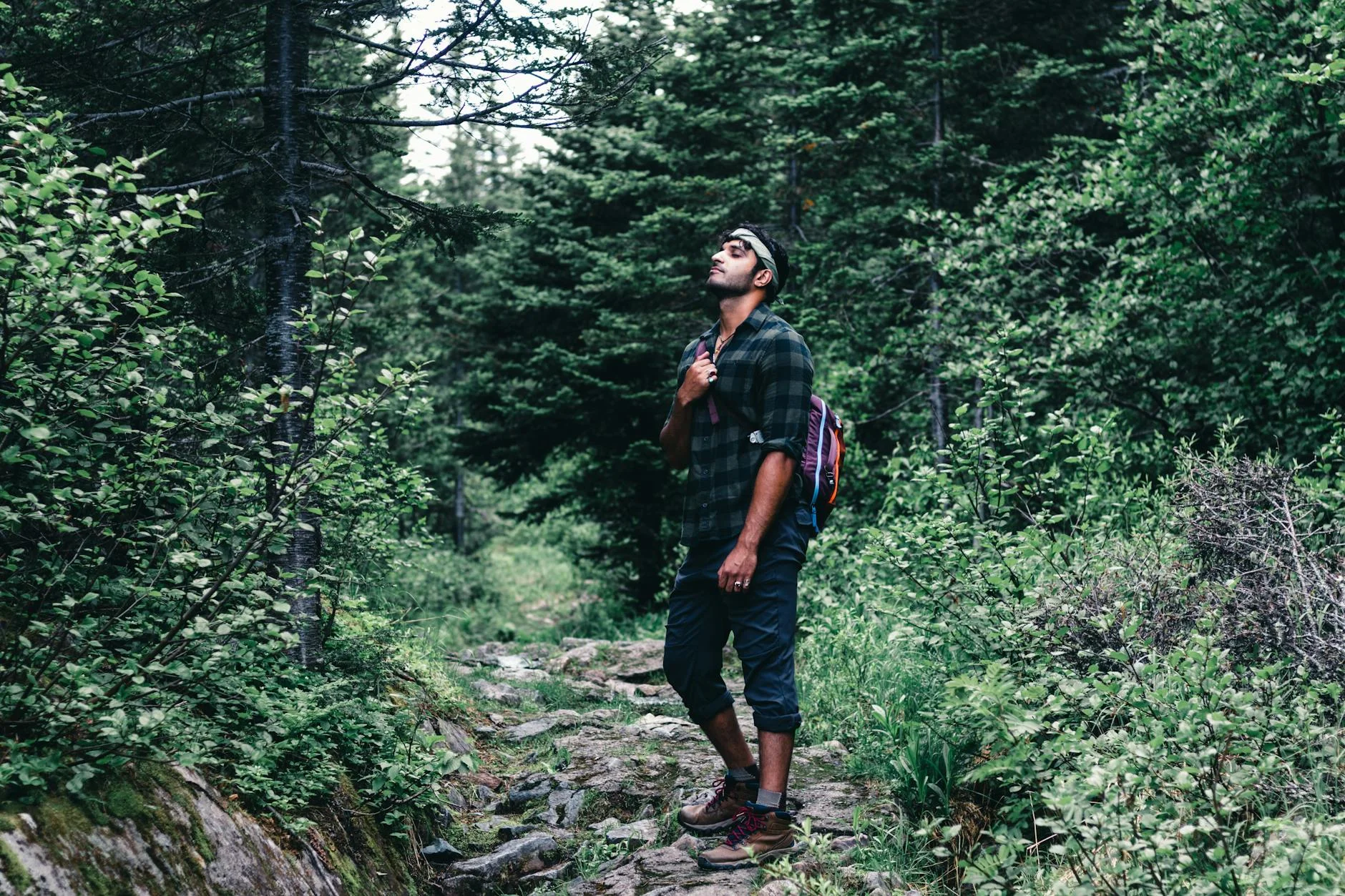
In cooler months, almost anything works as a hiking shirt. Cotton, synthetic, old flannel — it all functions when you’re not soaking it through with sweat.
Summer is different.
Cotton absorbs moisture and holds it. Once you’re sweating hard, a cotton tee stops regulating your temperature and just stays wet and heavy against your skin, turning a manageable afternoon into something you want to end as soon as the parking lot comes back into view. On a 90-degree day in Shenandoah or anywhere along the Blue Ridge in North Carolina, that matters. Chafing gets worse. The shirt clings. And if a storm rolls through and the temperature drops, you’re soaking wet with no way to dry off.
Synthetic fabrics wick moisture away from your skin and dry fast. Merino wool does the same with the bonus of resisting odor better. Either works for summer hiking. I reach for synthetic more than merino in the heat because it tends to be lighter and cheaper to replace when it gets trashed on a scramble.
The difference isn’t subtle. Fabric matters. On back-to-back hot-weather hikes, the shirt choice alone determines how good or miserable the second half of the hike feels.
What Should You Wear on Top for a Hot-Weather Hike?

A moisture-wicking t-shirt covers most situations. Lightweight, breathable, synthetic or merino. You don’t need anything technical or expensive — an old running shirt works fine for most summer day hikes.
Where it gets worth thinking through is on longer hikes or exposed ridges. For anything over 8 miles in July or August, I’ll often bring a lightweight long-sleeve shirt to throw on if the sun gets relentless. Sun fatigue is real. After four hours of direct exposure, your shoulders and neck start to feel it even without a visible burn. A thin synthetic long-sleeve blocks that without trapping much heat.
For big exposed hikes, a sun layer makes a meaningful difference in how you feel by mile 6. Breakneck Ridge in New York has long open sections above the Hudson. The rocky terrain above treeline in New Hampshire bakes you even at altitude. On hikes like these, that sun shirt earns its keep.
Don’t bother with a dedicated base layer in summer. The hiking shirt is the base layer. Period. If you’re doing a high-alpine hike where the summit is significantly cooler than the trailhead, pack a lightweight fleece in your bag. But don’t wear it on the way up.
Are Shorts or Pants the Right Call?
For most summer hikes: shorts. Full stop.
The exception is brush. On trails with heavy overgrowth or tall grass — which you’ll encounter on plenty of mid-Atlantic trails, especially in late summer — pants protect you from scratches and reduce tick exposure. That’s not a small thing in Virginia and North Carolina where tick season runs well into October.
Convertible zip-off pants exist for this middle ground. I’ve used them. They’re not my favorite because the zip-off section leaves a weird gap at the thigh and the fabric is usually heavier than proper shorts. But on a hike where you’re starting in cooler mountain air and hitting overgrown sections mid-route, they solve a real problem.
For most summer day hikes, athletic or hiking shorts in the 7-9 inch inseam range handle everything. Quick-dry fabric, a built-in liner, enough pocket space for your phone and a snack. That’s the whole checklist.
How Do You Handle the Sun on an Exposed Trail?
East Coast summers mean exposed ridgelines and open balds with zero shade. Long rock scrambles bake you. The views are worth it. Your skin disagrees.
Sunscreen is the baseline. SPF 30 minimum, applied before you start and reapplied at lunch. Don’t forget the back of your neck and the tops of your ears. Your forearms too, if you’re in a t-shirt. Those are the spots that get missed.
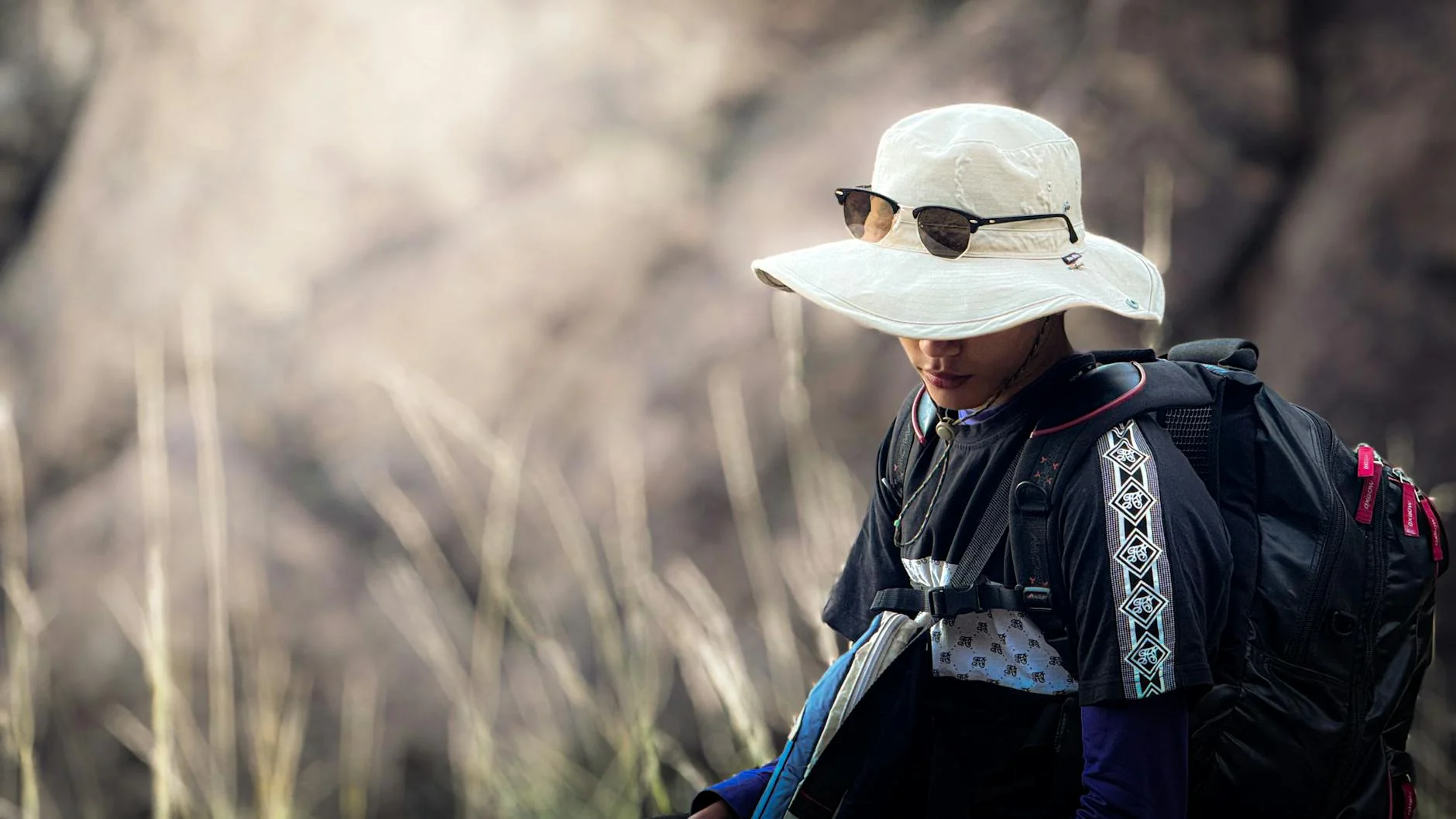
A sun hat does more work than sunscreen for the face and neck. I use a wide-brim hat for full-sun hikes and a baseball cap for shaded trails. The wide brim is noticeably better on exposed ridges. Franconia Ridge in New Hampshire has miles of above-treeline exposure — a wide-brim hat earns its place in the pack for hikes like that.
Sunglasses aren’t optional on a summer ridge hike. Bring them. Polarized lenses cut glare off rocks and water, and after a few hours squinting on an exposed traverse you’ll understand why every ridge regular has a pair clipped to their pack strap.
What Socks and Footwear Actually Make a Difference?
Blisters in summer are worse than blisters in spring. Way worse. Sweat softens skin. Heat swells your feet. The combination means a poorly fitted shoe or wrong sock creates problems faster on a hot day than it would in October, and by the time you notice the hot spot forming on the back of your heel it’s already too late to tape it.
Merino wool hiking socks stay my recommendation even in summer. Not cotton, not thin athletic socks. Merino regulates temperature better than synthetic and wicks moisture without feeling as hot as you’d expect. Darn Tough and Wigwam are brands I’ve worn for years without complaints. Try it once on a long hot hike and you’ll stop questioning wool in summer.
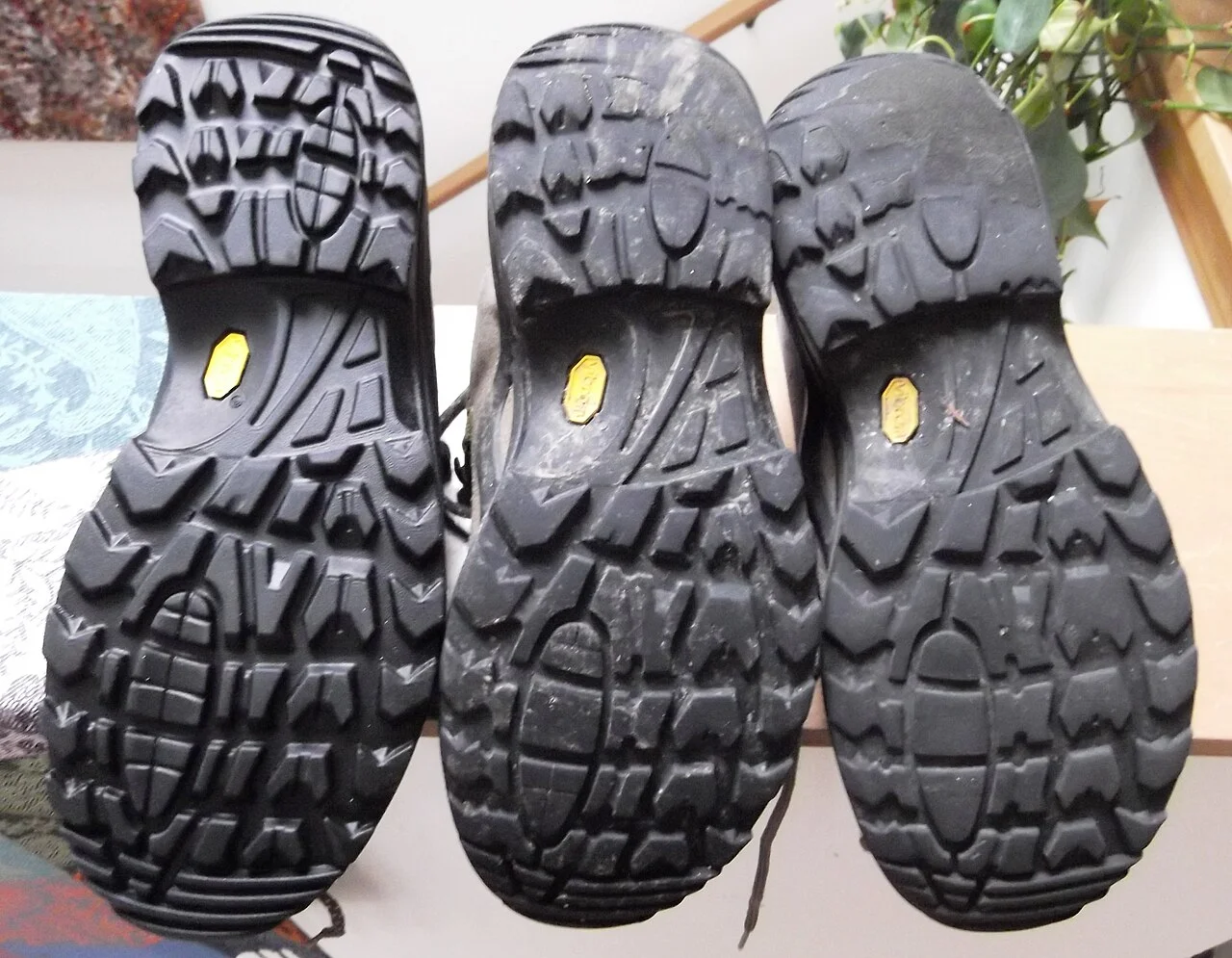
On footwear: trail runners handle most East Coast summer day hikes better than boots. Lighter, better ventilated, faster-drying after a stream crossing or a rain shower. I switched to trail runners for anything without heavy pack weight a few years back and haven’t gone back. For scramble-heavy terrain like Breakneck or Old Rag, boots still offer better ankle support and sole grip on wet rock. Standard trail hiking in summer — trail runners win.
Go half a size up from your normal shoe size for long hikes. Feet swell in heat. Tight shoes at mile 12 of a hot day are a problem you don’t want to discover at the trailhead.
What Else Should You Pack for a Hot-Weather Hike?
Clothing covers the base. But a few extras pull real weight on summer hikes — the kind of things you forget once and never forget again.
A lightweight rain jacket. East Coast summer afternoons are famously unpredictable. A storm can build over the Blue Ridge in twenty minutes and drop an inch of rain before clearing. You don’t need a heavy waterproof shell — a packable jacket under 10 ounces handles it. Shove it in the bottom of the pack and forget it until you need it.
A buff or neck gaiter. Sounds counterintuitive in summer, but a thin buff soaked in cold water and worn around the neck drops your perceived temperature fast. Game changer. On exposed ridges in high humidity, this is one of the more effective cooling tricks I’ve found after years of experimenting with everything from cooling towels to pouring water straight over my head at stream crossings. Takes up no space. Weighs nothing.
For the full kit beyond clothing, check out what to bring on a day hike. Summer hiking specifically adds water needs. Most people underestimate how much they need in heat and humidity. Figure out what you’d normally bring and add a liter.
For a broader look at the layering framework across all seasons, what to wear hiking covers the full system in more depth.
Does Your Clothing Choice Change for Longer Hikes?
It does.
Chafing becomes a real issue on hikes over 10 miles. If your shorts or shirt are going to rub somewhere, they will. Moisture and time make it worse. Anti-chafe balm applied before longer hikes prevents most of it. Compression shorts as a liner under hiking shorts also help on routes with a lot of descent.
Temperature swings matter more on big days. In Virginia and the Carolinas, a summer summit can be 15 degrees cooler than the trailhead. In New England, that gap widens. If you’re doing something with 4,000-plus feet of elevation gain and the forecast shows any chance of afternoon thunderstorms building along the ridgeline, build a light insulating layer into your pack. You’ll probably never wear it. But the one time you’re stuck waiting out a summit storm, you’ll care.
The general principle: the more miles and vertical you’re doing, the more it’s worth thinking through your full kit rather than grabbing whatever’s clean off the pile.
FAQ: What to Wear Hiking in Summer
Can you wear cotton on a summer hike?
You can, but you’ll feel it. Cotton absorbs sweat and stays wet, which increases chafing and makes temperature regulation harder. On short or easy hikes in mild conditions it won’t ruin your day. On anything strenuous or over 5 miles in real summer heat, swap it for synthetic or merino.
What’s the best color to wear hiking in summer?
Light colors reflect sunlight and stay cooler in direct exposure. Gray and light blue work well. Dark colors absorb more heat on exposed ridges. But honestly? Fabric and fit matter more than color. A well-vented synthetic in dark gray beats a baggy white cotton tee every single time, which is something I learned the hard way after buying a cheap oversized white shirt specifically for a summer hike and spending the whole day adjusting it while my buddy in a fitted dark gray running shirt had zero issues.
Do you need special hiking clothes, or will athletic wear work?
Athletic wear works fine. Running shorts, moisture-wicking gym shirts, athletic socks — if they’re already synthetic and fit well, they’re adequate for most day hikes. Dedicated hiking clothes have more pockets and more durable fabric, but they’re not required to have a good day on the trail.
How do you stay cool hiking in extreme heat?
Start early. Most of the Mid-Atlantic and Southeast gets brutal above 85 degrees, and the difference between a 7am start and a 10am start is significant. Bring more water than you think you need, wear a sun hat, use a wet buff around your neck on exposed sections, and pick shaded trails when possible. A 90-degree June day on a forested Virginia trail is much more manageable than the same conditions on an open North Carolina bald.
What should you wear hiking in humid summer conditions?
Fast-drying fabrics. That’s it. In high humidity, sweat doesn’t evaporate as efficiently, so the cooling effect of moisture-wicking fabric is reduced — you’ll feel wet regardless of what you’re wearing, which is just the reality of hiking in 80% humidity along the coast or through the river valleys of Virginia and the Carolinas in July and August. The goal shifts to minimizing chafing and keeping the fabric light. Loose-fit synthetics handle humidity better than tight, heavy-weave fabrics. So does merino.
Frequently Asked Questions
Can you wear cotton on a summer hike?
You can, but you'll feel it. Cotton absorbs sweat and stays wet, which increases chafing and makes temperature regulation harder. On short or easy hikes in mild conditions it won't ruin your day. On anything strenuous or over 5 miles in real summer heat, swap it for synthetic or merino.
What's the best color to wear hiking in summer?
Light colors reflect sunlight and stay cooler in direct exposure. Gray and light blue are solid choices. Dark colors absorb more heat on exposed ridges. That said, fabric and fit matter more than color u2014 a well-vented synthetic in dark gray beats a baggy white cotton tee every time.
Do you need special hiking clothes, or will athletic wear work?
Athletic wear works fine. Running shorts, moisture-wicking gym shirts, athletic socks u2014 if they're already synthetic and fit well, they're adequate for most day hikes. Dedicated hiking clothes have more pockets and more durable fabric, but they're not required.
How do you stay cool hiking in extreme heat?
Start early. Most of the Mid-Atlantic and Southeast gets brutal above 85 degrees, and the difference between a 7am start and a 10am start is significant. Bring more water than you think you need, wear a sun hat, use a wet buff around your neck on exposed sections, and pick shaded trails when possible.
What should you wear hiking in humid summer conditions?
Prioritize fast-drying fabrics above everything else. In high humidity, sweat doesn't evaporate as efficiently, so the cooling effect of moisture-wicking fabric is reduced. The goal shifts to minimizing chafing and keeping the fabric light. Loose-fit synthetics and merino handle humidity better than tight, heavy-weave fabrics.