
Big Slide Mountain — The Brothers Trail, Adirondack High Peaks
Photo: Wikimedia Commons
(CC via Wikimedia)
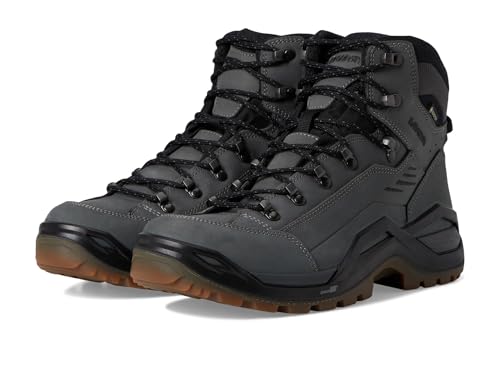 LOWA Renegade EVO GTX MidGORE-TEX, 3 widths, resolableCheck price on Amazon →
 Hydro Flask Wide Mouth 32ozinsulated, durableCheck price on Amazon →
 Osprey Talon 22ventilated back, pole carryCheck price on Amazon →
 Adventure Medical Kits Ultralight Watertight .7day-hike specific, waterproofCheck price on Amazon →
 Black Diamond Spot 400-Rrechargeable, comfortableCheck price on Amazon →
Big Slide via The Brothers at a glance: A roughly 9-mile round trip to a 4,240-foot Adirondack High Peak from the Garden trailhead in Keene Valley, climbing about 2,600 feet over the three Brothers to a summit slab with a wide view of the Great Range. Rated Strenuous, dog-friendly, and among the most popular “first High Peak” routes. Plan on 8 hours, early parking, and mud.
Big Slide via The Brothers is the route hikers most often recommend for a first Adirondack High Peak, and the reasoning holds up. The Brothers Trail out of Keene Valley climbs a logical staircase of open ledges, each one a little higher than the last, before the final pitch to a 4,240-foot summit with an unobstructed view across the Great Range. It is a real day out at about 9 miles and 2,600 feet of gain, but the scrambling stays fun rather than frightening, which is exactly what makes it the entry point so many hikers choose.
The route starts at the Garden trailhead in Keene Valley and climbs steadily onto the first of the three Brothers, a series of subsidiary summits that step up the ridge toward Big Slide. The Brothers are the character of this hike: each is an open rock knob with progressively wider views of Giant, the Great Range, and the valley below, so the payoff comes in installments rather than all at the end. Hikers consistently describe the Brothers as the highlight, and the short scramble sections between them involve using hands in a few spots without ever becoming exposed or sustained.
Past the third Brother the trail dips and then makes the final climb to the Big Slide summit, where a large open slab looks out over the Great Range from Roostercomb toward Marcy. This is the view that does the recruiting for the other 45 High Peaks. Many hikers return the way they came over the Brothers, while others descend the back side toward the John’s Brook valley and the Slide Mountain Brook trail to make a loop, trading the ledge views of the Brothers for a longer, gentler forest walk out.
The one condition to plan around is mud. Hikers consistently report boggy, churned-up footing on the lower and middle sections, especially after rain and through the shoulder seasons, and downed trees across the trail turn up often enough to mention. None of it is dangerous, but it slows the pace and argues for waterproof footwear and a willingness to walk through the muck rather than around it, which only widens the trail.
Strenuous, mostly on account of the numbers. The roughly 9 miles and 2,600 feet of gain add up to a full day, and most hikers budget around 8 hours car to car. That said, it is technically more approachable than the Dix Range, the Great Range traverse, or the slide routes that define the harder end of the High Peaks. The scrambles on the Brothers are the kind you enjoy rather than dread, and there is no serious exposure anywhere on the standard route.
Conditions are what move the difficulty around. In the shoulder seasons snow and ice linger high on the mountain well after the valley has thawed, and hikers consistently note the need for traction underfoot into spring. Summer brings mud and bugs; the black flies and mosquitoes can be fierce in June. Dogs handle the route well and are a common sight, though the scramble ledges and the length make it a real outing for them too. Come in fit, start early, and the mountain rewards it.
September through mid-October is the window hikers point to again and again. The bugs are gone, the footing is at its driest, and the Great Range shows fall color from the summit slab. It is also the busiest stretch, so an early start matters as much for parking as for daylight.
Spring mud season, roughly April into May, is the time to avoid, when the lower Brothers turn to a churned mess and the High Peaks region asks hikers to stay off soft trails to limit erosion. Winter is a serious undertaking here rather than a casual one, demanding full snow-travel gear and experience. Whenever you go, treat this as an early-morning hike: the trailhead parking and the 8-hour day both reward beating the crowd.
Parking is the logistical catch. The Garden trailhead lot is small and charges a daily fee, and hikers consistently report it filling by around 8 AM on summer and fall weekends. When it is full, an overflow lot in Keene Valley adds distance to the approach, and in peak season a shuttle sometimes runs from town to the trailhead, so check the current arrangement before driving in. Arriving by 7 AM is the reliable way to park at the Garden itself.
Keene Valley, ten minutes away, has food, gas, and an outfitter for anything you forgot. This is a destination trip for anyone coming from the mid-Atlantic, on the order of six to seven hours from the DC area, so most hikers build it into a weekend rather than a day trip. Bring more water than a 9-mile day suggests, waterproof boots for the mud, bug protection in early summer, and traction in the shoulder seasons. Cell service is unreliable on the mountain.
Big Slide is the High Peak hikers send first-timers to, and the consensus is that it earns the reputation. The combination of the staircase views on the Brothers, the manageable scrambling, and the big summit payoff makes it feel like a proper Adirondack peak without the commitment of the range’s harder routes. Hikers consistently rate the Great Range view from the summit slab as the standout, and many describe it as the hike that got them started on the 46.
One recurring note is worth passing along: despite the name, there is no slide to descend, and a few first-timers arrive expecting one. The mountain is named for the old rockslide scar on its flank, visible from across the valley, not for anything you ride down. Set up for a strenuous day with an early parking scramble and some mud, and Big Slide delivers one of the friendliest introductions to the High Peaks the Adirondacks offer.
LOWA Renegade EVO GTX MidGORE-TEX, 3 widths, resolableCheck price on Amazon →Hydro Flask Wide Mouth 32ozinsulated, durableCheck price on Amazon →Osprey Talon 22ventilated back, pole carryCheck price on Amazon →Adventure Medical Kits Ultralight Watertight .7day-hike specific, waterproofCheck price on Amazon →Black Diamond Spot 400-Rrechargeable, comfortableCheck price on Amazon → Patagonia Torrentshell 3L Jacketdurable, trail + everydayCheck price on Amazon →
 Darn Tough Hiker Micro Crew Midweightlifetime warrantyCheck price on Amazon →
 Black Diamond Pursuit Trekking Polescork grip, lightweightCheck price on Amazon →
 Sawyer Squeeze Water Filterultralight, standard threadsCheck price on Amazon →


