
Flume Gorge — Franconia Notch State Park
Photo: EgorovaSvetlana
(CC via Wikimedia)
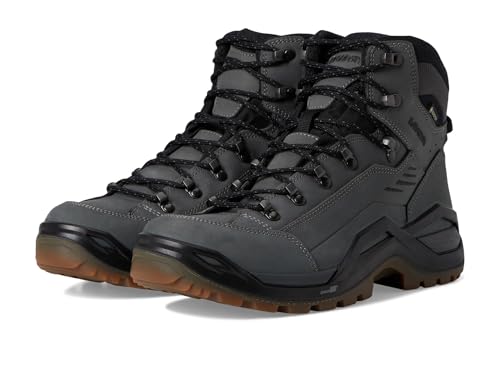 LOWA Renegade EVO GTX MidGORE-TEX, 3 widths, resolableCheck price on Amazon →
 Hydro Flask Wide Mouth 32ozinsulated, durableCheck price on Amazon →
 Osprey Talon 22ventilated back, pole carryCheck price on Amazon →
 Adventure Medical Kits Ultralight Watertight .7day-hike specific, waterproofCheck price on Amazon →
 Black Diamond Spot 400-Rrechargeable, comfortableCheck price on Amazon →
Flume Gorge at a glance: A 2-mile loop in Franconia Notch State Park that threads a boardwalk through an 800-foot granite gorge past waterfalls and covered bridges. It is short but rated moderate thanks to a long run of stairs through the gorge. This is a paid, ticketed state attraction with a seasonal boardwalk, so reserve a timed entry in advance, go early to beat the crowds, and plan for May through October, since the gorge boardwalk comes down for winter.
Flume Gorge is one of New Hampshire’s signature natural attractions, and its enormous review count reflects that: this is a bucket-list stop for visitors to Franconia Notch as much as a hike. The 2-mile loop carries you on a boardwalk built into a narrow granite gorge, past a rushing brook, waterfalls, and historic covered bridges. Hikers and sightseers alike rate it extremely highly, with the main caveats being logistical rather than about the trail itself: it costs money, it requires planning, and it gets busy.
The loop begins at the visitor center and works its way up toward the gorge, passing the Flume Covered Bridge, one of the oldest in the state, along the way. The centerpiece is the gorge itself, where a wooden boardwalk climbs between sheer granite walls that rise as much as 70 to 90 feet on either side, with Flume Brook tumbling alongside and Avalanche Falls pouring through at the top. The sensation of walking a narrow wooden staircase up through a slot in the bedrock is what makes this place unforgettable.
Beyond the gorge the loop continues past more natural features on its way back, including the Pool, a deep basin in the Pemigewasset River, and the Sentinel Pine Covered Bridge that spans it. Along the way you pass glacial boulders and side features such as Liberty Gorge and Table Rock, and a short boulder passage known as the Wolf’s Den that adventurous kids love to crawl through. The return leg is a gentler forest walk that rounds out the loop, and interpretive signs throughout explain the geology and history, which turns the walk into an easy, self-guided introduction to how the gorge formed.
Because the whole loop is only about two miles, most people complete it in around an hour of walking, though the photo stops and crowds can stretch that considerably on a busy day. It is a walk built for a wide range of visitors, from families to casual sightseers, rather than a demanding hike.
The trail earns its moderate rating not from distance but from stairs. The boardwalk through the gorge is a sustained climb up wooden steps, and while it is short, the continuous stairs give it more of a workout than the two-mile figure suggests. Visitors with knee issues or limited mobility should know that the gorge section is not flat and not fully accessible, though the lower portions near the visitor center are gentler.
Conditions are generally excellent because the boardwalk is well maintained, but the surfaces can be wet and slippery from the constant spray and rain, so shoes with grip help. In practice the difficulty here is comfortably within reach of most people willing to climb a lot of stairs, and the payoff for that effort is immediate and continuous the whole way up the gorge.
The gorge is a warm-season experience, best from May through October when the boardwalk is installed and the attraction is fully open. Late spring and early summer bring the highest, most dramatic water flow through the flume, while fall pairs the gorge with Franconia Notch’s famous foliage for the busiest and most scenic stretch of the year.
Winter changes the place entirely. The gorge boardwalk is removed for the cold months, and the area shifts to a free, self-guided walk that does not include the full flume experience, sometimes on snowshoes. If seeing the boardwalk climb through the gorge is the goal, a winter visit will disappoint, so save it for the open season. Whatever the timing, an early-morning arrival is the single best way to enjoy the gorge before the crowds build.
Plan the ticket first. Flume Gorge is a paid state park attraction, and timed-entry reservations are strongly recommended and sometimes required, since walk-up availability can sell out on busy days. Booking a morning slot online in advance solves both the entry and the crowd problem in one step, and it is the piece first-time visitors most often wish they had sorted out ahead of time.
Dogs are not allowed during the paid season, which surprises many visitors, so leave pets at home. The visitor center has restrooms, parking, and a large lot, and the loop is one-directional to keep foot traffic moving through the narrow gorge. Wear comfortable shoes with grip for the wet stairs, and bring a layer, as the gorge stays cool and damp even on warm days.
Flume Gorge sits right in Franconia Notch near Lincoln, in the heart of the White Mountains, which makes it easy to combine with other stops in the notch. Many visitors pair it with a scenic drive or a nearby overlook to build a full day, treating the gorge as the highlight rather than a standalone outing.
Flume Gorge earns near-universal praise from the enormous number of people who visit, with the large majority rating it well worth the ticket and singling out the boardwalk climb through the gorge as the highlight. The recurring advice is entirely practical: reserve a timed entry, arrive early to beat the crowds, and expect a lot of stairs rather than a flat stroll.
That is the honest summary of this White Mountains classic. It is short, it is paid, and it is genuinely spectacular, which is exactly why it draws the crowds it does. Book ahead, go early in the open season, and Flume Gorge delivers a short walk you will not soon forget in the heart of the White Mountains.
LOWA Renegade EVO GTX MidGORE-TEX, 3 widths, resolableCheck price on Amazon →Hydro Flask Wide Mouth 32ozinsulated, durableCheck price on Amazon →Osprey Talon 22ventilated back, pole carryCheck price on Amazon →Adventure Medical Kits Ultralight Watertight .7day-hike specific, waterproofCheck price on Amazon →Black Diamond Spot 400-Rrechargeable, comfortableCheck price on Amazon → Patagonia Torrentshell 3L Jacketdurable, trail + everydayCheck price on Amazon →
 Darn Tough Hiker Micro Crew Midweightlifetime warrantyCheck price on Amazon →
 Black Diamond Pursuit Trekking Polescork grip, lightweightCheck price on Amazon →
 Sawyer Squeeze Water Filterultralight, standard threadsCheck price on Amazon →


