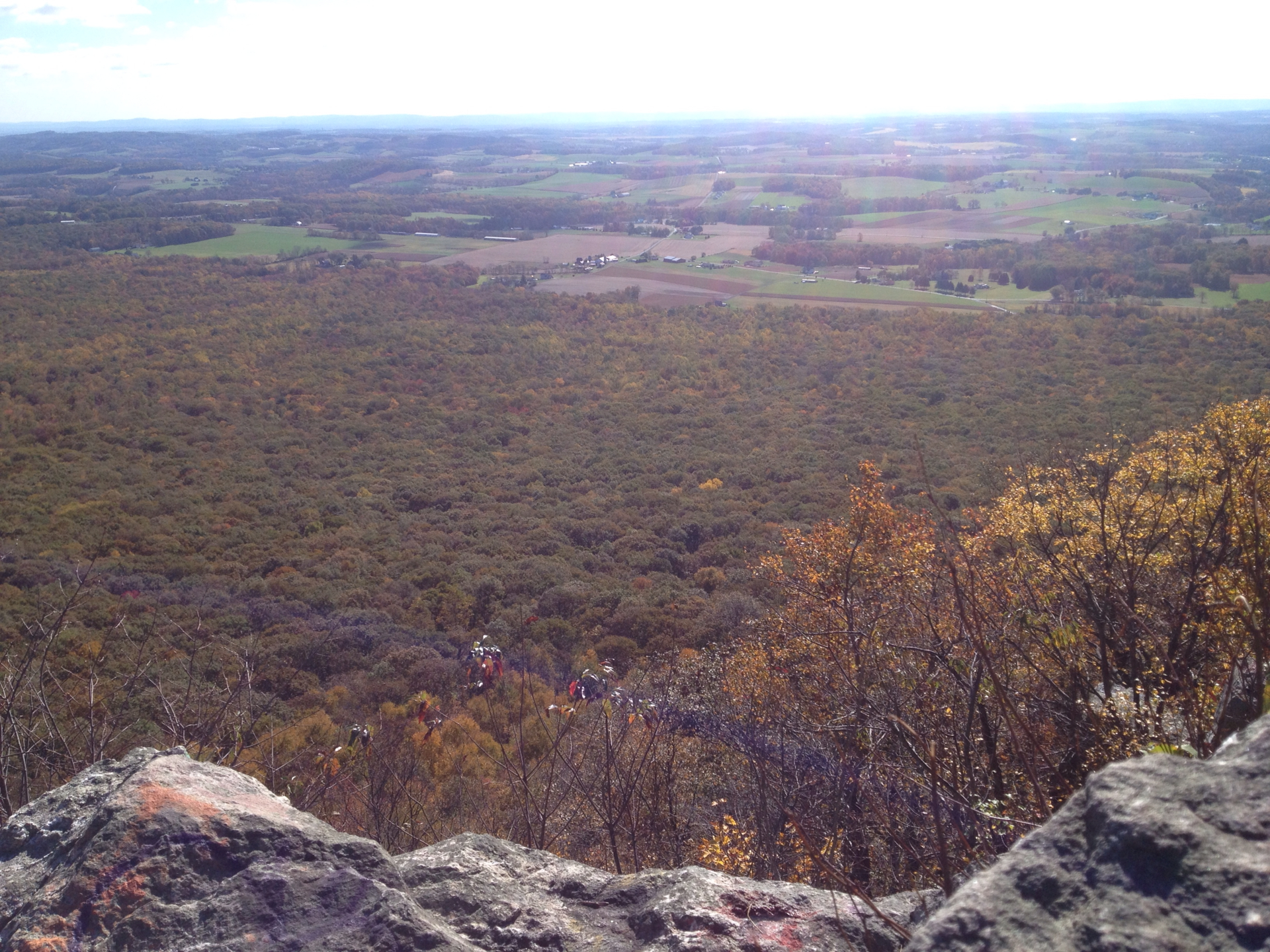
Hawk Mountain
Photo: Zeete
(CC via Wikimedia)
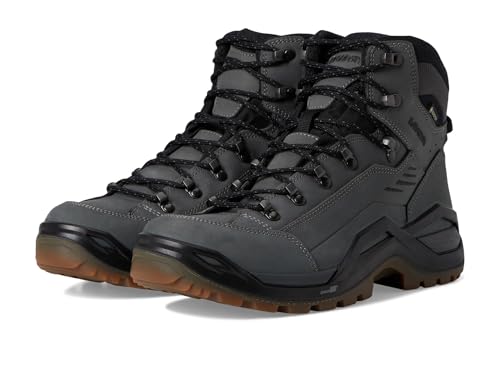 LOWA Renegade EVO GTX MidGORE-TEX, 3 widths, resolableCheck price on Amazon →
 Hydro Flask Wide Mouth 32ozinsulated, durableCheck price on Amazon →
 Osprey Talon 22ventilated back, pole carryCheck price on Amazon →
 Adventure Medical Kits Ultralight Watertight .7day-hike specific, waterproofCheck price on Amazon →
 Black Diamond Spot 400-Rrechargeable, comfortableCheck price on Amazon →
Hawk Mountain at a glance: Two very different outings share this famous sanctuary. The lookout walk is a short, rocky out-and-back to the raptor-watching platforms where fall migration passes at eye level. The full 5.4-mile loop is a legitimately challenging circuit that descends to a giant boulder field called the River of Rocks and scrambles back up the Skyline Trail. Admission is charged, dogs are not allowed, and during September and October the parking lot is the hardest part of the day.
Hawk Mountain Sanctuary is a raptor observatory first, a hiking destination second, and world-famous at the first job: since 1934 this stretch of the Kittatinny Ridge has hosted the count that helped invent modern raptor conservation. The geography funnels migrating hawks, eagles and falcons along the ridge every fall, often below eye level from the North Lookout. What the sanctuary’s fame undersells is the hiking — the full loop holds a 4.8 rating from more than 3,700 hikers, and it is nobody’s nature walk.
The short version first. From the visitor center, the South Lookout arrives in about ten minutes on an easy path, and the North Lookout adds another twenty to thirty minutes on rocky, rooted trail across the ridge — real footing, but manageable for most, with some bouldering right before the platform. During migration this out-and-back is the whole point: the North Lookout sits at ridge height where thermals carry the birds past at conversational distance, and volunteer counters call species as they pass.
The full Hawk Mountain Loop is a different animal, and the visitor-center staff steer strong hikers onto it for good reason. The circuit drops roughly 700 to 800 feet off the ridge into the valley, where the River of Rocks waits: a mile-long glacial boulder field pouring through the forest like a stone glacier, crossed rock-to-rock with no soil in sight. Reviewers report the boulder stretch alone taking half an hour or more of concentrated hopping, buggy and webbed in summer mornings, and worth every minute.
The return is the crux. The Skyline Trail climbs back to the ridge over a series of genuine rock scrambles — vertical enough in spots that hands are mandatory and short people improvise — before rejoining the lookouts. The whole loop runs about 5.4 miles and hikes bigger than that number. It is well-blazed throughout, and the standard advice from reviews holds: take the River of Rocks down first and the Skyline up, ending with the North Lookout as the reward.
The lookout out-and-back is easy-to-moderate: under 40 minutes of walking with rocky footing that surprises visitors expecting pavement, which is exactly why the sanctuary recommends proper shoes past the South Lookout. Families do it constantly; sneakers regret it in the wet months and survive it otherwise. Ice pushes it into spikes territory in winter.
The full loop earns its challenging rating honestly — several reviewers argue for moderate-to-hard, none argue for easy. Between the sustained boulder-hopping in the valley and the vertical scrambles on the Skyline, this is a hike for people comfortable using their hands, in real boots, with more water than 5.4 miles usually demands. It is not dangerous in dry conditions; it is slow, physical and enormously satisfying. Wet rock changes that calculus, and the smart move after rain is the lookouts only.
Fall migration is the reason the sanctuary exists. From late August through November raptors stream down the ridge — broad-winged hawks by the thousands in mid-September kettles, then red-tails, sharp-shins, ospreys, falcons and golden eagles as the season turns. The sanctuary posts daily counts online, so you can check what is flying before you drive. The cost of the spectacle is company: October weekends fill the lot by mid-morning, and arriving before 9 is the difference between hiking and idling.
The other seasons are the sleeper picks for the loop itself. Winter weekdays offer the ridge nearly alone with the year’s longest sightlines, spring brings migration’s quieter northbound echo plus mountain laurel in June, and summer works for early starts despite bugs and spider webs in the valley — the River of Rocks does not care what month it is. Poison ivy edges the sunnier stretches, including parts of the Skyline, so long pants earn their keep.
The sanctuary sits on Hawk Mountain Road near Kempton, about 90 minutes from Philadelphia and 30 from Allentown. This is a private nonprofit preserve, not a park: admission runs roughly $10 to $15 per adult depending on season, members enter free, and the fee directly funds the count and research that made the place famous. The visitor center anchors the trailhead with restrooms, water, a gift shop stocked with optics, and staff who give genuinely good routing advice.
The rules reflect the mission. Dogs are not allowed anywhere in the sanctuary. Picnicking, climbing and drones are out; this is managed habitat, and enforcement is polite but real. Bring binoculars during migration — identification without them is possible, but the experience transforms with a decent pair, and loaners or purchases are available at the center.
Combine wisely and the day gets better. The Pinnacle and Pulpit Rock, the region’s other marquee ridge hike, launches from Hamburg fifteen minutes away, and ambitious hikers link Hawk Mountain’s lookouts with an AT ridge day. But during peak migration, the right plan is simpler: arrive early, walk to the North Lookout, and let the birds do the hiking.
A 4.8 from 3,700-plus hikers is among the highest ratings in Pennsylvania, and the reviews split into two happy genres: birders describing kettles of broad-wings boiling up out of a blue October sky, and hikers startled that the loop fought back. The River of Rocks and the Skyline scrambles draw the most vivid writing, and the visitor-center advice to descend via the boulder field gets repeated like folklore.
The cautions are worth taking seriously — this is not an easy trail, wear boots, bring water, skip the loop on wet rock, and get there early in October. What nobody disputes is the value: for one modest admission, Hawk Mountain delivers a world-class wildlife spectacle and one of the region’s best physical hikes from the same parking lot. Few places anywhere stack both.
LOWA Renegade EVO GTX MidGORE-TEX, 3 widths, resolableCheck price on Amazon →Hydro Flask Wide Mouth 32ozinsulated, durableCheck price on Amazon →Osprey Talon 22ventilated back, pole carryCheck price on Amazon →Adventure Medical Kits Ultralight Watertight .7day-hike specific, waterproofCheck price on Amazon →Black Diamond Spot 400-Rrechargeable, comfortableCheck price on Amazon → Patagonia Torrentshell 3L Jacketdurable, trail + everydayCheck price on Amazon →
 Darn Tough Hiker Micro Crew Midweightlifetime warrantyCheck price on Amazon →
 Black Diamond Pursuit Trekking Polescork grip, lightweightCheck price on Amazon →
 Sawyer Squeeze Water Filterultralight, standard threadsCheck price on Amazon →