I showed up to Shenandoah in a cotton t-shirt once. Mid-October, 58 degrees at the trailhead. I figured it would warm up. By mile 4 it was raining, the wind picked up on the ridge, and I spent the last two hours moving fast just to stay warm. Second year hiking. Made every beginner mistake there was.
I don’t repeat that one anymore. But I watch people make it constantly, on Breakneck Ridge, on the AT through Virginia, on every crowded fall trail from Georgia to Maine. Getting the clothing right isn’t complicated. You just need to understand a few principles and stop treating trail clothes like regular outdoor clothes.
Start With What’s Next to Your Skin

The base layer is the one item worth spending real money on. Everything else can be improvised. The layer touching your skin cannot.
Cotton is the problem most beginners run into first. It absorbs sweat, holds moisture against your body, and when wet it pulls heat away fast. On a warm summer day with a 3-mile loop, this generally doesn’t matter much. On a longer hike, anywhere above treeline, or in fall and spring when temps swing 20-plus degrees from morning to afternoon, cotton can make you genuinely miserable.
Synthetic base layers, polyester or nylon blends, dry fast and wick sweat away from skin. Merino wool does both and resists odor better, which matters if you’re out for multiple days or running a shuttle. Either works. I reach for synthetics on short day hikes where I know I’ll be moving fast. Merino for longer days or anything where I won’t wash anything between mornings.
For the upper body: a lightweight long-sleeve base layer handles almost every condition. Push the sleeves up when it’s hot, roll them down when the temperature drops. For the lower body: moisture-wicking underwear does a lot of quiet work on 10-plus mile days. Anti-chafe fabric matters more as your mileage goes up.
Do You Need Actual Hiking Pants?
Dedicated hiking pants aren’t mandatory. They’re not just marketing either.
Regular jeans are heavy, don’t stretch, take forever to dry when wet, and on a cool day the denim holds cold against your legs. Athletic shorts work well in warm weather. But hiking pants, nylon or polyester blends with stretch panels, offer a combination of durability and comfort that general athletic wear usually doesn’t match on rough terrain. I wore running shorts on a summer scramble and came back with a dozen scrapes I could’ve avoided with lightweight trail pants.
What I wear depends entirely on conditions. For summer day hikes, running shorts are fine for most trails. For anything with significant bushwhacking, dense underbrush, or rocky scrambles, longer pants protect your legs without slowing you down. Leggings, actual hiking leggings, work great for cooler days and move well on technical terrain. Convertible zip-off pants have their fans. I find them a little bulky but useful if you genuinely can’t decide at the trailhead.
One thing to avoid: thick fleece-lined athletic pants on anything longer than a flat winter walk. They’re warm at first, don’t breathe, and you’ll overheat on the climb and then sit in damp fabric on the descent.
What Goes on Top for a Day Hike?
Above the base layer, think in terms of what you might need to add or remove mid-hike.
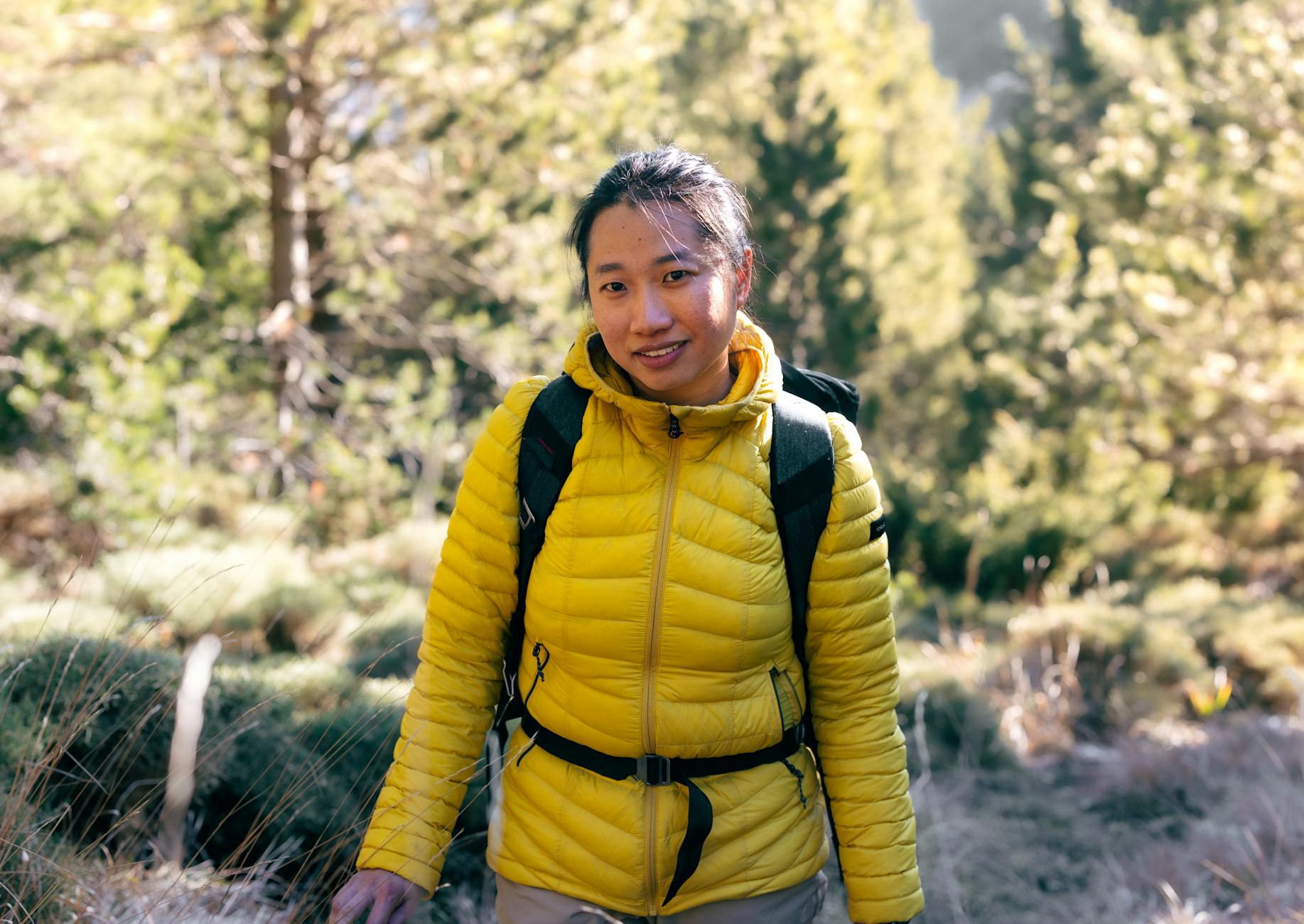
A mid-layer, fleece or a synthetic insulated jacket, handles warmth when you stop moving, gain elevation, or temps drop faster than forecast. On a fall East Coast hike, I usually don’t wear the mid-layer while moving. It’s always in my pack. Franconia Ridge in New Hampshire can run 15 degrees colder and 30 mph windier on the ridge than the parking lot in September. I’ve started hikes in a base layer t-shirt and needed a puffy on the summit two hours later.
Fleece is warm, breathes well, and dries quickly if it gets damp. Down compresses better and weighs less. Synthetic insulation performs better when wet. I carry a lightweight down jacket for most three-season day hikes and switch to synthetic for anything with serious rain exposure in the forecast.
For summer day hikes in the mid-Atlantic: a sun shirt, lightweight, long-sleeve, UPF-rated, over the base layer is worth considering. Keeps sun off your arms without adding real heat. Easier than reapplying sunscreen every two hours when you’re sweating.
Is a Rain Shell Actually Worth Carrying?
Short answer: yes, almost always. East Coast weather makes it non-negotiable more often than most people expect.
A rain jacket, hard shell or soft shell, is your outer layer when it’s wet or windy. It doesn’t have to be expensive. A basic waterproof-breathable shell does the job. What matters: it keeps rain out, lets sweat vapor escape, and packs small enough to clip to your pack or stuff in a side pocket.
Hard shells with fully waterproof membranes are better for sustained heavy rain. Soft shells offer more breathability but handle only light rain or wind. Most weekend hikers are fine with a soft shell for mid-Atlantic conditions, where storms generally roll through fast. For exposed ridgeline in the Whites or above treeline in Maine, I want a hard shell. No exceptions.
The mistake people make is leaving the jacket in the car because it looks sunny at 8am. Most of the New Hampshire hikes I’ve done above 4,000 feet have had afternoon weather that didn’t match the morning forecast. Pack the jacket. It weighs almost nothing folded into its own pocket.
What Does Shoulder Season Actually Demand?
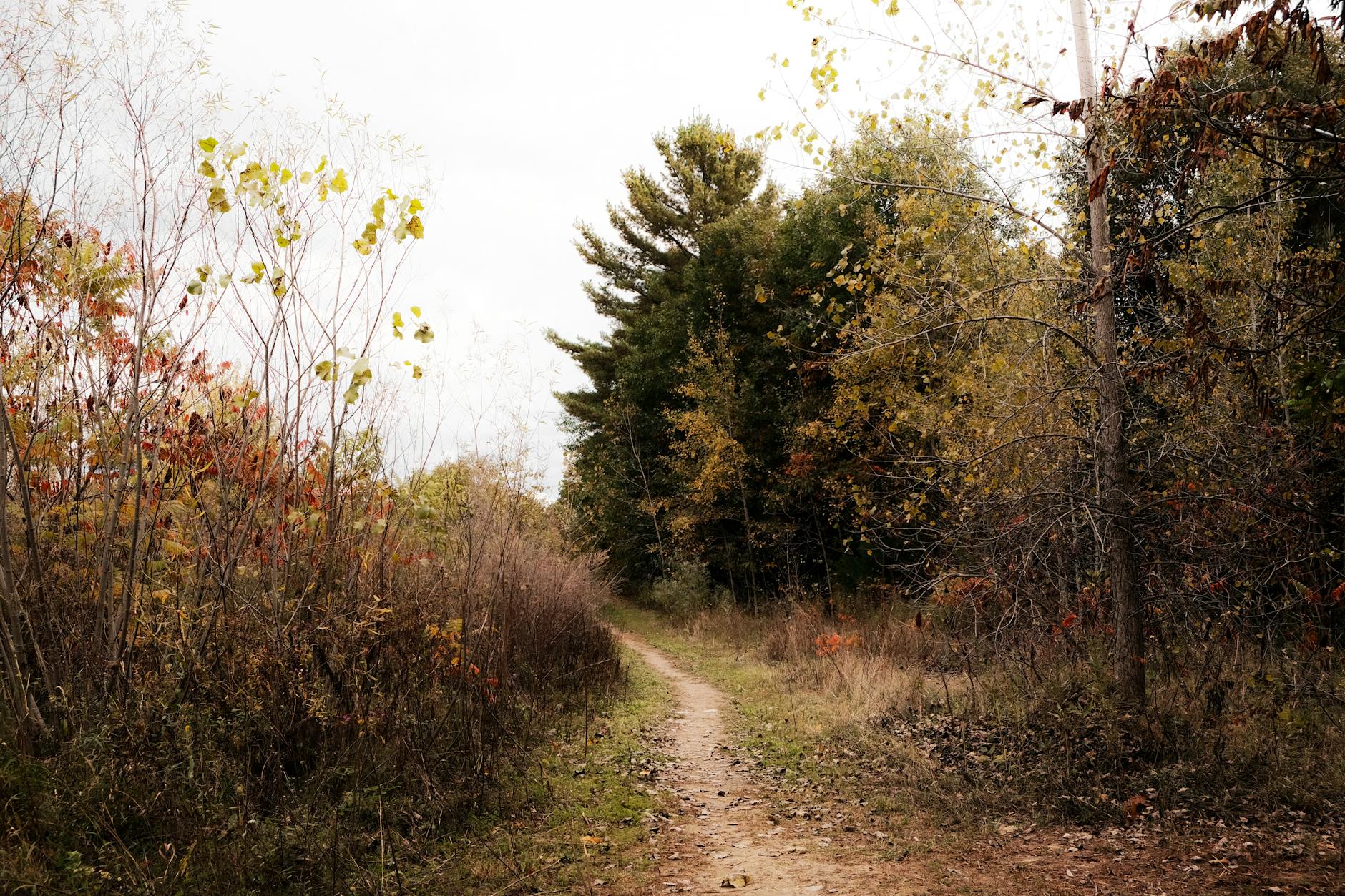
Spring and fall on the East Coast are the best hiking seasons. They’re also the ones that bite you if you dress for the forecast instead of the full range of the day.
Shoulder season means a 30-to-40 degree swing between morning and afternoon on longer hikes. It means rain turning to sleet above 4,000 feet in October. You start hiking in a mid-layer, end up in a base layer by the second mile, need the mid-layer again on the summit, and want the rain shell on the descent when the wind picks up. I’ve layered on and off four or five times in a single day on big elevation hikes in October.
What that means practically:
Base layer: always. A moisture-wicking long-sleeve regardless of how warm the forecast looks.
Mid-layer: in your pack even if you don’t wear it for 90% of the hike.
Rain shell: in your pack from September through May, no exceptions.
I lean toward pants over shorts in spring and fall. If it warms up, you can strip down to leggings underneath. On the feet: waterproof hiking boots make more sense in shoulder season than trail runners unless you know the specific trail conditions well. Wet leaves and cold mud change the calculus fast.
For a full breakdown of what to bring beyond clothing on longer shoulder-season days, the day hike packing list is worth reading alongside this.
How Do You Dress Differently for Winter Hiking?
Cold weather changes the whole equation. East Coast winter hiking ranges from “wear a puffy and a hat” to full cold-weather conditions depending on where you’re going.
For most mid-Atlantic winter hikes, Shenandoah, Blue Ridge Parkway trails, the mountains in western Virginia, a good mid-layer, wind-blocking outer layer, and insulated pants covers most days. Temps below 20 degrees with wind chill mean adding a down jacket over everything else. For the White Mountains in January or Maine’s Baxter State Park in winter, you’re in a different category of preparation entirely.
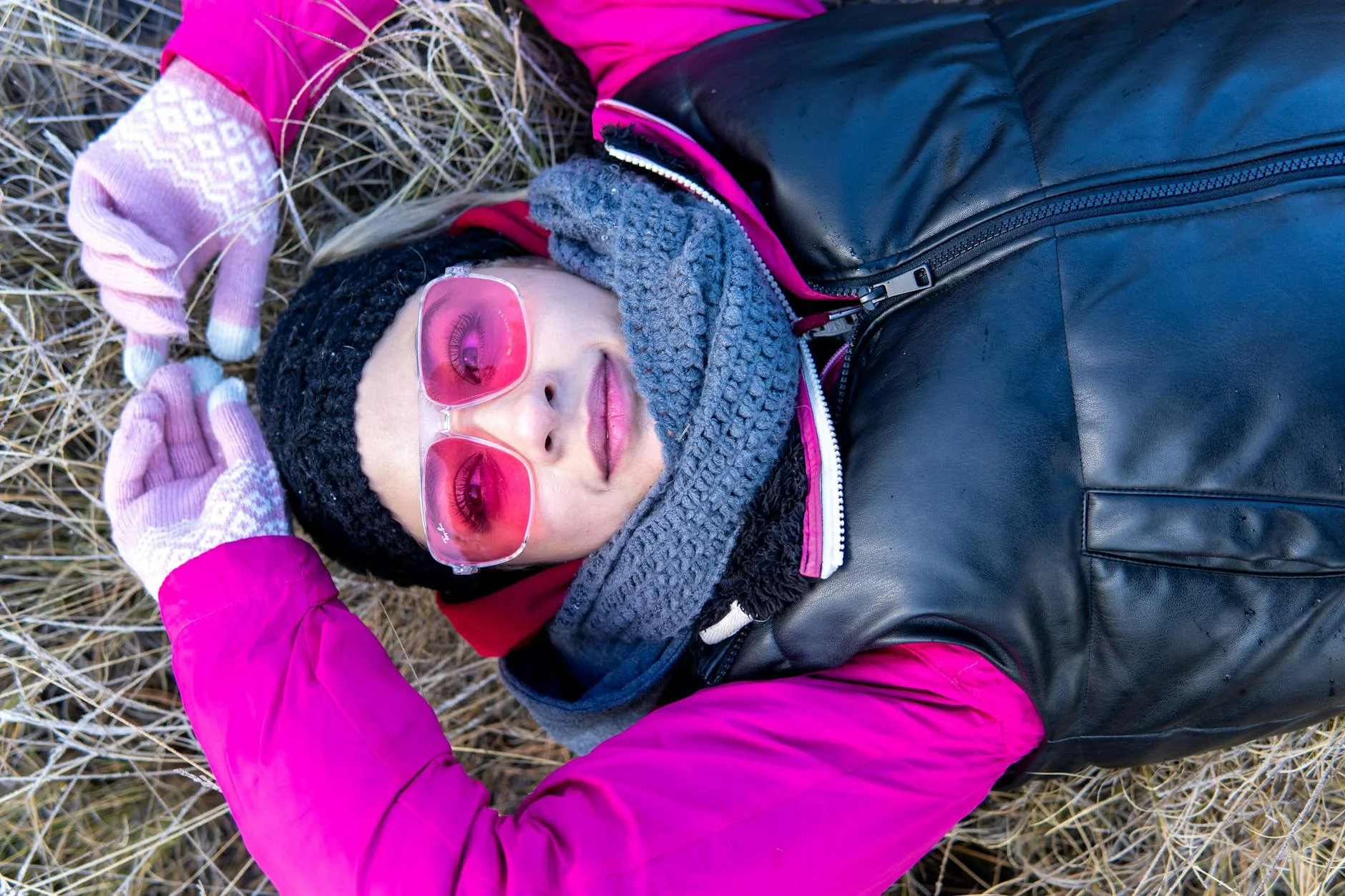
Extremities are where most people underinvest. Cold hands kill your grip and slow you down. Gloves that convert to mittens are useful since you can mitten up fast when you stop moving on a summit. Wool or synthetic hat. A neck gaiter for anything exposed. On your feet: wool or synthetic socks, full stop. Cotton socks in cold wet conditions are how you end a hike early and start a long drive back to DC in soaking boots.
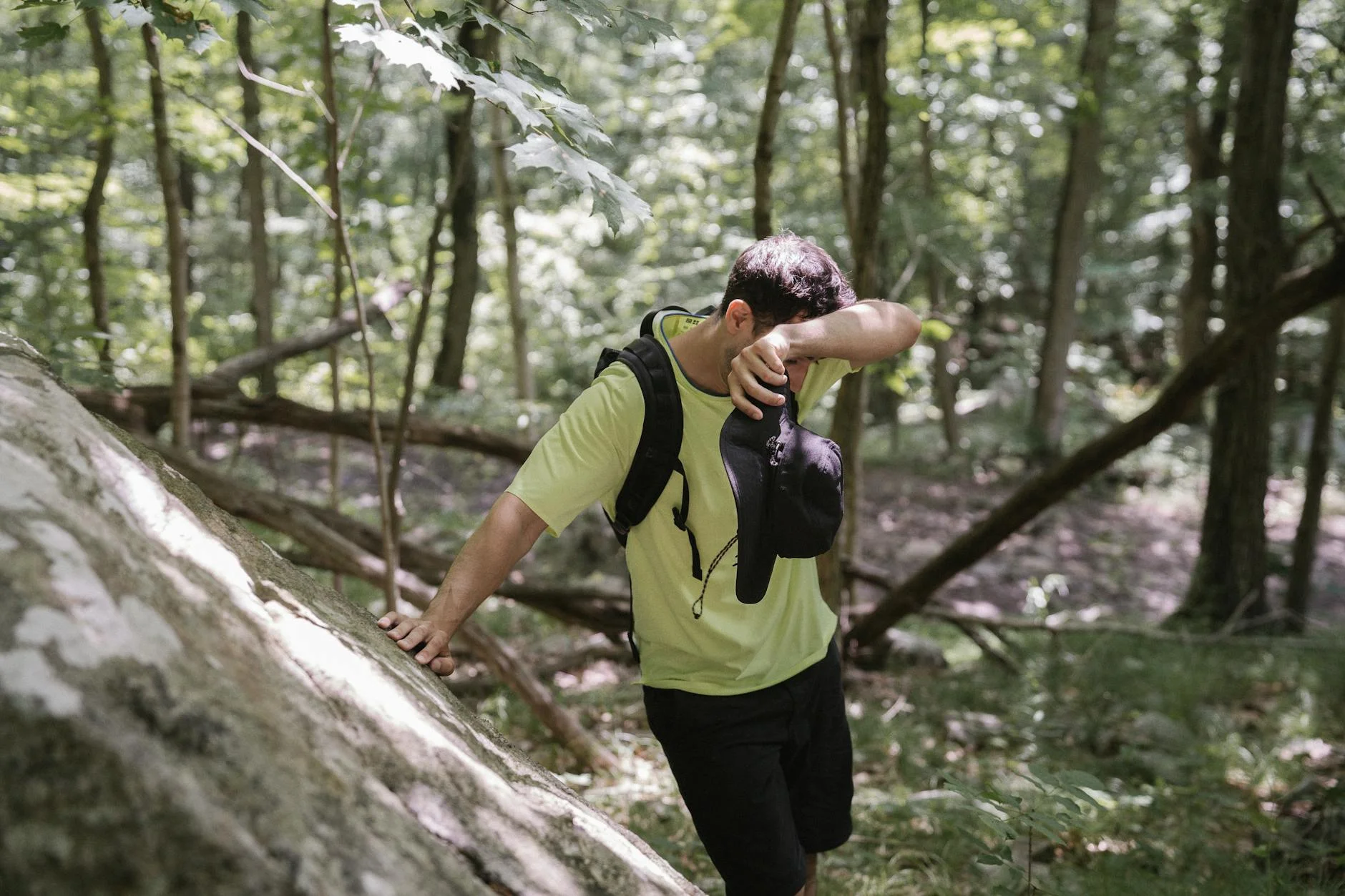
Wool or synthetic base layer is essential in winter. You generate serious heat hiking uphill, then lose it fast on a ridgeline when you stop. Getting sweaty in a cotton base layer and standing still to eat lunch in 25-degree wind is a quick way to become seriously cold in under five minutes.
A Few Things I’ve Changed My Mind About
Throwing everything from the gear closet on at once isn’t layering. It’s how you overheat on the ascent, soak everything in sweat, and then feel cold the moment you stop moving.
I used to think gaiters were overkill for day hikes. I own two pairs now. Low gaiters keep debris and gravel out on rocky trails. Full gaiters are essential in mud season or when snow is above ankle height and your boots aren’t waterproof.
Compression socks. I didn’t take these seriously until I started doing higher-mileage days. They reduce leg fatigue on long descents and help if your ankles give you trouble after long days in the mountains. Worth trying before writing off.
And sun protection gets underestimated on ridge walks. A UPF neck gaiter and long-sleeve sun shirt matter more on exposed terrain than most people realize until they get burned. For a more detailed breakdown of layering across different seasons and trail types, this guide on what to wear hiking goes deeper on the specifics.
Frequently Asked Questions
Is cotton really that bad for hiking?
Cotton holds moisture against your skin instead of wicking it away, which makes you cold fast when wet. For short, flat, warm-weather hikes it’s usually fine. For anything over 5 miles, above treeline, or during shoulder seasons, skip it. Synthetic or merino wool base layers are better in every other condition.
Do I need to buy expensive hiking clothes?
No. Mid-range synthetics from brands like REI Co-op, Columbia, or Outdoor Research work fine for most East Coast day hikes. Where I’d spend more: a good rain shell and quality base layers. Wool hiking socks are worth the price. Everything else can be budget gear for years before it matters.
What should I wear hiking in 50-degree weather?
A moisture-wicking long-sleeve base layer and a fleece mid-layer covers most 50-degree conditions. Add a rain shell if there’s any chance of precipitation. Hiking pants or insulated leggings rather than shorts — 50 degrees with wind on a ridge feels significantly colder than 50 degrees at the trailhead.
Can I hike in running shorts and a t-shirt?
On warm, dry summer days for moderate hikes, absolutely. The issues come up on longer days, in changing conditions, or anywhere with significant elevation gain. Pack a mid-layer even if you start in shorts. Conditions change fast enough on East Coast trails that you’ll be glad you have it.
What’s the one clothing item I should never leave in the car?
A rain shell. It’s the item most often skipped because the forecast looks good and the item most often missed the moment conditions change. It weighs almost nothing, folds into its own pocket, and covers you for rain, wind, and unexpected temperature drops at elevation.
Frequently Asked Questions
Is cotton really that bad for hiking?
Cotton holds moisture against your skin instead of wicking it away, which makes you cold fast when wet. For short, flat, warm-weather hikes it's usually fine. For anything over 5 miles, above treeline, or during shoulder seasons, skip it. Synthetic or merino wool base layers are better in every other condition.
Do I need to buy expensive hiking clothes?
No. Mid-range synthetics from brands like REI Co-op, Columbia, or Outdoor Research work fine for most East Coast day hikes. Where I'd spend more: a good rain shell and quality base layers. Wool hiking socks are worth the price. Everything else can be budget gear for years before it matters.
What should I wear hiking in 50-degree weather?
A moisture-wicking long-sleeve base layer and a fleece mid-layer covers most 50-degree conditions. Add a rain shell if there's any chance of precipitation. Hiking pants or insulated leggings rather than shorts u2014 50 degrees with wind on a ridge feels significantly colder than 50 degrees at the trailhead.
Can I hike in running shorts and a t-shirt?
On warm, dry summer days for moderate hikes, absolutely. The issues come up on longer days, in changing conditions, or anywhere with significant elevation gain. Pack a mid-layer even if you start in shorts. Conditions change fast enough on East Coast trails that you'll be glad you have it.
What's the one clothing item I should never leave in the car?
A rain shell. It's the item most often skipped because the forecast looks good and the item most often missed the moment conditions change. It weighs almost nothing, folds into its own pocket, and covers you for rain, wind, and unexpected temperature drops at elevation.