
Cardigan State Park and Fire Tower
Photo: Sage Ross
(CC via Wikimedia)
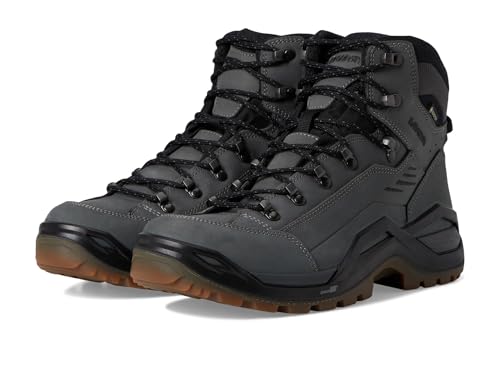 LOWA Renegade EVO GTX MidGORE-TEX, 3 widths, resolableCheck price on Amazon →
 Hydro Flask Wide Mouth 32ozinsulated, durableCheck price on Amazon →
 Osprey Talon 22ventilated back, pole carryCheck price on Amazon →
 Adventure Medical Kits Ultralight Watertight .7day-hike specific, waterproofCheck price on Amazon →
 Black Diamond Spot 400-Rrechargeable, comfortableCheck price on Amazon →
Mount Cardigan at a glance: A 3.3-mile loop to the bald granite summit of Mount Cardigan (3,155 feet) in New Hampshire, capped by a historic fire tower and a full 360° view. Officially moderate, but short and steep — the South Ridge side is a rock-slab scramble, and the summit is completely exposed and windy. Bring a layer for the top, expect mud and bugs in the woods, and note the access road gate closes seasonally, adding about half a mile each way in early spring.
Mount Cardigan is the New Hampshire hike people recommend when someone wants a big summit without a big day. The loop from the western trailhead runs about 3.3 miles to a wide, bald granite cap with a restored fire tower and a wide-open 360° view: the White Mountains to the north, rolling hills in every other direction. It packs a real mountain summit into a half-day outing, which is exactly why it stays busy. The trade-off is that “short” does not mean “easy”: the climb is steep, the upper slabs ask for careful footing, and the exposed summit catches wind that surprises hikers who dressed for the parking lot.
The standard route is a loop that links the West Ridge Trail and the South Ridge Trail, with the fire-tower summit at the high point. The West Ridge side is the shorter, more direct climb and the one most families use; the South Ridge side is longer and noticeably steeper, with open rock slabs on the upper third that hikers consistently describe as a mountain-face scramble. Both sides are well marked with cairns and painted blazes, and both deliver the same payoff at the top.
The most common decision is which way to run the loop. Going up the South Ridge and down the West Ridge front-loads the steep scramble and gives a quicker, gentler descent; the reverse puts the easier climbing first. Either way, the last push to the summit is over open granite, and hikers regularly note that trekking poles help on the slabs. One recurring navigation catch: the blaze color switches partway down the descent, and a number of hikers report briefly losing the route where orange markers change to white, so pay attention at trail junctions on the way down.
The summit itself is a broad bald dome with the fire tower at the center. The tower is not always staffed or open, but it hardly matters — the granite cap is fully in the open and the view is unobstructed with or without the cab. This is also why the top is the most weather-exposed part of the hike, a point worth keeping in mind before starting up.
Listed as moderate, and that is fair for the distance, but hikers consistently note that it is tougher than the 3.3-mile figure suggests. The reason is simple: you gain roughly 1,200 feet and you are climbing for essentially the entire ascent, with the steepest, slab-heavy section saved for the top. Hikers describe it as a short, steep hike with an outsized view, a genuine workout rather than a stroll but well within reach for anyone with some hiking fitness and decent footwear.
Most hikers reach the summit in about an hour and forty-five minutes and come down in around an hour, making the full loop roughly a three-hour outing with time at the top. Footwear with real grip matters more here than mileage alone would imply, because the granite slabs are slick when wet and the wooded sections hold mud. Hikers who show up in trail shoes with good tread report no trouble; those in smooth sneakers tend to be the ones slipping on the slabs.
The trail is best from April through November, and each stretch of that window comes with its own character. Late spring brings wildflowers near the trailhead and the fullest views, but also the two things hikers mention most in that season: mud in the wooded lower half and bugs in the trees. Both are manageable and neither reaches the summit, which stays open and breezy.
Early spring is the one period that demands extra planning. Hikers regularly report lingering ice on the middle third of both ridge trails into April, with the granite cap thawing first and the shaded woods holding snow and slush longest, so microspikes are strongly recommended in that shoulder window even when the trailhead looks clear. Summer is prime time with the buggiest lower woods, and fall delivers the foliage payoff with cooler, drier footing. Whatever the season, the summit is reliably windy and exposed; a windbreaker or extra layer for the top is the single most repeated piece of advice from people who hike it.
Parking is generally easy at the western trailhead, which has a lot with restrooms — a rarity that hikers appreciate. The catch is seasonal: the access road gate closes in the off-season, and when it is down, hikers park below and walk roughly half a mile of dirt road each way to reach the trail proper. In early spring especially, plan for that extra mile round trip until the gate reopens. On busy summer and fall weekends the small lot can fill by mid-morning, so an early start secures both parking and a calmer summit.
The mountain sits in west-central New Hampshire near Orange, roughly 8 hours from Washington DC and about two hours from Boston, which makes it a weekend destination for Mid-Atlantic hikers and an easy day trip from southern New England. Dogs are welcome on leash and are a common sight on the trail, though owners should know the open slabs near the summit can be awkward for dogs and the exposed top is windy for everyone. There is no water on the climb, so carry what you need for a steep few hours.
Mount Cardigan earns an almost unanimous thumbs-up from the people who hike it — the overwhelming majority rate it among their favorite short New Hampshire summits and return to it repeatedly. The recurring phrase is “bang for your buck”: a modest distance, a real climb, and a summit view that feels earned. The consistent caution that runs alongside the praise is preparation for the top. Hikers who brought a wind layer and grippy footwear had the easy, memorable version of the day, while the ones caught out were usually underdressed for the exposed summit or under-shod on the wet slabs.
That is the honest read on Cardigan. It is one of the best effort-to-reward hikes in the state, genuinely family-friendly on the gentler West Ridge side and genuinely steep on the South Ridge, with a bald fire-tower summit that pays off the climb. Treat the exposed top with respect, check the footing for the season, and start early on a clear day — do that, and Cardigan delivers a full mountain summit in a half day’s work.
LOWA Renegade EVO GTX MidGORE-TEX, 3 widths, resolableCheck price on Amazon →Hydro Flask Wide Mouth 32ozinsulated, durableCheck price on Amazon →Osprey Talon 22ventilated back, pole carryCheck price on Amazon →Adventure Medical Kits Ultralight Watertight .7day-hike specific, waterproofCheck price on Amazon →Black Diamond Spot 400-Rrechargeable, comfortableCheck price on Amazon → Patagonia Torrentshell 3L Jacketdurable, trail + everydayCheck price on Amazon →
 Darn Tough Hiker Micro Crew Midweightlifetime warrantyCheck price on Amazon →
 Black Diamond Pursuit Trekking Polescork grip, lightweightCheck price on Amazon →
 Sawyer Squeeze Water Filterultralight, standard threadsCheck price on Amazon →
 Sawyer Premium Permethrin Insect Repellent Spraytreat clothing; kills ticksCheck price on Amazon →
 Mountain Hardwear Crater Lake Long Sleeve HoodyUPF 50, hood + thumb holesCheck price on Amazon →

