I’ve been hiking East Coast trails for years, and I still occasionally forget something dumb, like the time I drove two hours to Shenandoah and realized my water bottle was sitting on the kitchen counter. Don’t be me.
This checklist covers what you actually need for a day hike, not what some gear company wants to sell you. I’m talking 2–8 hour hikes on established trails. The kind most of us do on weekends.
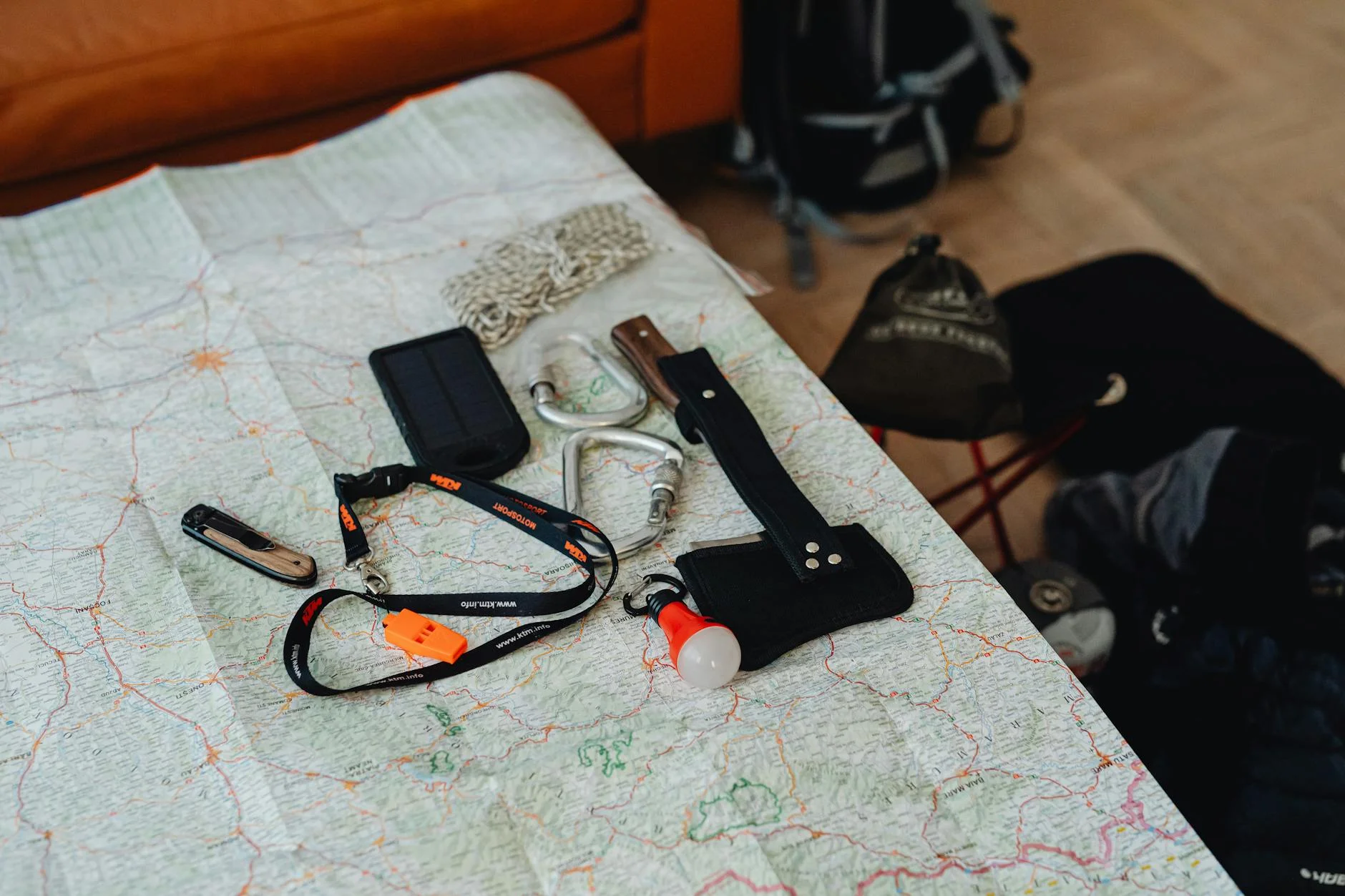
The Non-Negotiables (Bring These Every Time)
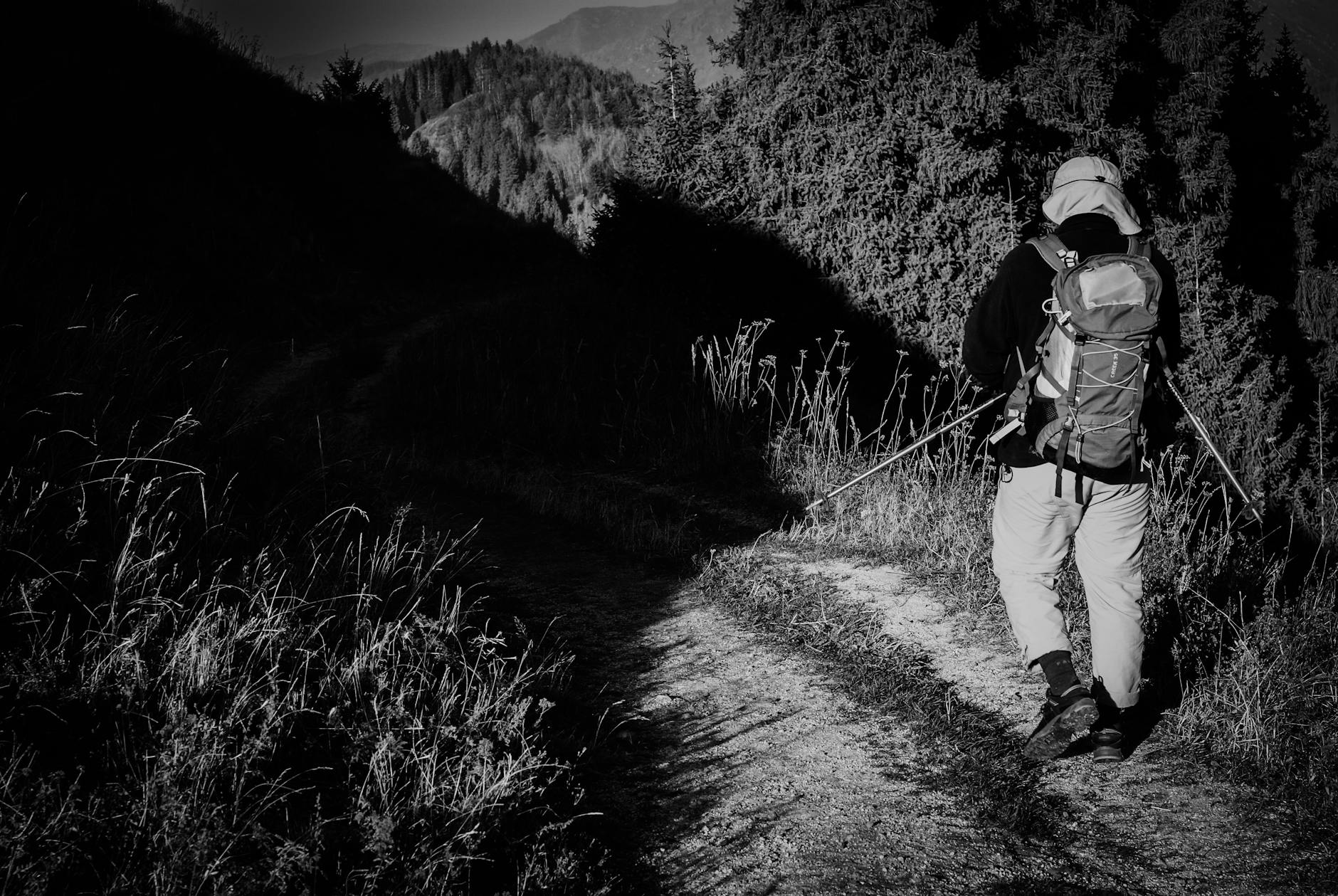
Water
The most common rookie mistake is not bringing enough water. My rule: 1 liter per 2 hours of hiking, plus an extra half-liter buffer. On a hot summer hike in Virginia or North Carolina, bump that up. I’ve drained 3 liters on a 5-hour hike in the Blue Ridge more than once.
A reusable water bottle works fine for shorter hikes. For anything over 4 hours, I use a hydration bladder in my pack so I can sip without stopping.
Food and Snacks
Even on a “short” hike, bring more food than you think you need. Trail mix, energy bars, dried fruit, a sandwich. Whatever you’ll actually eat. I keep a few granola bars permanently stashed in my day pack so I’m never caught empty-handed.
For longer hikes (5+ hours), pack a real lunch. There’s nothing better than eating a sandwich on a summit with a view.
Navigation
Your phone with a downloaded offline map. AllTrails works great for this. Download the trail map before you leave cell service. I also screenshot the trailhead directions because GPS gets sketchy in mountain valleys.
Don’t rely on cell service for navigation. Plenty of East Coast trails, especially in West Virginia and Maine, have zero reception once you’re on the trail.
Sun Protection
Sunscreen and a hat. Obvious, but I see people on exposed ridgelines in July with neither. Even on overcast days, you’re getting UV at elevation. I wear a baseball cap on every hike and keep a small tube of SPF 50 in my pack year-round.
First-Aid Kit
Nothing fancy. A few adhesive bandages, some ibuprofen, antiseptic wipes, and moleskin for blisters. You can buy a pre-made hiking first-aid kit for under $15, or throw together your own in a ziplock bag. The point isn’t to perform field surgery. It’s to handle blisters, minor cuts, and headaches so they don’t end your hike early.
The Smart Additions (For Hikes Over 3 Hours)
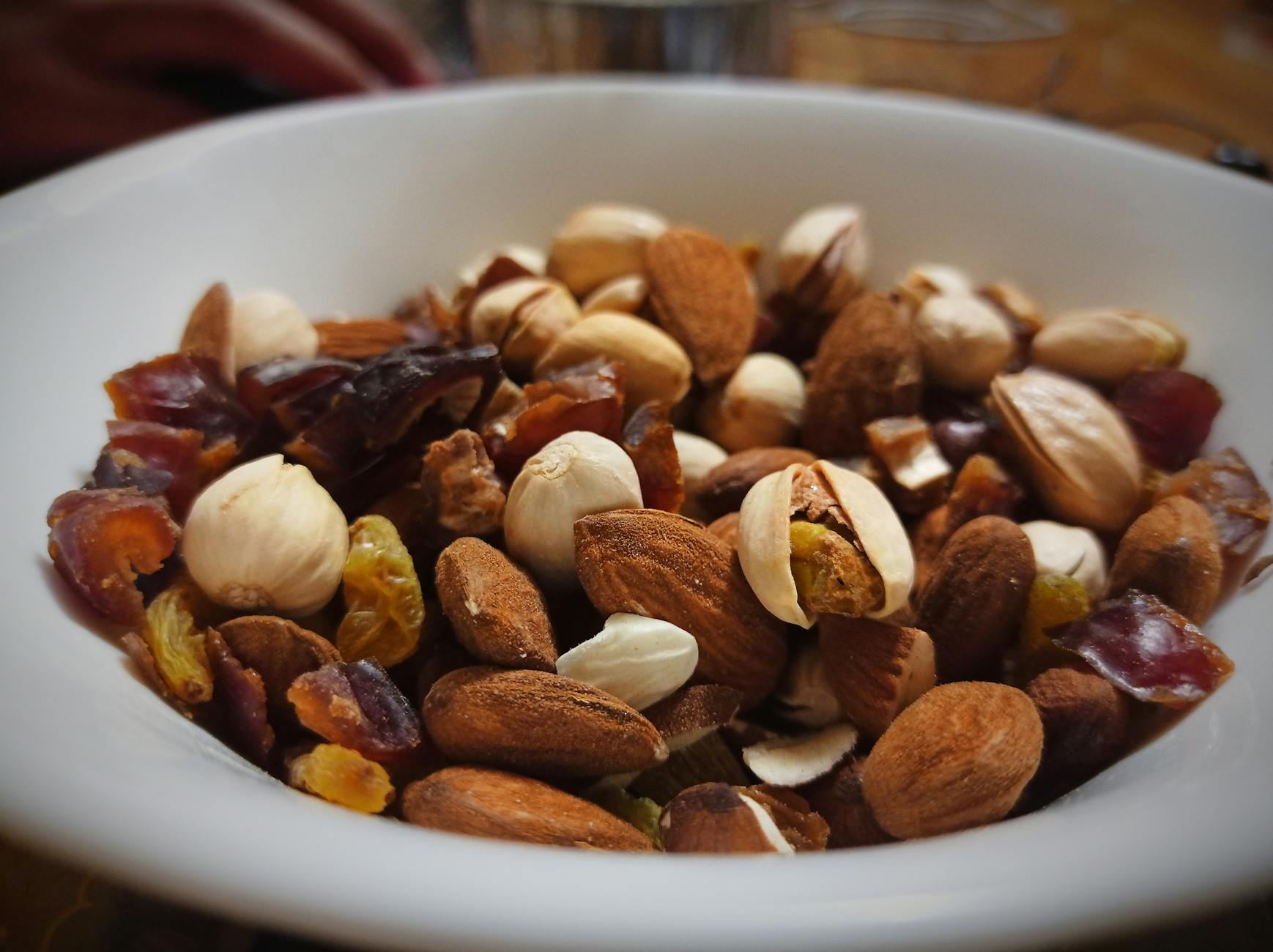
Extra Layer
Weather changes fast on the East Coast, especially at elevation. I always pack a lightweight rain jacket, even when the forecast says zero percent chance of rain. In the White Mountains of New Hampshire, I’ve been caught in squalls that materialized out of nowhere.
In spring and fall, add a fleece or insulating layer. Temperatures at the trailhead and the summit can differ by 15–20 degrees.
Headlamp
The number one item people skip and then regret. Hikes take longer than you expect. If you planned a 4-hour hike and it turns into 6, you could be finishing in the dark. A small headlamp weighs almost nothing and could save you from a sketchy descent on a rocky trail with no light.
Trekking Poles
Optional for flat trails, but I consider them essential for anything with significant elevation gain. They save your knees on descents, especially on rocky trails like Breakneck Ridge in New York or the Knife’s Edge on Katahdin. My knees started thanking me the day I finally gave in and bought a pair.
Bug Spray
From May through September on the East Coast, ticks and mosquitoes are a real concern. Spray your ankles and lower legs with a DEET or picaridin-based repellent. I also treat my hiking pants with permethrin at the start of each season. It lasts through several washes.

The “Depends on the Hike” List
Microspikes or Traction Devices
For winter hiking or early spring when trails are icy. Essential in the White Mountains and Adirondacks from November through April. Don’t attempt winter ridgeline hikes without them. I’ve seen people turn back 100 yards from a summit because they were slipping on ice.
Gaiters
Useful in muddy conditions (spring in the Catskills) or deep snow. Not necessary for most summer and fall hikes.
Bear Canister or Bear Spray
Not typically needed for East Coast day hikes. Black bears are present but generally avoid people. That said, if you’re hiking in remote areas of Maine or the Adirondacks and bringing a full lunch, hang your food if you stop for an extended break.
The Complete Day Hike Checklist
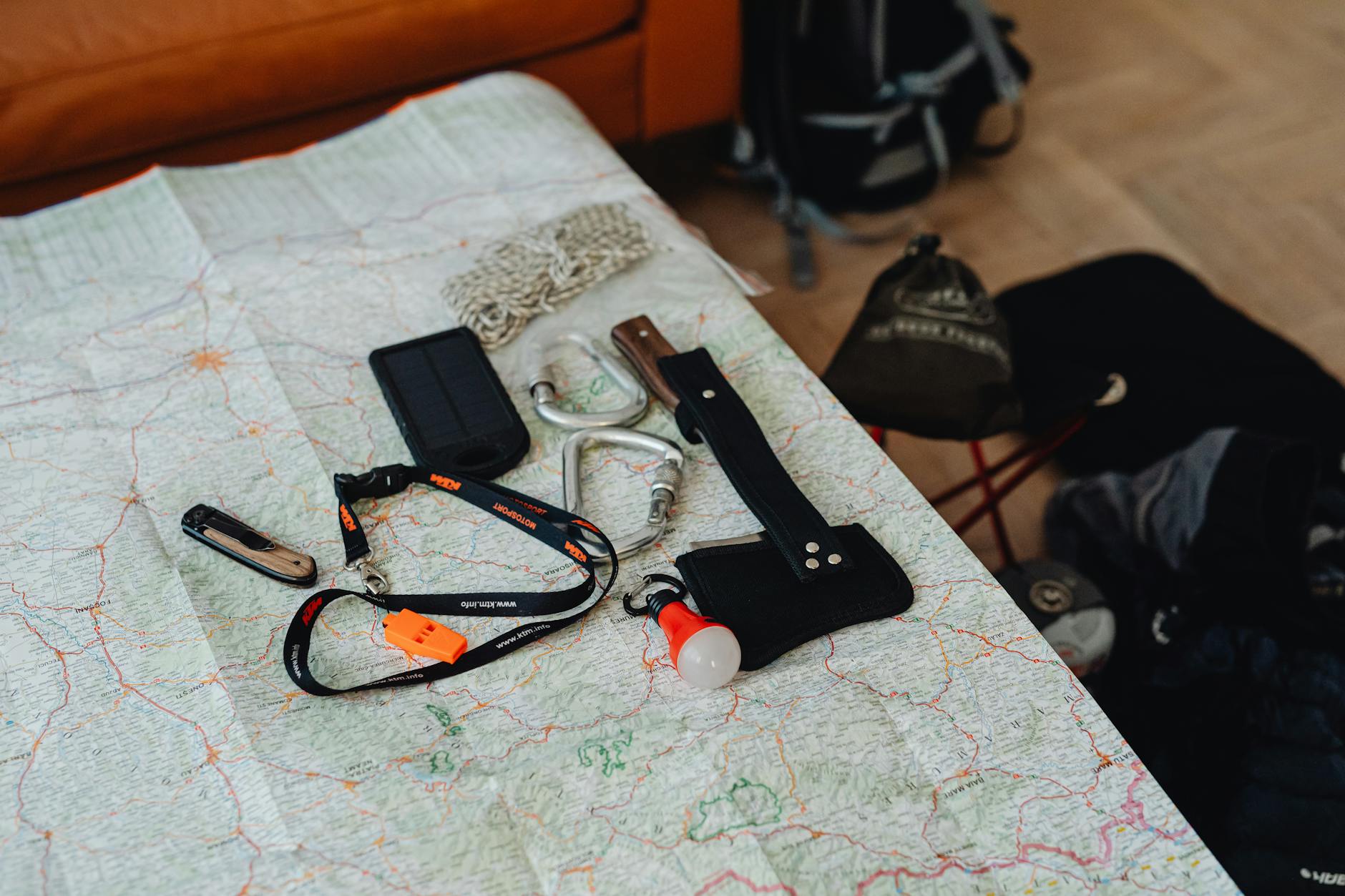
Here’s everything in one quick-reference list:
Always bring:
- Water (1L per 2 hours + buffer)
- Snacks and/or lunch
- Phone with offline trail map downloaded
- Sunscreen + hat
- Basic first-aid kit
- Car keys and ID (obvious, but I’ve left keys on the roof of my car before)
For longer hikes (3+ hours):
- Rain jacket or extra layer
- Headlamp with fresh batteries
- Trekking poles
- Bug spray (May-September)
- Toilet paper + ziplock bag (carry out what you carry in)
Seasonal additions:
- Winter: microspikes, insulating layers, hand warmers
- Summer: extra water, electrolyte tabs, cooling towel
- Spring: gaiters for mud, extra socks
What You Don’t Need
A few things I see beginners overpacking:
- A full-size backpacking stove — this is a day hike, not a thru-hike
- Multiple changes of clothes — one extra pair of socks is plenty
- Heavy field guides — use an app like iNaturalist instead
- Cotton anything — cotton absorbs sweat and stays wet. Wear synthetic or merino wool
The best day hike pack weighs 8–12 pounds fully loaded. If yours weighs more than that, you’re probably bringing stuff you won’t use.
Frequently Asked Questions
How much water should I bring on a day hike?
Bring 1 liter of water per 2 hours of hiking, plus a half-liter buffer. On hot summer hikes, increase this to 1 liter per hour. A 5-hour hike in warm weather may require 3 or more liters.
Do I need trekking poles for a day hike?
Trekking poles are optional for flat trails but highly recommended for hikes with significant elevation gain. They reduce knee strain on descents and improve stability on rocky terrain.
What should I wear on a day hike?
Wear moisture-wicking synthetic or merino wool layers. Avoid cotton, which absorbs sweat and stays wet. Bring a rain jacket even on clear days, and dress in layers you can add or remove as conditions change.
Do I need a headlamp for a day hike?
A headlamp is strongly recommended for any hike over 3 hours. Hikes frequently take longer than planned, and being caught on a rocky trail after dark without light is dangerous.
How heavy should my day hike pack be?
A well-packed day hike bag should weigh 8-12 pounds with water and food included. If your pack weighs more than that, you are likely bringing items you will not use.