I’ve shown up to Breakneck Ridge with a 40L pack stuffed for a weekend trip and pulled up to Shenandoah with a fanny pack that couldn’t hold a rain jacket. Both were mistakes. After years of testing different setups across East Coast trails, I’ve figured out what actually matters in a day hiking backpack, what’s pure marketing, and what will leave you miserable by mile 5.
The answer isn’t the same for every hike. A 5-mile loop on flat terrain outside DC calls for something completely different than a 14-mile ridgeline traverse in the White Mountains.
What Size Pack Do You Actually Need for a Day Hike?
For most day hikes, 15–25L is the right range. That covers water, food, a jacket, a first aid kit, and a few extras without hauling unnecessary weight up every climb.
Under 10L is a hydration pack. Fine for short runs under 6 miles in good weather. Above 30L and you’re in overnight territory. I’ve loaded a 30L pack for a day hike before and spent the whole trip regretting it. Extra volume means extra weight. You fill the space.
My default for East Coast days is 18–20L. On bigger days with variable weather, like anything in the White Mountains or the Adirondacks, I’ll go up to 25L. That handles a puffy, an extra mid-layer, and emergency supplies without strain.
One exception: summer loops under 8 miles with no significant elevation and a clear forecast. A 12–15L pack handles those just fine. Don’t show up to a 4-mile loop in July with a 25L pack.
What Features Actually Matter in a Day Hiking Pack?
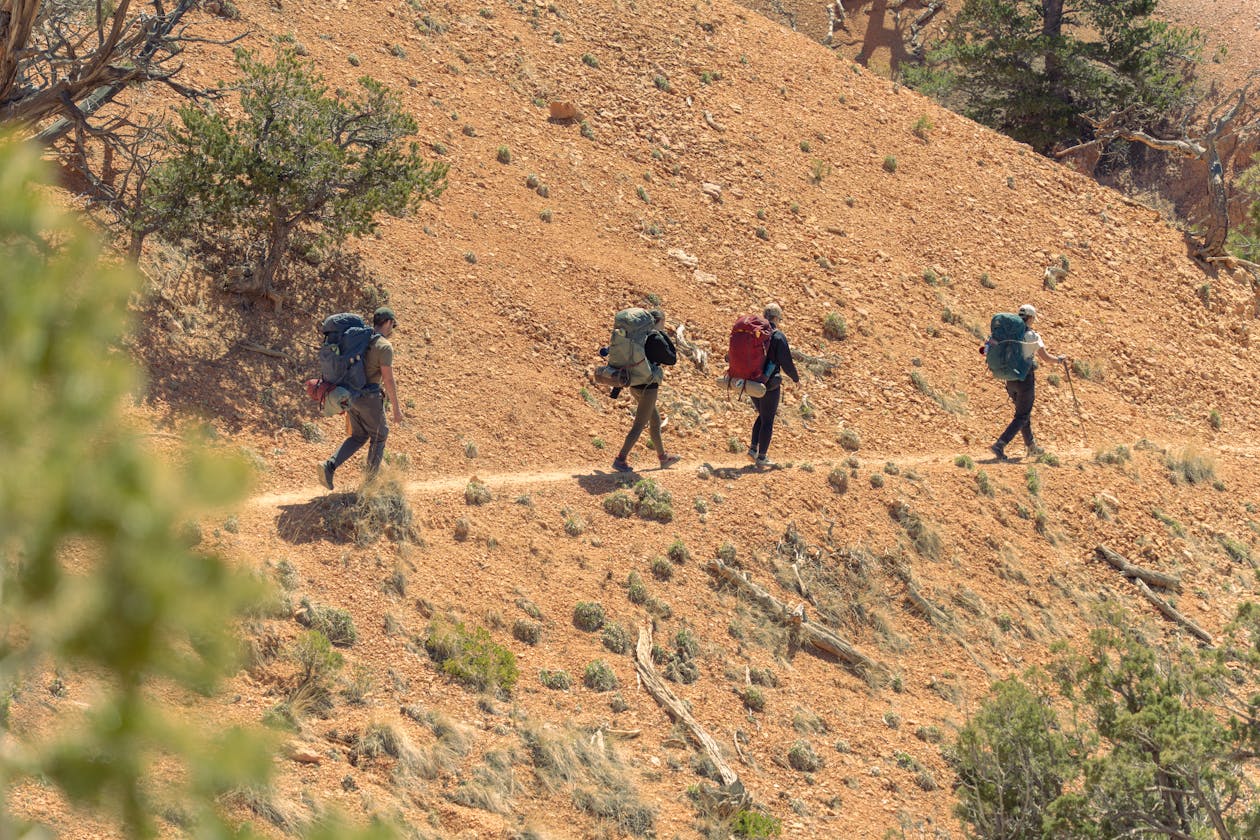
A lot of features on pack spec sheets are marketing noise. Here’s what I actually rely on after years on East Coast trails.
Hip belt. Any pack over 20L carrying more than 10 lbs needs a real hip belt, not a decorative strap. The hip belt transfers weight to your hips and off your shoulders. On long climbs, this is the difference between finishing strong and arriving wrecked. Some ultralight packs skip it entirely. That’s fine for sub-5-mile speed efforts. For a full day kit, you want it.
Hydration sleeve. I run a 2–3L bladder on most hikes. A dedicated sleeve keeps everything organized and the hose accessible. Without one, you’re digging through the main compartment for a water bottle every 20 minutes. On a 10-mile day in Virginia in July, that gets old fast.
Rain cover or waterproof liner. East Coast weather does not care about your forecast. A built-in rain cover is convenient. Some packs use a waterproof liner instead, which also works. What doesn’t work: assuming it won’t rain because it looked clear at the trailhead. I learned that lesson on a July day in the Catskills and spent four hours in wet clothes.
Sternum strap. Small detail, but it keeps shoulder straps from splaying when you’re scrambling or ducking under blowdowns. On technical terrain like the Shawangunks or Breakneck’s rock faces, it makes a real difference.
Ventilated back panel. If you’re hiking East Coast summers from Virginia north, this matters more than almost anything else. Mesh panels with a channel down the spine allow air to move between the pack and your back. I’ve done August days on Old Rag with both ventilated and solid-contact packs. The difference in how soaked you get by mile 4 is not subtle.
Features I skip: trekking pole attachment loops (I just bungee the poles), built-in emergency whistles, and external frame attachment points on a pure day pack.
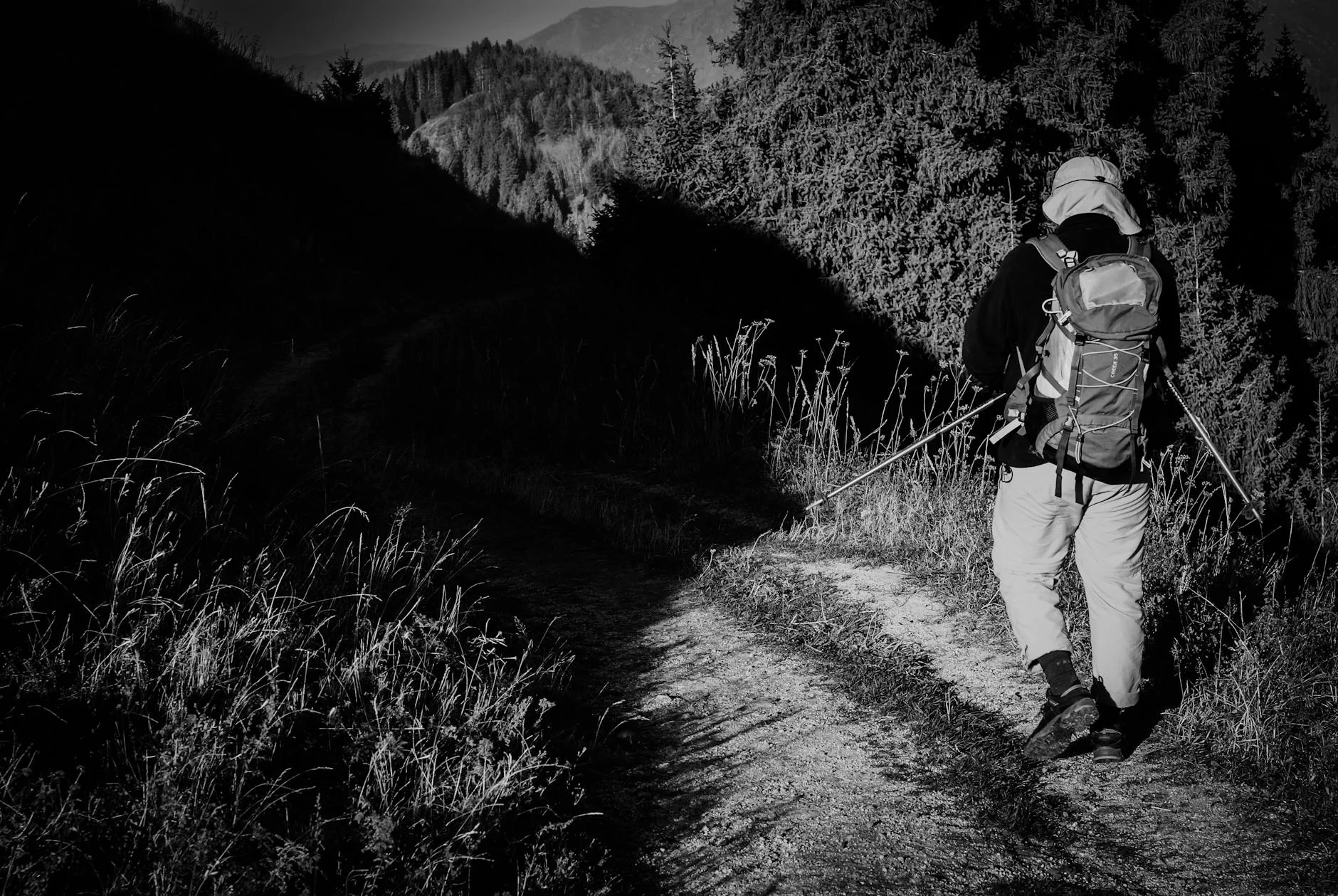
How Do You Know If a Day Pack Fits Right?

Most people skip fit testing, buy online based on reviews, and then wonder why their shoulders ache by noon. A pack that fits wrong causes shoulder pain, upper back fatigue, and pressure points within the first two hours.
The main variable is torso length. Most packs size by torso, not overall height. Measure from the C7 vertebra (the large bony bump at the base of your neck) down to your iliac crest (the top of your hip bone). That’s your torso length, and it determines which pack size to buy.
Once you have the right size, load the pack with realistic weight before testing the fit. Ten to fifteen pounds is accurate for a full day kit. Put it on, cinch the hip belt first so it sits centered on your iliac crest, then tighten the shoulder straps, then pull the load lifters (the short straps angling up from the top of the shoulder straps). The shoulder straps should curve away from your shoulders slightly, with no gap between the pad and your back.
If the pack rides low and pulls your shoulders backward, the torso length is too long. If it cramps into your neck, too short. Get this right at home before you’re on mile 10 of a ridge traverse in New Hampshire with no options.
What’s the Difference Between a Day Pack and a Hydration Pack?
Hydration packs are small: 5–10L, built around the bladder with minimal storage. Popular for trail running, short mountain bike rides, and quick summit runs where you want to move fast and light.
Day packs are 15–30L and built to carry a full kit. Multiple compartments, proper hip and shoulder systems, room for layers, food, first aid, and navigation gear.
I own both. The hydration pack comes out for anything under 5 miles with mild conditions. The day pack is what I grab for anything longer, or when weather could go sideways. In New England especially, I won’t do a half-day ridge hike without the full setup. One pop-up thunderstorm changes the entire trip.
There’s also the trail running vest approach. Fine for ultralight, go-fast days. Once you’re carrying real weight, a vest without frame support is just punishment on your lower back by hour three.
What Size Hydration Pack Is Right for a Day Hike?
For most day hikes, the right hydration pack size is a 2-liter reservoir carried in a 10–18L pack. That combination covers 4 to 8 miles in three-season weather with room left for food, a layer, and first aid. Go to 3 liters for full-day summer hikes, and drop to 1.5 liters only for outings under two hours.
The mistake people make is sizing the bladder and ignoring the pack around it. A full 3-liter reservoir weighs over six pounds, and in a minimal race-style pack with no hip belt, every ounce of that hangs on your shoulders. If your hikes justify 3 liters of water, they justify a pack with real suspension too.
Budget water by conditions, not by thirst: roughly half a liter per hour in mild weather, and a full liter per hour in July humidity or on exposed ridgelines. Remember that the Kittatinny and the Blue Ridge crests have almost no reliable water in summer — carry the full amount from the trailhead, or carry a filter and know exactly where the springs are before you commit.
These are the picks that keep earning their spot in my rotation:
 Hydro Flask Wide Mouth 32ozinsulated, durableCheck price on Amazon →
 Osprey Talon 22ventilated back, pole carryCheck price on Amazon →
 Sawyer Squeeze Water Filterultralight, standard threadsCheck price on Amazon →
 Nalgene Wide Mouth 32ozindestructible, filter-thread compatibleCheck price on Amazon →
 Katadyn BeFree 1Lbest out-of-box flow for day tripsCheck price on Amazon →
As an Amazon Associate, East Coast Hiker earns from qualifying purchases.
When Should You Size Up Your Day Pack?
Some days call for more volume. Know when to reach for the bigger bag.
Winter hiking. More layers means more volume. On a February day at Franconia Ridge in New Hampshire, I was carrying a full puffy, balaclava, extra gloves, a hot water thermos, and emergency gear. That’s a 25L day, minimum. The summit conditions on that ridge in winter are serious.
Long days. Anything over 12 miles with significant elevation, I want 25L and room for extra calories and dry socks. Wet feet kill morale faster than most things on trail.
Group gear. If you’re carrying shared first aid, bear spray, or extra water for someone else in the group, factor that into your volume choice before you leave the parking lot.
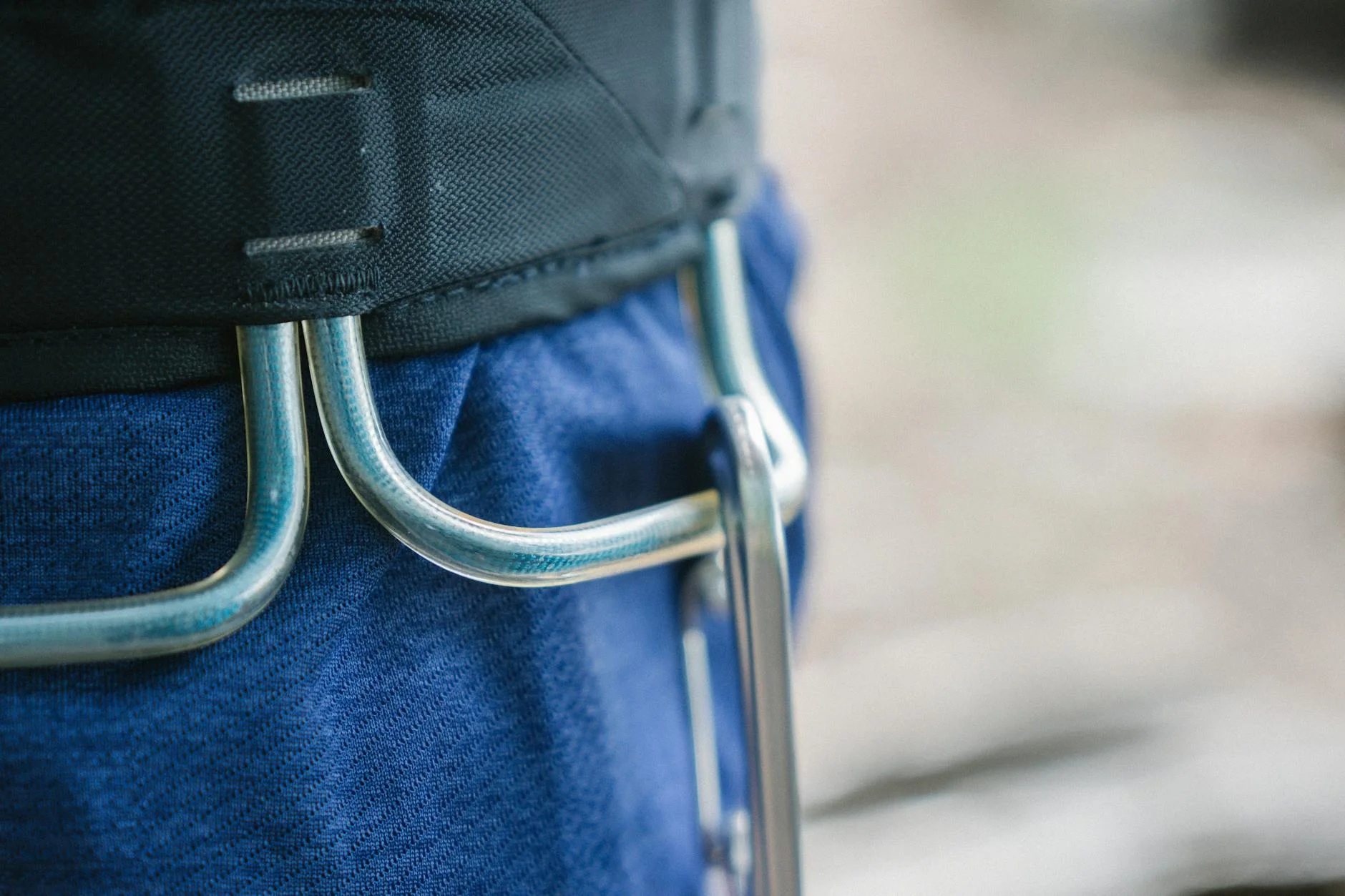
How Much Weight Should You Actually Carry?
For a day hike, aim for 8–15 lbs total loaded weight. Under 8 usually means cutting corners on something. Over 15 and you’re packing for a different trip than the one you’re taking.
The heaviest items are almost always water and food. Water is 2.2 lbs per liter. Two to three liters is 4.5–6.5 lbs before anything else goes in the bag. That’s where smart packing actually matters. Carry what you need and stop there.
The full breakdown of what belongs in a day pack is in the what to bring on a day hike guide. Short version: water, food, rain layer, first aid kit, navigation, headlamp. Everything else earns its weight or stays in the car.
What Should You Actually Put Inside Your Day Pack?
Packing a day hiking backpack well comes down to categories, not a memorized checklist. Get each category right and you won’t leave anything critical behind.
Water. Minimum 2L for anything over 5 miles. In summer heat or on exposed ridges, go 3L. If the trail has a reliable water source and you’re carrying a filter, you can plan a refill and start lighter.
Food. One real meal plus snacks for any hike over 4 hours. A sandwich or wrap plus two or three snack items is plenty. Extra food weight adds up fast.
Layers. At minimum, a rain shell. For anything above 4,000 feet or outside the summer window, add a mid-layer. The hiking clothing guide covers the full layer system if you’re sorting out what that means for your specific conditions.
First aid. A small preassembled kit: blister supplies, ibuprofen, bandages, space blanket. Mine weighs under half a pound and has been useful more times than I expected.
Navigation. Phone with downloaded offline maps. Paper topo as backup on unfamiliar trails. Cell service disappears on ridges across the East Coast.
Headlamp. Non-negotiable. I’ve been on enough hikes that ran long to never skip this. It weighs almost nothing.
The most common packing mistake: loading in redundant items or vague “just in case” gear you’ve never actually needed. A lighter pack means a better day.
What’s the Best Day Pack Setup for Mid-Atlantic Trails?
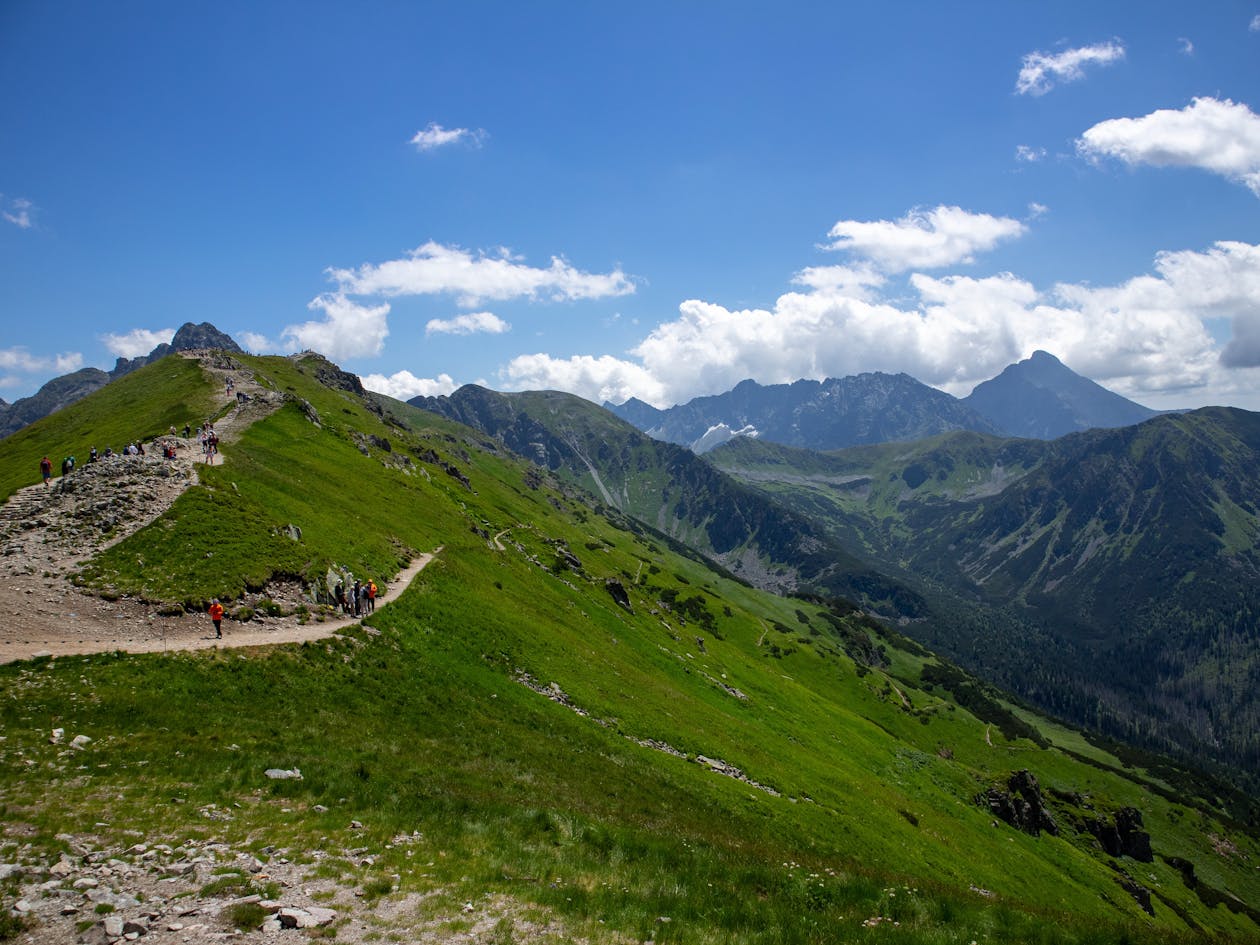
I do most of my hiking within a 5-hour drive of DC: Shenandoah, the Catskills, the Adirondacks, western North Carolina, and regular trips up to New England. Each region has quirks, but the Mid-Atlantic has a few things that specifically shape gear choices.
Humidity from the Virginia Blue Ridge through central Pennsylvania in July and August is relentless. A ventilated mesh back panel is worth every extra dollar. Solid-contact panels trap heat against your back and you’ll feel it by hour two on a humid day.
The scramble terrain on trails like Old Rag and Breakneck Ridge in New York rewards packs that ride close and don’t shift when you’re using your hands. An oversized day pack becomes a liability on rocky sections.
Spring and fall in this region swing hard. A 45-degree morning in October can turn into 70 degrees by midday, then cold again with afternoon rain. The 20–25L range handles that variability. You need room to stash whatever you strip off.
If you’re working through the best hikes in Virginia in summer, prioritize ventilation. If you’re hitting the Whites in winter, prioritize volume. Know which problem you’re trying to solve before you pick a pack.
Frequently Asked Questions
What size backpack do I need for a day hike?
15–25L covers most day hikes. Use 15–20L for standard days under 10 miles, 20–25L for longer days, winter hiking, or variable weather. Under 15L works for short, warm-weather outings where you’re moving fast and light. Anything over 25L and you’re carrying more volume than a day hike requires.
Can I use a regular backpack for hiking?
For short, easy hikes in good weather, yes. For anything longer than 6 miles or in variable conditions, a hiking-specific pack is worth it. The difference is the hip belt transferring weight off your shoulders, a dedicated hydration sleeve, and materials that handle sweat and weather. School backpacks lack all three and punish your shoulders on long climbs.
How do I know if my day pack fits correctly?
Load it with realistic weight (10–15 lbs), cinch the hip belt first centered on your iliac crest, then tighten shoulder straps, then load lifters. The hip belt should carry most of the weight. If your shoulders are taking the full load or the pack pulls backward, the torso length is off. Get this right before a long day out.
How much water should I carry in my day pack?
2L minimum for hikes over 5 miles. 3L in summer heat, on exposed ridges, or any hike over 8 miles. A 2–3L hydration bladder in a dedicated sleeve is the cleanest setup — you don’t have to stop and dig for a water bottle. If the trail has reliable water sources, factor in a filter and you can start lighter.
What is the most important feature in a day hiking backpack?
A real hip belt, not a decorative strap. On any hike with significant elevation or over 10 miles, the hip belt is what transfers weight to your hips and keeps your shoulders functional for the descent. After that: a ventilated back panel for East Coast humidity, and a hydration sleeve for hands-free water access.
Frequently Asked Questions
What size backpack do I need for a day hike?
For most day hikes, a 15-25L pack is the right range. An 18-20L pack handles water, food, layers, and a first aid kit without unnecessary bulk. Size up to 25L for winter hiking or long days over 12 miles with significant elevation.
What features should I look for in a day hiking backpack?
The most important features are a proper hip belt, a hydration sleeve, a sternum strap, and a rain cover or waterproof liner. For East Coast hiking, a ventilated mesh back panel is worth paying extra for during humid summer months.
How heavy should my day hike pack be?
Aim for 8-15 lbs total loaded weight. Water is usually the heaviest item at 2.2 lbs per liter. Two liters weighs about 4.4 lbs before you've added anything else. Stay intentional about what you pack and avoid gear that doesn't earn its weight.
Can I use a hydration pack instead of a day pack for hiking?
A hydration pack (5-10L) works well for short hikes under 5 miles in good conditions. For anything longer, or when weather is uncertain, you need a proper day pack with room for layers, food, and emergency gear.
What makes a good day pack for East Coast hiking specifically?
Look for a ventilated back panel to handle summer humidity, a close-fitting profile for scramble terrain like Old Rag or Breakneck Ridge, and 20-25L of volume to manage the weather variability common in East Coast spring and fall.