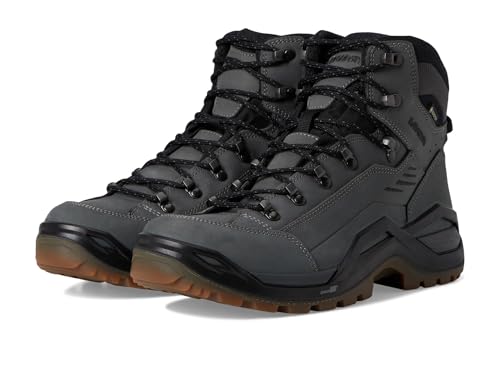
 LOWA Renegade EVO GTX MidGORE-TEX, 3 widths, resolableCheck price on Amazon →
 Hydro Flask Wide Mouth 32ozinsulated, durableCheck price on Amazon →
 Osprey Talon 22ventilated back, pole carryCheck price on Amazon →
 Adventure Medical Kits Ultralight Watertight .7day-hike specific, waterproofCheck price on Amazon →
 Black Diamond Spot 400-Rrechargeable, comfortableCheck price on Amazon →
What to Expect on the Trail
Cape Henry Trail runs the full length of First Landing State Park, connecting the Trail Center on the western end to the 64th Street access point near the Virginia Beach resort area on the eastern end. The 6-mile route passes through every major ecosystem the park contains: maritime forest with live oaks draped in Spanish moss, bald cypress swamps with knobby knees rising from dark water, salt marshes where the Chesapeake Bay pushes tidal water into the park’s interior, and dune forest where the trees bend from decades of coastal wind.
The variety is what sets Cape Henry apart from other flat coastal trails. In 6 miles you walk through four distinct habitats, each with its own canopy, understory, and wildlife. The maritime forest sections feel subtropical — live oaks, loblolly pines, and an understory of wax myrtle and holly that stays green year-round. The cypress swamp sections connect to the Bald Cypress Trail, the park’s most photogenic loop. The salt marsh sections open up with boardwalks over tidal flats where fiddler crabs and shorebirds work the mud at low tide.
The trail surface is wide sand road through most sections, with paved stretches and boardwalks over the wettest areas. The width and surface make Cape Henry the only trail in the park open to bicycles, which means you share the path with cyclists, especially on weekends. The cycling traffic is generally courteous but can be surprising on the narrower sections — stay alert and yield right-of-way.
First Landing State Park is where the Jamestown colonists first set foot in Virginia in April 1607, 13 days before continuing upriver to establish the Jamestown settlement. A cross near the park entrance marks the approximate landing site. The park was built in part by an all-African-American Civilian Conservation Corps company in 1933-1940, and their infrastructure — roads, bridges, and buildings — is still in use today. The park is both a National Natural Landmark and listed on the National Register of Historic Places.
How Hard Is This Trail, Really?
Easy. The trail has about 50 feet of total elevation change across 6 miles — coastal plain terrain that is flat by any definition. The sand road surface is firm and well-maintained. No rocks, no roots, no technical footing. The boardwalk sections over the marsh are flat with railings. Sneakers or trail shoes work fine year-round.
The difficulty is distance. The full out-and-back is 12 miles, which is a long day of flat walking. Most hikers choose a section rather than the full route. The western section from the Trail Center through the cypress swamps is the most scenic and covers about 3 miles round trip. The eastern section near the beach connects to the Virginia Beach boardwalk bike path and is popular with runners and cyclists.
Biking the trail is an efficient way to cover the full 6 miles without the time commitment of walking. The wide sand road surface accommodates standard bikes and beach cruisers. Mountain bikes are not necessary — this is not technical riding.
Best Time to Go
October through March is the best window for hiking. The summer crowds thin dramatically after Labor Day, the temperatures drop to comfortable hiking levels, and the birding improves as migratory species arrive. The maritime forest stays green year-round due to the live oaks and hollies, so the trail never has the bare, gray character that winter brings to deciduous forests further north.
Summer is the peak season at First Landing, but the crowds are driven by beach access, not trails. The cape Henry Trail sees moderate foot traffic in summer. The bigger problem is heat — the exposed sections through the salt marsh and dune forest have no shade, and Virginia Beach humidity in July makes sustained walking uncomfortable. Start before 8 AM in summer.
The park explicitly warns that weekends reach parking capacity and visitors will be turned away once full. This primarily affects the beach-side parking on the left side of the park entrance. The Trail Center parking on the right side fills less quickly and is the correct starting point for Cape Henry Trail.
The park is open 7 AM to dusk year-round.
Before You Go
First Landing State Park is at 2500 Shore Drive, Virginia Beach, VA 23451. From I-64, take Exit 282 (Northampton Boulevard/US-13 North). Go through eight traffic lights, turn right at the Shore Drive/US-60 exit. Right on Shore Drive for 4.5 miles to the park entrance. Turn right at the entrance for the Trail Center and Cape Henry Trail. Turn left for the beach, campground, and cabins.
Day-use parking fee: $7-10 depending on season. Restrooms at the Trail Center. The Trail Center is open daily 8 AM to 4 PM with trail maps and interpretive information. The park has cabins, yurts, and campsites for overnight stays — reservations recommended for summer.
Dogs are allowed on leash on Cape Henry Trail and throughout the park. The flat terrain is suitable for dogs of all sizes and ages. Dogs are also allowed on the beach but must be leashed. Bring water — the 6-mile one-way distance means you need more water than a typical short hike.
One note: the park is located beside a military training center that operates year-round at any time of day or night. Unusual sounds and activity may be heard. This poses no risk to visitors but can be startling if unexpected.
The drive from Norfolk is about 20-30 minutes. From Richmond, about 2 hours. From Northern Virginia, about 3.5 hours. The park’s combination of beach, trails, camping, and historical significance makes it worth the drive for an overnight trip.
Word from the Trail
Cape Henry Trail connects the park’s ecosystems the way a river connects its tributaries. You start in maritime forest, cross into cypress swamp, emerge into salt marsh, and end at the edge of the Chesapeake Bay. The 6 miles feel like a transect through the coastal Virginia landscape — a sample of every habitat that exists where the land meets the water. No other trail in the Hampton Roads area covers this much ecological variety in a single route.
The 1607 landing history adds a dimension that pure nature trails cannot match. Walking the same shoreline where the Susan Constant, Godspeed, and Discovery made landfall connects you to the beginning of English America. The CCC infrastructure built by an all-Black company in the 1930s adds a second layer of history. Cape Henry Trail walks through both of those stories, one step at a time, on ground that has been remarkable for four centuries.
Frequently Asked Questions
LOWA Renegade EVO GTX MidGORE-TEX, 3 widths, resolableCheck price on Amazon →Hydro Flask Wide Mouth 32ozinsulated, durableCheck price on Amazon →Osprey Talon 22ventilated back, pole carryCheck price on Amazon →Adventure Medical Kits Ultralight Watertight .7day-hike specific, waterproofCheck price on Amazon →Black Diamond Spot 400-Rrechargeable, comfortableCheck price on Amazon → Patagonia Torrentshell 3L Jacketdurable, trail + everydayCheck price on Amazon →
 Darn Tough Hiker Micro Crew Midweightlifetime warrantyCheck price on Amazon →
 Black Diamond Pursuit Trekking Polescork grip, lightweightCheck price on Amazon →
 Sawyer Squeeze Water Filterultralight, standard threadsCheck price on Amazon →