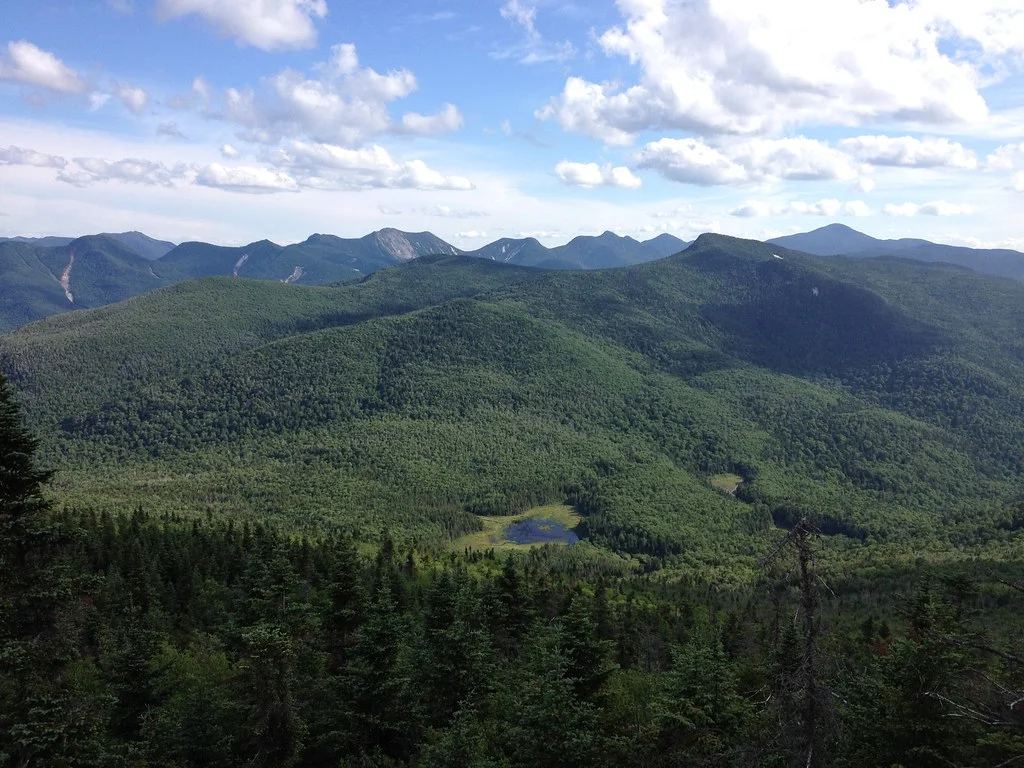
Cascade Mountain
Photo: Laurie Tewksbury
(CC via Wikimedia)
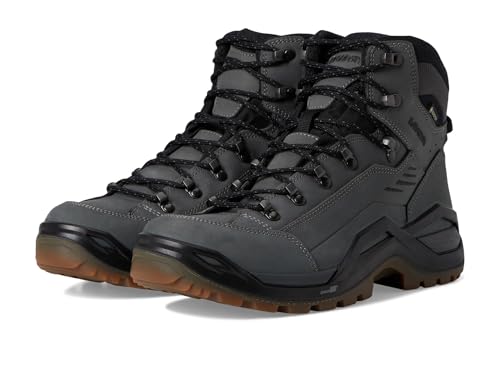 LOWA Renegade EVO GTX MidGORE-TEX, 3 widths, resolableCheck price on Amazon →
 Hydro Flask Wide Mouth 32ozinsulated, durableCheck price on Amazon →
 Osprey Talon 22ventilated back, pole carryCheck price on Amazon →
 Adventure Medical Kits Ultralight Watertight .7day-hike specific, waterproofCheck price on Amazon →
 Black Diamond Spot 400-Rrechargeable, comfortableCheck price on Amazon →
Cascade Mountain is where most people start their Adirondack High Peaks journey, and the mountain knows it. The trail begins at the Route 73 parking area between Keene and Lake Placid and climbs steadily through hardwood forest for the first mile. The footing is good here — packed dirt with some root tangles, the kind of trail that lets you find a rhythm.
Around the halfway point the trail steepens and the character changes. The forest transitions to boreal spruce and the rocky sections begin. The last quarter mile is the real push — steep, exposed rock with views opening up on both sides as you approach the bald summit. The summit itself is an open rock dome with unobstructed views in every direction. On a clear day you can see Mount Marcy, Algonquin, and the full Great Range spread across the horizon. Lake Champlain is visible to the east, and on exceptional days the Green Mountains of Vermont line the far edge.
The descent follows the same trail back. The steep upper section is harder going down than going up — the exposed rock gets slippery and tired legs make the footing less certain. Take your time on the descent. Most Cascade injuries happen on the way down, not up.
Cascade sits in the upper range of moderate. The 1,940 feet of elevation gain in 2.4 miles means sustained climbing with no flat sections to catch your breath. The final push to the summit is legitimately steep and involves some easy rock scrambling. But there are no technical moves, no exposure that requires hands, and no sections where a fall has serious consequences.
What trips people up is the pace. The trail is consistently uphill from the parking lot to the summit. Hikers who start too fast burn out before the steep section begins. The winning strategy is a steady, sustainable pace from the start. If you can hike 5 miles with 2,000 feet of gain without stopping, Cascade will feel comfortable. If your longest hike is 3 miles on flat ground, Cascade will humble you.
For context within the Adirondack 46: Cascade is the easiest High Peak by a significant margin. If you find Cascade manageable, you’re ready for Giant Mountain or the Dix Range. If Cascade wrecks you, recalibrate before attempting anything harder.
Fall is peak season and peak crowds. The summit views during October foliage are genuinely spectacular — the High Peaks turn every shade of orange and red, and the bald summit puts you above the color. But the parking lot fills by 7:30 AM on October weekends and the trail becomes a highway. If you can go on a Tuesday in October, you’ll have a completely different experience than a Saturday.
Summer is good for longer days and warmer temperatures on the summit. Start early to beat afternoon thunderstorms — lightning on the exposed summit is a real hazard, not a theoretical one. The parking lot still fills on summer weekends but not as fast as fall. Bugs can be intense in June and early July.
Winter turns Cascade into a proper mountain experience. The trail is packed down by traffic (it’s the most-hiked winter peak in the Adirondacks), but the summit is exposed to full alpine wind. Crampons or microspikes are essential from November through April. The views in winter, when the peaks are snow-covered and the air is clear, are arguably the best of any season. Dress for wind — the summit temperature is always significantly colder than the parking lot.
Spring is the worst season. The trail becomes a mud pit during snowmelt (April-May) and the DEC discourages hiking above 2,500 feet to protect trail surfaces. If you can wait until late May, do it.
The Cascade Mountain trailhead is on Route 73, about 7 miles south of Lake Placid. The parking lot is small — maybe 30 cars — and fills before 8 AM on weekends from June through October. There is no overflow lot. Once the lot is full, there is no legal parking on Route 73. State troopers ticket and tow cars parked on the shoulder. Your options are to arrive early, go on a weekday, or turn around.
No entrance fee. No permit required. Restrooms are not available at the trailhead. The nearest facilities are in Keene or Lake Placid.
Cell service is spotty on the trail and nonexistent in some sections. The trail is well-marked with blue DEC markers. Navigation isn’t an issue in normal conditions, but download a map anyway.
The trail also provides access to Porter Mountain, the neighboring High Peak. A spur trail near the summit junction adds about 1.4 miles round trip and 400 feet of gain for a second 46er. Most hikers doing the Cascade-Porter combo should budget 5-6 hours total. Porter’s summit is wooded with a partial view — the payoff is checking off a second peak, not the view itself.
Dogs are allowed on leash. The summit exposure and steep rock sections make this workable for athletic dogs but uncomfortable for small or elderly dogs. Bring water for your dog — there is no reliable water source on the trail.
There’s a reason Cascade is the first High Peak most people climb. The trail is straightforward, the summit is spectacular, and the difficulty is honest — hard enough to feel like an accomplishment, accessible enough that most reasonably fit hikers can manage it.
The summit is the kind of place where strangers talk to each other. The view demands it. First-time High Peak hikers stand on the rock dome looking at Mount Marcy and the Great Range and start asking which peaks are which and how to get to them. This is the trail that turns day hikers into peak baggers. More Adirondack 46er quests have started on Cascade than on any other mountain.
The crowds are the tradeoff. Cascade’s popularity means the summit can feel like a cafeteria on a Saturday afternoon, and the parking situation is genuinely stressful. Go early or go midweek. The mountain is exactly as good on a Wednesday as it is on a Saturday, with a tenth of the people.
LOWA Renegade EVO GTX MidGORE-TEX, 3 widths, resolableCheck price on Amazon →Hydro Flask Wide Mouth 32ozinsulated, durableCheck price on Amazon →Osprey Talon 22ventilated back, pole carryCheck price on Amazon →Adventure Medical Kits Ultralight Watertight .7day-hike specific, waterproofCheck price on Amazon →Black Diamond Spot 400-Rrechargeable, comfortableCheck price on Amazon → Patagonia Torrentshell 3L Jacketdurable, trail + everydayCheck price on Amazon →
 Darn Tough Hiker Micro Crew Midweightlifetime warrantyCheck price on Amazon →
 Black Diamond Pursuit Trekking Polescork grip, lightweightCheck price on Amazon →
 Sawyer Squeeze Water Filterultralight, standard threadsCheck price on Amazon →


