Spring is the most underrated hiking season on the East Coast. Everyone talks about October like it’s the only time worth going outside, but April has a real argument. Waterfalls at full volume. Wildflowers on the forest floor. And you can actually park at Old Rag before 9am without a competitive strategy involving two alarms and a thermos.
There’s a tradeoff. Early spring means saturated trails, swollen creek crossings, footing that punishes you for not wearing real boots. By late April most mid-elevation trails have dried out enough to be pleasant, and the views are clear before the canopy fills in. Higher elevations in New England can hold snow and ice into late spring. Check conditions before you go — a trail that looks fine on a map can be a mess after a wet week.
These are the East Coast spring hikes I’d actually recommend, from Virginia up through New England.
What Are the Best Spring Hikes in Virginia?
Virginia is where most DC-area hikers start, and spring gives you a window before Shenandoah gets crowded and hot. Old Rag is the obvious anchor, but there are better options if you want fewer people on the trail.
Old Rag Mountain is genuinely one of the best hikes on the East Coast, and spring is the right time to do it. The rock scramble in the upper section is the draw — a sustained boulder maze that requires hands and feet and real attention, the kind of terrain where you stop thinking about your pace and start thinking about your next handhold. The views from the ridge are wide open. The full loop runs about 9 miles with 2,800 feet of gain. Most hikers take 4 to 6 hours. Plan for the longer end if it’s your first time.
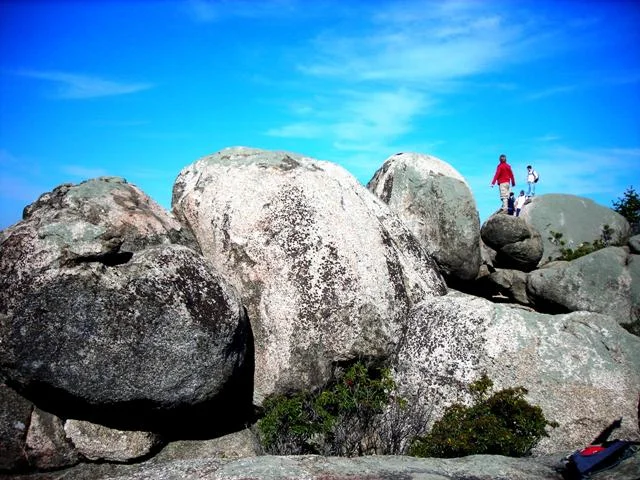
The case for spring: the timed-entry reservation system ($10/vehicle) still applies, but the fall foliage crowds are months away. Weekday mornings in April are as close to manageable as Old Rag gets. The main lot fills before 8:30am on Saturdays regardless of season, so plan accordingly. On weekend mornings you’ll find hikers queued on the rock scramble, which creates bottlenecks that can add an hour to your day. Arrive before 7am or go on a Tuesday.
Birch Knob Observation Tower is a legitimate spring destination that doesn’t get the attention it deserves. The out-and-back runs 8 to 9 miles in the Jefferson National Forest near Breaks Interstate Park in southwest Virginia. The tower sits above the tree line with a 360-degree view and on a clear day you’re looking into three states. AllTrails users consistently call April the sweet spot: overcast days in the 60s with manageable crowds, before summer heat and weekend congestion make the lot impossible. The parking situation gets ugly fast on holiday weekends, with towing reported regularly. Arrive before 7am on weekends. The final mile gets rocky and rooted.
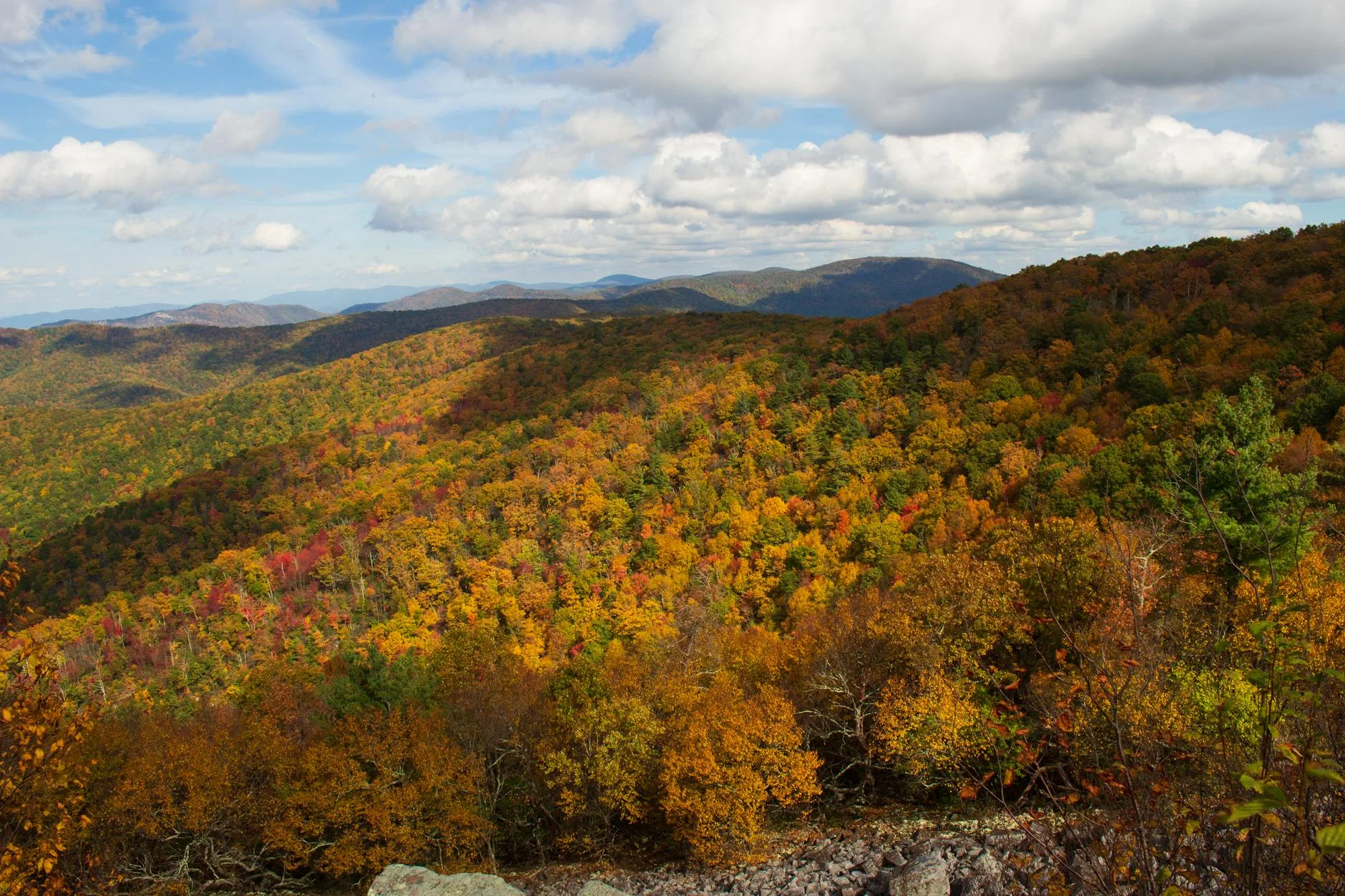
Bears Den Overlook on the Appalachian Trail in Clarke County, Virginia is the easy spring pick. It’s a 2-mile loop with minimal elevation gain to a series of quartzite rock ledges on the AT, about an hour from DC. Easy. Views look east over the Virginia Piedmont. Wildflowers are the draw in April — the trail passes through sections of open forest that light up before the canopy closes. It’s not a challenging hike, but “easy enough to bring your dog and your mom” is a category that gets underserved. The parking lot fills on nice weekend afternoons, so earlier is better.

Best Pennsylvania Spring Hikes?
Pennsylvania has the shortest spring window for waterfalls. By late spring the flow drops off fast. Go in April if you want full-volume cascades.
Glen Onoko Falls in Jim Thorpe is the best waterfall hike in Pennsylvania, and spring is the only reason to make it a priority. Three waterfalls stacked in 1.5 miles, with the main falls running nearly 80 feet in a single drop. In April with snowmelt coming off the Poconos the falls are legitimately impressive. By August, they’re a trickle. The trail itself is genuinely steep. The stone steps are slippery when wet, and in spring that’s almost always. The climb back is harder than it looks. Don’t treat the short distance as a signal that it’s easy. Wear traction you trust.
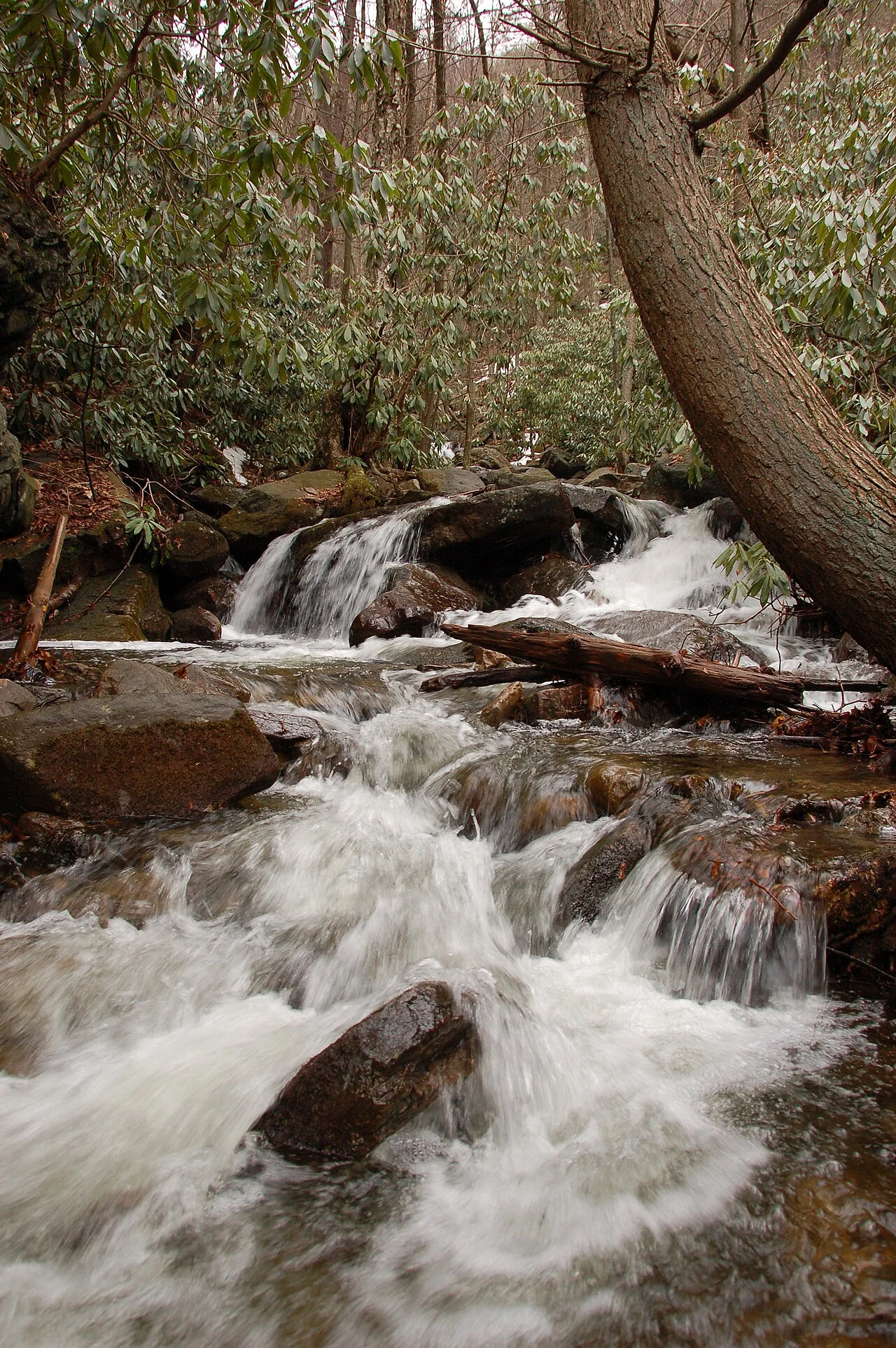
The area was closed for several years after fatalities on the unofficial scramble route. The official trail is open and well-marked; stay on it. The parking situation in Jim Thorpe can be tight on spring weekends. Get there before 10am.
Best Spring Hikes in New York?
The Hudson Valley and Catskills are within a reasonable drive of most of the Northeast, and both come alive in spring.
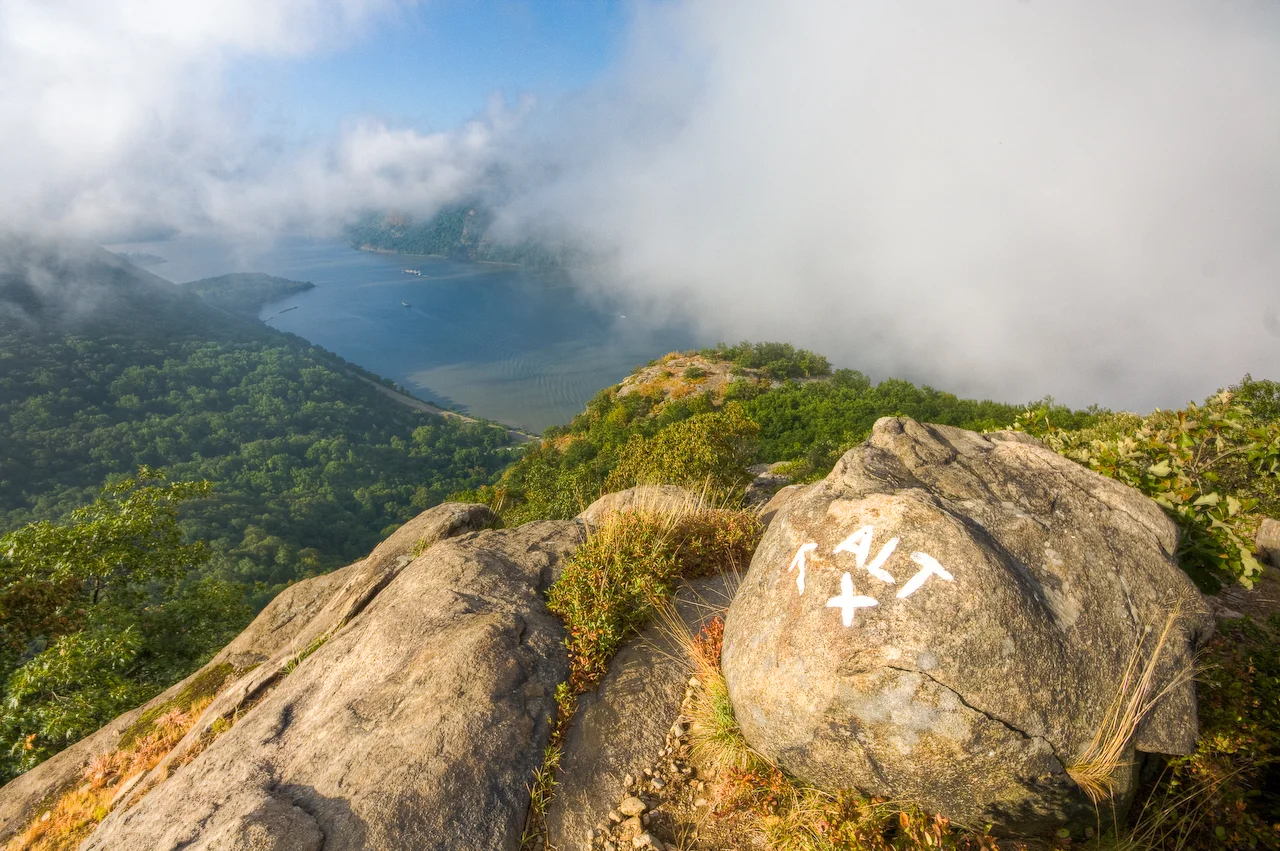
Anthony’s Nose on the Hudson River is a 2-mile round trip to a ridgeline overlook above Bear Mountain. The first half mile is steep and rocky, more of a scramble than a walk, and then it levels off on the ridge with Hudson River views looking north. The whole thing takes about an hour round trip. Early spring brings mud and snowmelt hazards, so late April through the spring window is the sweet spot. It’s a short hike, but the view-to-effort ratio is genuinely good. The trailhead parking is limited. If you roll in after 8:30am on a weekend, expect to wait for a spot.
The Blackhead Range in the northern Catskills is an 8-mile loop hitting three peaks: Blackhead, Black Dome, and Thomas Cole, with about 2,200 feet of gain. The standard winter approach has ice and post-holing that makes it an expedition. In spring, once the snow is off, it’s a serious but manageable day hike. Black Dome and Blackhead both have open summit views across the escarpment. Thomas Cole is forested and viewless — you do it for the completeness. Go on a weekday in late April if you can; the parking lot fills by 9 or 10am on weekends even in shoulder season. This one is in my regular rotation for late April when the Catskills aren’t yet crowded with leaf-peepers.
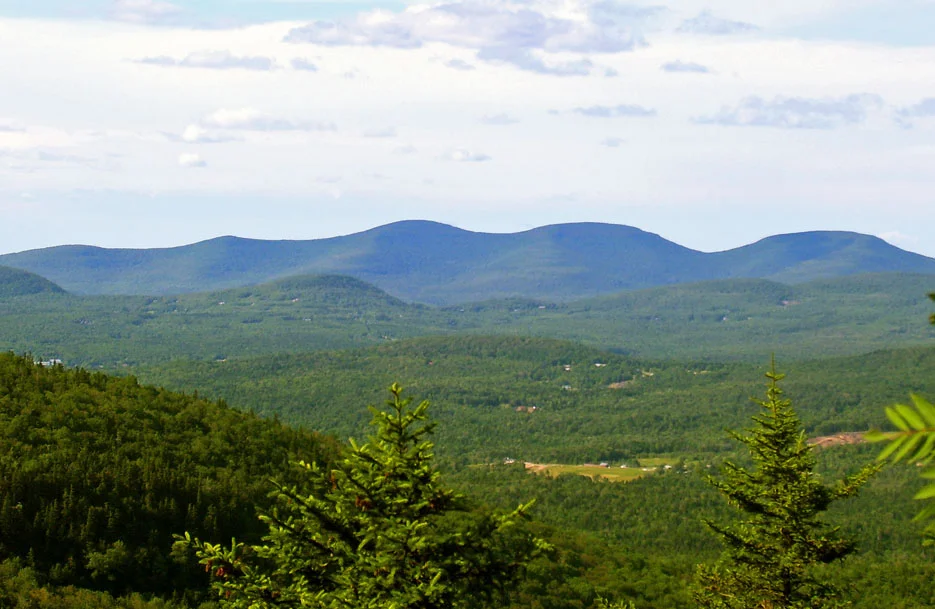
West Virginia in Spring?
West Virginia has some of the best hiking on the East Coast and most people ignore it. That’s their loss.
Beartown State Park near Hillsboro in Pocahontas County is the trail that earns its reputation quietly. A 1.5-mile loop through Beartown Rocks — a surreal jumble of Tuscarora sandstone boulders with a network of narrow slot canyons and squeeze-throughs. The kind of place where the map stops being useful, and you follow the cairns and the sound of your own footsteps echoing off stone walls. Spring brings ferns and wildberries beginning to green up along the boardwalk sections. Fall gets more attention. April is better. The terrain is unlike anything else in the region. About 5 hours from DC, which makes it a dedicated day trip or overnight.
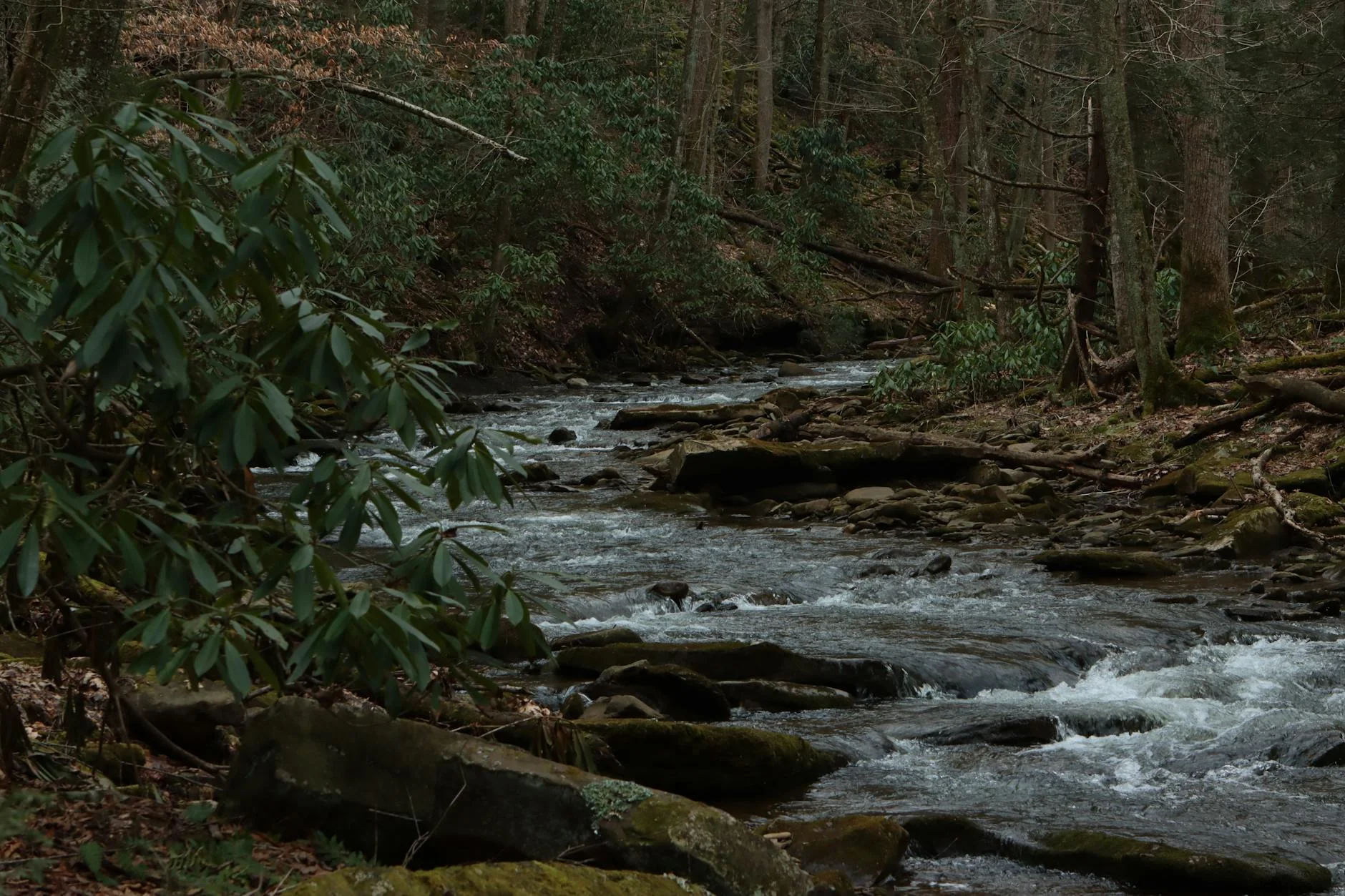
New England Spring Hikes Worth Doing
New England spring means mud season. Late April is iffy at elevation. Late spring through June is the window.
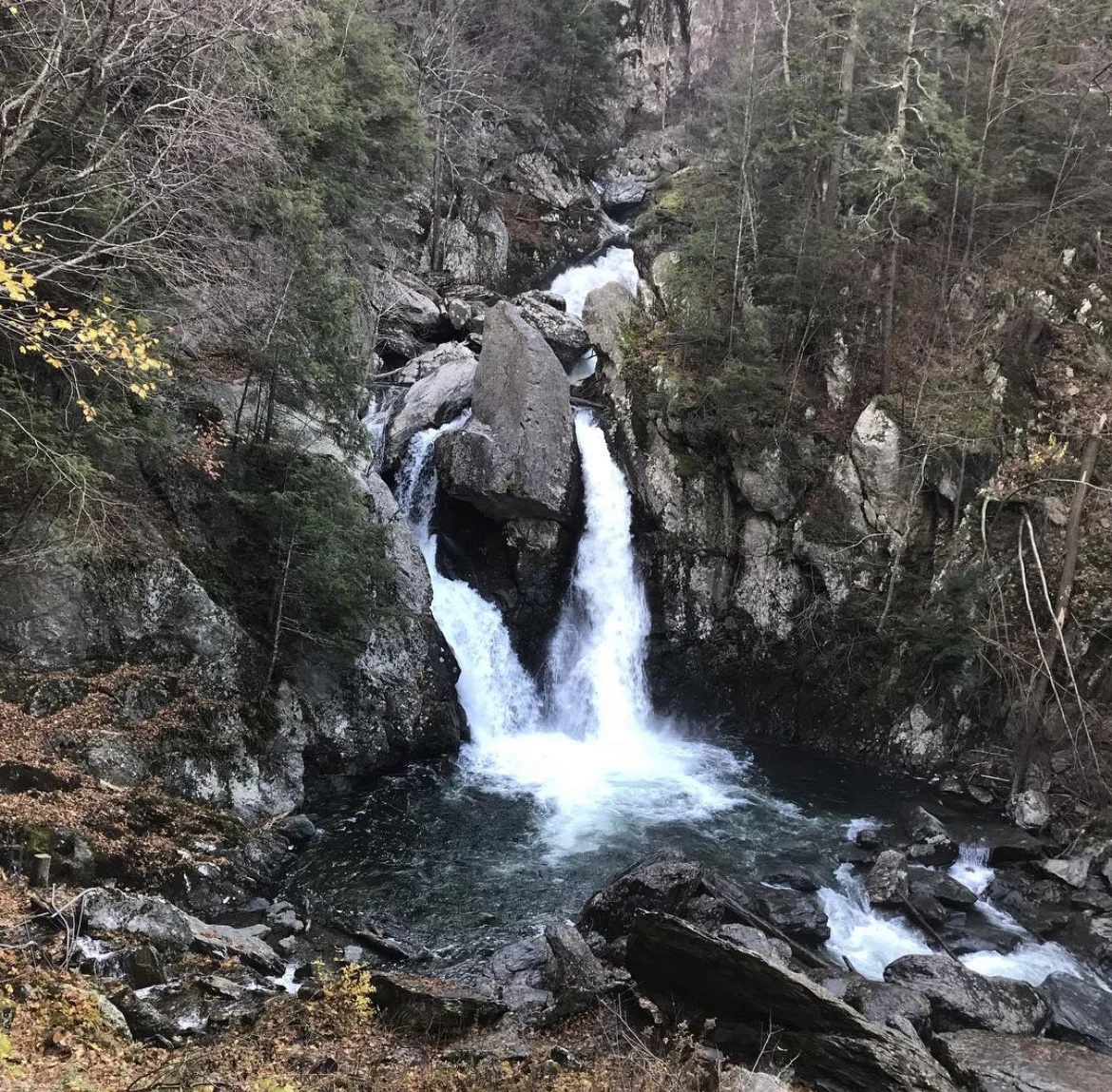
Bash Bish Falls is a 200-foot cascade on the Massachusetts-New York border in the southern Berkshires. Spring is the reason to make the trip. The waterfall runs hard on snowmelt and spring rain; by late summer it’s significantly reduced. Two approaches exist. The Massachusetts side is short and steep, about 1.5 miles round trip, with rocky steps that get slippery when wet. The New York side is longer and more gradual. Most people do the MA side. Parking fills on nice weekends, but mid-week in April is generally quiet. The drive from the Berkshires or Pioneer Valley takes about 30 minutes; from New York it’s about 2.5 hours.
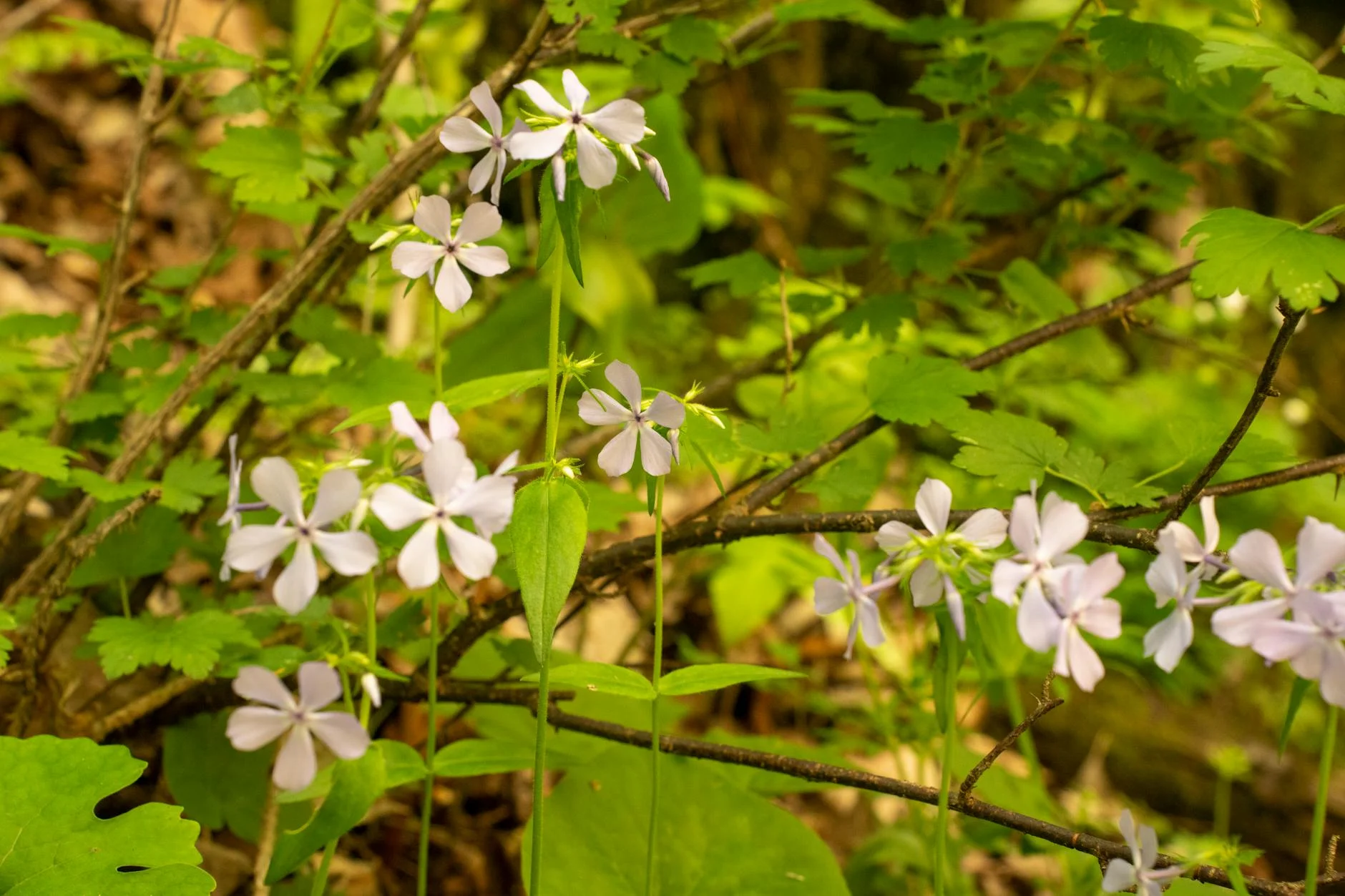
Quechee Gorge in Vermont is the flattest “hike” on this list. The gorge trail is wide gravel, nearly stroller-accessible, with one steep descent to the gorge floor. Spring is the legitimate time to be here: wildflowers on the gorge walls, birding is active, and the creek runs full. The falls have real volume in April and early spring. The bridge side near the visitor center gets tourist traffic; the Dewey Pond and dam side is noticeably quieter. Budget an hour. If you’re already in the Upper Valley area for other reasons, this is the obvious add.
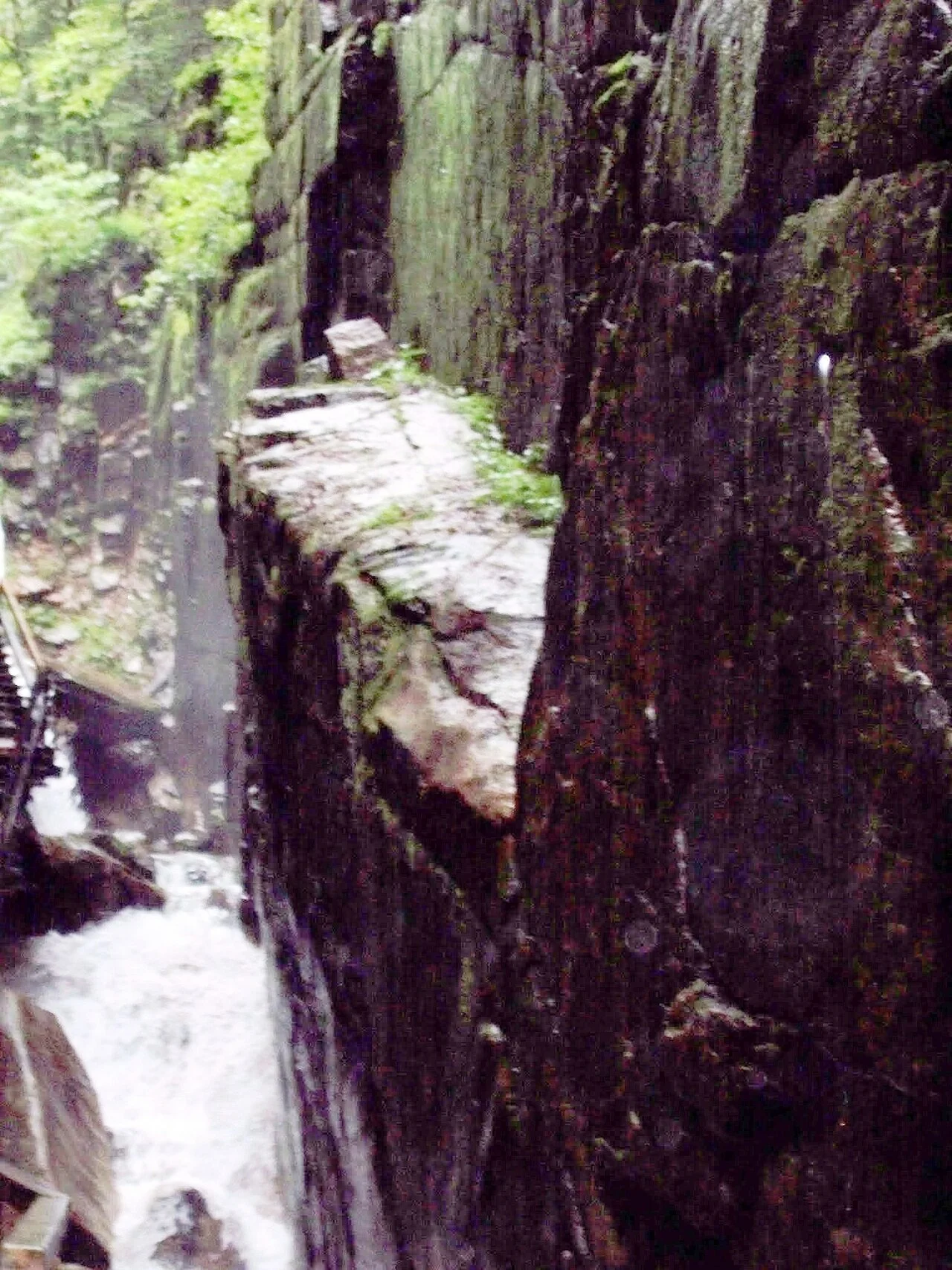
Flume Gorge in Franconia Notch State Park is the serious hike on the New England list. The distance is listed as 4.6 to 5 miles, but the route consistently runs longer on GPS. Several hikers clock 5.5 or more. The trailhead is near the Pemigewasset River and the route climbs steeply past cascades before gaining the ridge on the Willey Range Trail. Multiple hikers note they underestimated it based on the mileage. In New Hampshire’s terms this is a hard day, not a moderate one.
The spring window here is narrower than farther south. March and April can be passable with microspikes but often isn’t worth the effort. Late spring through early October is the sweet spot. The summit overlook can get crowded at midday; start early, and you’ll have the upper trail to yourself. The Whites are unforgiving if you’re not prepared — check the Mount Washington Observatory forecast before any Franconia Notch hike and bring more layers than you think you need.
What Should I Know About Hiking in Spring on the East Coast?
Mud season is real. The ground doesn’t freeze and dry out the way it does out west — it saturates. March through mid-April on most mid-elevation trails means slippery roots and soupy switchbacks. Footing will destroy running shoes. Waterproof boots with real lug soles aren’t optional in early spring. Some trails actively request you stay off until they dry out.
Ticks. They emerge in April and peak through June. Wear long pants and tuck your socks. Check yourself after every hike. Deer ticks carrying Lyme disease are a real concern from Virginia through New England. This is not a theoretical risk.
Waterfall timing. Most East Coast waterfalls peak in March and April on snowmelt and rain. By June many are significantly reduced. If waterfalls are the reason for the trip, don’t wait until Memorial Day weekend.
Crowds are still a factor. The first warm Saturday in April brings everyone who’s been cooped up all winter to the popular trailheads. Old Rag, Shenandoah, Harriman, the White Mountains — all of them see big weekend crowds starting in April. Spring weekdays are a different experience than spring weekends.
Spring Hiking FAQ
When is spring hiking season on the East Coast?
For most mid-Atlantic and mid-elevation trails — Virginia, Maryland, Pennsylvania, lower New York — late April through late spring is the reliable window. Mud season dominates March and early April. New England trails at elevation often aren’t clear until late spring or early June.
Is spring a good time to hike the Appalachians?
It’s a genuinely good time, especially from mid-April onward. The crowds that define October are absent. The wildflowers in the Virginia section of the AT — particularly around Shenandoah and the Blue Ridge — are at their best in late April. The main challenge is mud and ticks.
What are the best East Coast hikes for spring waterfalls?
Glen Onoko Falls (PA), Bash Bish Falls (MA/NY border), the Shenandoah waterfall trails (South River Falls and Whiteoak Canyon), and Kaaterskill Falls in the Catskills all run best in spring. Go before Memorial Day.
Are East Coast trails muddy in spring?
Yes, especially below 4,000 feet in March and early April. Higher trails in New Hampshire can hold mud well into late spring. The worst mud is on the descent — downhill on wet clay is what turns ankles and destroys knees. Post-holes are common at elevation in early spring and cause significant trail damage; the White Mountains and Catskills ask hikers to stay on trail or turn back when conditions are bad.