
Giant Ledge — Catskills
Photo: The original uploader was Daniel Case at English Wikipedia.
(CC via Wikimedia)
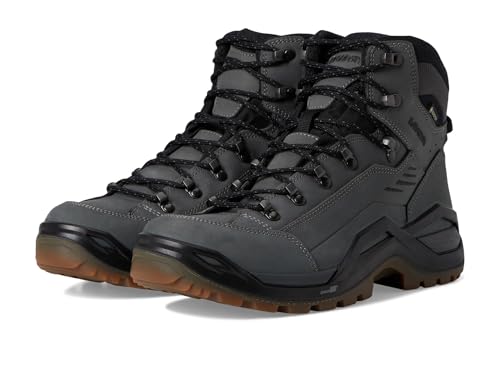 LOWA Renegade EVO GTX MidGORE-TEX, 3 widths, resolableCheck price on Amazon →
 Hydro Flask Wide Mouth 32ozinsulated, durableCheck price on Amazon →
 Osprey Talon 22ventilated back, pole carryCheck price on Amazon →
 Adventure Medical Kits Ultralight Watertight .7day-hike specific, waterproofCheck price on Amazon →
 Black Diamond Spot 400-Rrechargeable, comfortableCheck price on Amazon →
Giant Ledge is the trail that converts people into Catskill hikers. The 1.6-mile climb from the Slide Mountain parking area gains about 1,000 feet on a well-worn path through mixed hardwoods. The trail has steep rocky sections that require attention, but nothing that demands hands-on scrambling. The footing is standard Catskills — roots and rocks with some muddy patches in the lower sections.
The ledge itself is a series of exposed rock outcrops jutting out over the Slide Mountain Wilderness. The views are immediate and expansive. Slide Mountain, the highest peak in the Catskills, dominates the western view. The valley below falls away steeply enough to feel like genuine exposure without any actual danger.
There are multiple ledge outcrops along the ridgeline, each with a slightly different angle on the view. The first one you reach is not the only one. Walk along the ridge trail to find quieter spots if the main ledge is crowded. Some of the smaller outcrops have better angles on Slide Mountain and offer more solitude on busy days.
The forest on the approach is classic Catskill hardwood — tall maples and beeches with ferns covering the forest floor. In fall, the canopy turns gold above you before you even reach the ledge. The transition to spruce near the top signals you are close to the ridge.
From Giant Ledge, a spur trail continues 1.5 miles to Panther Mountain, a Catskill 3500 peak. Panther’s actual summit has no view — continue just past it to the “mountain view” overlook for a worthwhile payoff that most hikers miss. The extension adds meaningful difficulty, especially in winter when the scramble sections ice over.
Giant Ledge alone is at the upper end of moderate. The climb is manageable for anyone with reasonable fitness, and the 3.2-mile round trip keeps the total commitment short. The steep sections near the trailhead are the hardest part — if you get through the first half mile, the rest is no worse.
Adding Panther Mountain pushes the hike into genuinely challenging territory. The additional 3 miles include scramble sections, steeper terrain, and enough extra vertical to tire most hikers. In winter, the extension adds ice and post-holing risk that can more than double the time.
Giant Ledge is the right difficulty test for the Catskills. If it feels comfortable, you’re ready for Slide Mountain or Wittenberg-Cornell. If it wrecks you, recalibrate before attempting the harder peaks.
Giant Ledge is good in every season except mud season (April-May). Fall foliage from the ledge is the marquee experience — the Slide Mountain Wilderness below you turns peak color in mid-October. Summer is pleasant with early starts. Winter with microspikes is popular and the snow-covered views are striking.
The critical planning factor is parking. The lot fills by 11 AM on weekends and there is no overflow. Weekday mornings and dawn starts on weekends see significantly fewer people. Late afternoon arrivals (3:30 PM or later) also find reduced crowds, and the evening light on the ledges is worth the later start.
The trailhead is on Slide Mountain Road (County Route 47) between Big Indian and Phoenicia. The parking area holds about 25 cars. A $10 parking fee applies. No restrooms at the trailhead. The nearest facilities are in Phoenicia, about 20 minutes away.
Cell service is unreliable. The trail is well-blazed with DEC markers. Rock hop through the muddy lower sections to keep your feet dry — fighting through the mud is worse than finding the dry line through the rocks.
Dogs are allowed on leash and handle this trail well in dry conditions. The rocky sections can be tough on paw pads in summer heat. Bring water for your dog — there are no reliable water sources on the trail to the ledge.
The drive from NYC is about 2.5 hours via the Thruway to Route 28. From the Catskills corridor, the trailhead is centrally located and accessible from multiple directions.
In winter, start with microspikes from the parking lot. The trail ices over early in the season and the steep lower sections become the most treacherous part of the hike. Snowshoes are useful in deep powder but microspikes handle the packed-down conditions that prevail on this popular trail. Hiking poles make a significant difference on both the ascent and descent.
Water is scarce on the trail. Carry everything you need from the car. In summer, the exposed ledge gets hot and you will drink more than you expect. One liter per person is the minimum for this short hike. For the Panther extension, carry two.
The moment you step onto the first ledge and the valley drops away, you understand why this is the most popular hike in the Catskills. The scale of the view catches you. The Slide Mountain Wilderness stretches out below like a topographic map come to life. Most hikers sit on the ledge for longer than they planned.
In fall, the ledges become a destination. The blueberry bushes that line the rock turn deep crimson, and the hardwood forest below is every shade of orange and red. Photographers line up at the edges. It’s one of the few spots in the Catskills where the view genuinely rivals anything in the Adirondacks or White Mountains.
If you only do one hike in the Catskills, Giant Ledge is the right choice. It gives you the signature Catskill experience — steep climb, exposed ledge, wilderness views — in the shortest distance. Everything harder builds on what Giant Ledge teaches you about Catskill hiking. And on a clear day, that ledge is hard to leave.
LOWA Renegade EVO GTX MidGORE-TEX, 3 widths, resolableCheck price on Amazon →Hydro Flask Wide Mouth 32ozinsulated, durableCheck price on Amazon →Osprey Talon 22ventilated back, pole carryCheck price on Amazon →Adventure Medical Kits Ultralight Watertight .7day-hike specific, waterproofCheck price on Amazon →Black Diamond Spot 400-Rrechargeable, comfortableCheck price on Amazon → Patagonia Torrentshell 3L Jacketdurable, trail + everydayCheck price on Amazon →
 Darn Tough Hiker Micro Crew Midweightlifetime warrantyCheck price on Amazon →
 Black Diamond Pursuit Trekking Polescork grip, lightweightCheck price on Amazon →
 Sawyer Squeeze Water Filterultralight, standard threadsCheck price on Amazon →


