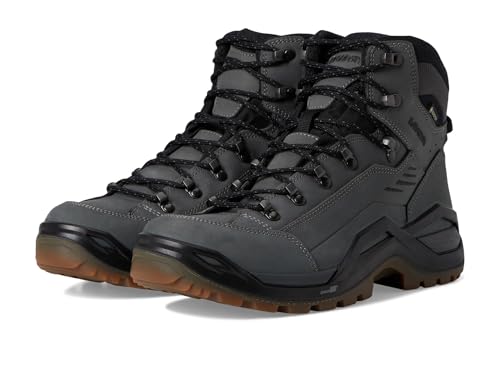
 LOWA Renegade EVO GTX MidGORE-TEX, 3 widths, resolableCheck price on Amazon →
 Hydro Flask Wide Mouth 32ozinsulated, durableCheck price on Amazon →
 Osprey Talon 22ventilated back, pole carryCheck price on Amazon →
 Adventure Medical Kits Ultralight Watertight .7day-hike specific, waterproofCheck price on Amazon →
 Black Diamond Spot 400-Rrechargeable, comfortableCheck price on Amazon →
Boulder Field at a glance: A 16-acre plain of bare rock in Hickory Run State Park (a National Natural Landmark left over from the last ice age) that you can reach two very different ways. Drive right to its edge, or earn it with the 6.5-mile round-trip Boulder Field Trail, a quiet forest walk that is gentle on the legs but famously muddy. However you arrive, budget time to wander out across the rocks, wear boots with ankle support, and expect one of the strangest sights in Pennsylvania.
Nothing else in a Pennsylvania state park looks like this. The boulder field at Hickory Run is a flat, treeless expanse of stacked rock roughly 400 feet wide and 1,800 feet long: no soil, no vegetation, just boulders ranging from footstool to compact car, running to a depth of about twelve feet. It has looked essentially the same for 20,000 years, and walking out to the middle of it feels like stepping onto another planet while the surrounding ridgelines watch from the treeline.
The field is a relic of the last ice age, when the glacier’s edge stalled just north of here. Thousands of years of freeze-and-thaw cycles shattered the local sandstone and conglomerate, and slow-moving frost action sorted and rafted the fragments into the level plain you see today. That origin earned it National Natural Landmark status, and it explains the field’s strangest quality: the surface is remarkably flat for something made entirely of jumbled rock.
There are two ways in. The honest way is the Boulder Field Trail, about 3.2 miles each way from the trailhead on Route 534 near the Hawk Falls parking area. The walking is gentle, with around 600 feet of gradual gain spread over the whole distance, through pretty mixed forest with rhododendron crowding the path in stretches. Yellow blazes mark the way and navigation is easy. The catch is mud. The middle miles hold standing water long after rain, sections can flood into a slow-moving stream in spring, and roots and rock keep your eyes down. It is also genuinely quiet; while the drive-up lot cycles carloads, the trail itself sees only a handful of hikers even on busy weekends.
The other way is to drive: park roads lead to a lot at the field’s northern edge, so the spectacle is available for the price of a short stroll. Hikers who walk in should brace for the mild deflation of cresting the final rise to find parked cars across the rocks. Either way, the real activity starts at the edge. There is no path across the field, so you pick your own line, boulder to boulder, at whatever pace your ankles allow. Most people spend a happy half hour or more just wandering. Hawk Falls, a 25-foot waterfall reached by its own short trail off Route 534, is the standard add-on and worth the extra 45 minutes.
The hike itself is easy to moderate — the distance is real but the grade never is, and fit kids handle it without drama. The difficulty is almost entirely conditions. In a dry week the walk is a pleasant forest cruise; after rain it becomes an exercise in mud management, and hikers regularly report soaked feet, improvised detours around flooded stretches and one or two log crossings. Waterproof boots are the difference between a good day and a grim one.
The boulder field is its own category. Crossing it means continuous rock-hopping on uneven, occasionally wobbly stones with gaps between them, and it punishes inattention. This is where the ankle injuries happen, not on the trail. Take it slowly, test big steps, and keep small children within arm’s reach near the edges. Anyone unsteady on their feet can enjoy the view from the perimeter without venturing far.
The field works in every season, and each one changes its character. Fall drapes the surrounding forest in color and firms up the trail; October is the best all-around month. Summer brings the most visitors, since the park’s lake, pool and campground fill with families, but morning starts beat both the crowds and the heat. Spring has the fullest streams and the worst mud; expect the trail’s wet stretches at their most ambitious through May.
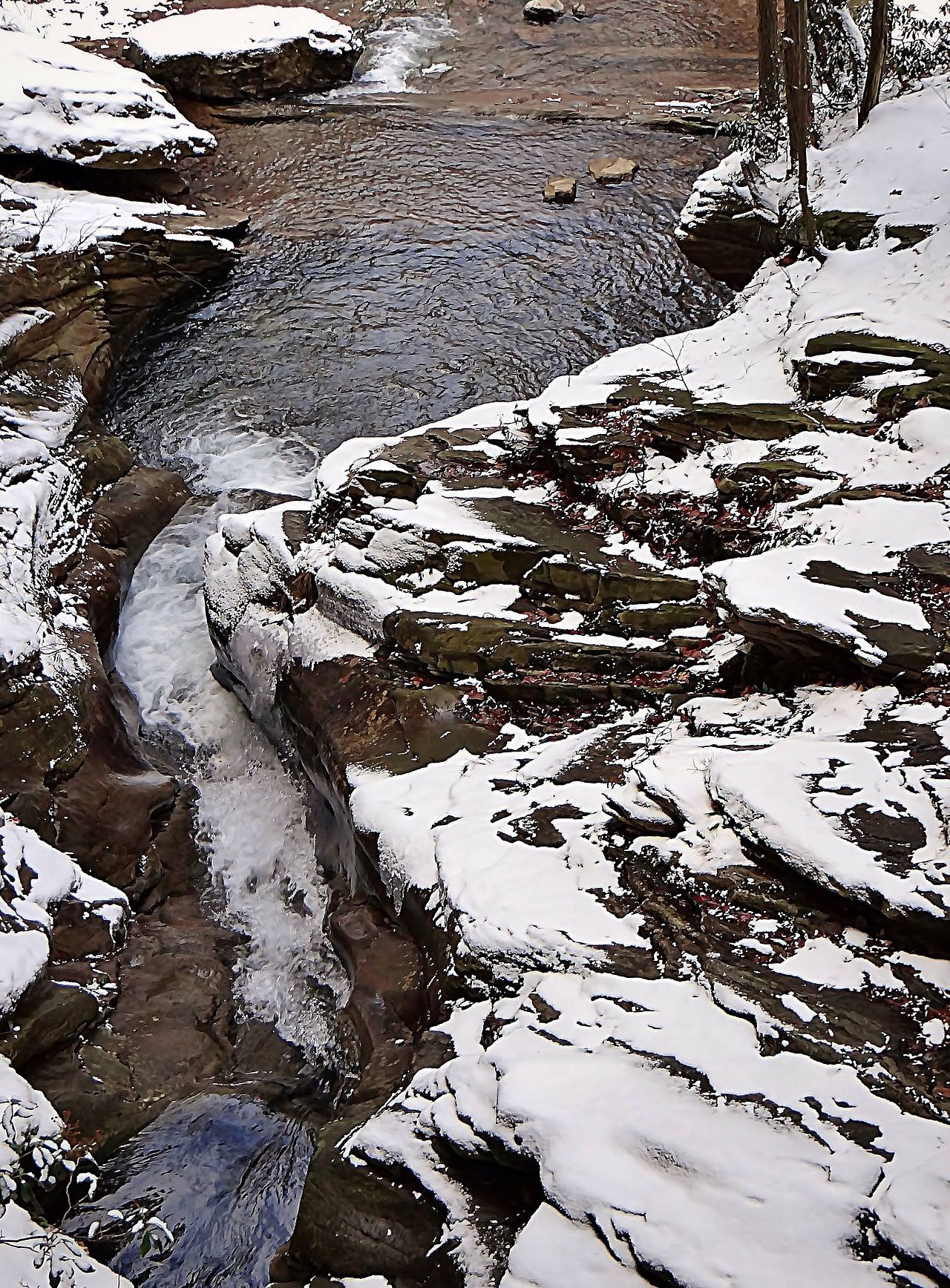
Winter might be the sleeper pick. Snow settles into the gaps between boulders and turns the field into something even more otherworldly, and snowshoers use the trail regularly. The park road to the drive-up lot closes seasonally in winter, which means the people standing on the snowy field earned it on foot. It is the one time of year when the hike is the only way in. Ice on the rocks makes venturing far across the field a bad idea then; the view from the edge is the prize.
Hickory Run State Park sits off I-80 at Exit 274 in Carbon County, about 90 minutes from Philadelphia and under two hours from New York. There is no entrance fee. For the hike, park at the Route 534 trailhead near Hawk Falls; for the short version, follow park signs to Boulder Field Road and the lot at the field itself. Restrooms are at the park office area, not at the field, and cell service is spotty throughout the park.
Dogs are welcome on leash and manage the forest trail happily, but the boulder field is hard on paws and harder on dog logic — most do better waiting at the edge than scrambling across. Bring water for the full hike; there is none along the way that you would want to drink untreated.
Give the day room to breathe. The combination that works is the trail in, a long unhurried wander on the rocks, the walk back, then Hawk Falls on the way out: a half-day outing built around a sight you will not see anywhere else in the state.
The Boulder Field Trail holds a 4.4 rating from more than 1,300 hikers, and the deductions are traceable to a single culprit: mud. Wet-season reviews read like flood reports, while dry-season reviews wonder what everyone was complaining about. Almost nobody dings the destination itself — the field reliably lands as the highlight, with plenty of hikers reporting their kids logged an extra mile of gleeful rock-hopping on top of the walk in.
The practical consensus is easy to follow: wear waterproof boots, go in fall or after a dry spell, start early in summer, and treat the field crossing with more respect than the trail. Whether you hike the six and a half miles or drive to the edge, the first sight of that gray sea of rock through the trees has the same effect. People stop and stare, then reach for their cameras.
LOWA Renegade EVO GTX MidGORE-TEX, 3 widths, resolableCheck price on Amazon →Hydro Flask Wide Mouth 32ozinsulated, durableCheck price on Amazon →Osprey Talon 22ventilated back, pole carryCheck price on Amazon →Adventure Medical Kits Ultralight Watertight .7day-hike specific, waterproofCheck price on Amazon →Black Diamond Spot 400-Rrechargeable, comfortableCheck price on Amazon → Patagonia Torrentshell 3L Jacketdurable, trail + everydayCheck price on Amazon →
 Darn Tough Hiker Micro Crew Midweightlifetime warrantyCheck price on Amazon →
 Black Diamond Pursuit Trekking Polescork grip, lightweightCheck price on Amazon →
 Sawyer Squeeze Water Filterultralight, standard threadsCheck price on Amazon →
_(9290295228).jpg?width=800)