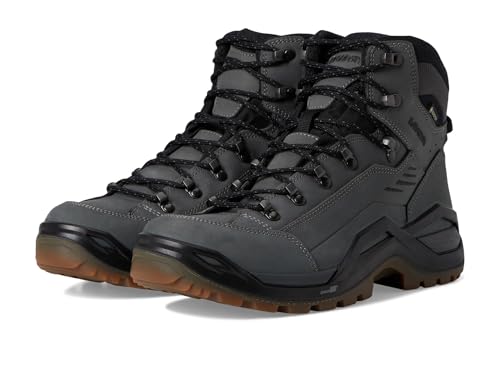
 LOWA Renegade EVO GTX MidGORE-TEX, 3 widths, resolableCheck price on Amazon →
 Hydro Flask Wide Mouth 32ozinsulated, durableCheck price on Amazon →
 Osprey Talon 22ventilated back, pole carryCheck price on Amazon →
 Adventure Medical Kits Ultralight Watertight .7day-hike specific, waterproofCheck price on Amazon →
 Black Diamond Spot 400-Rrechargeable, comfortableCheck price on Amazon →
Ringing Rocks at a glance: An easy 0.8-mile loop in Bucks County built around a genuine oddity — an eight-acre field of boulders that chime like bells when struck with a hammer. Bring an actual hammer; that detail makes or breaks the visit. A seasonal waterfall a short walk past the rocks adds a second stop in spring. Free, kid-perfect and dog-friendly, with a small lot that fills by mid-morning on nice weekends.
Ringing Rocks County Park is the rare hike where the packing list starts with a hammer. The park’s eight-acre boulder field looks like a dozen others in Pennsylvania until someone taps a rock and it rings: a clear, metallic chime closer to a bell than to anything stone should produce. Geologists have poked at the phenomenon for more than a century without settling it, roughly a thousand visitors have rated the short loop at 4.5 stars, and the one-word review that keeps recurring is some version of “weird,” meant affectionately.
The loop runs about 0.8 miles from the gravel parking lot, through hardwood forest on a rocky, rooty path, and opens onto the boulder field within a few minutes. The field is the event: a sloping expanse of diabase boulders, bare of soil and trees, big enough that groups spread out and the tapping of hammers carries across it like distant wind chimes. The rocks range from carry-it-home size to several tons, and picking a route across them is half the fun and all of the hazard.
The ringing itself rewards a little experimentation. Only some of the boulders ring — the resonant ones sit propped and free to vibrate, while rocks damped by their neighbors answer with an ordinary thud — so the game becomes prospecting across the field for the live ones. A steel hammer on a single rock produces the tone; banging rocks together mostly produces disappointment. The sound is genuinely strange the first time, and watching a kid discover it explains the park’s whole reputation. Theories about trapped internal stresses in the diabase come and go, and the unsolved-mystery angle only helps.
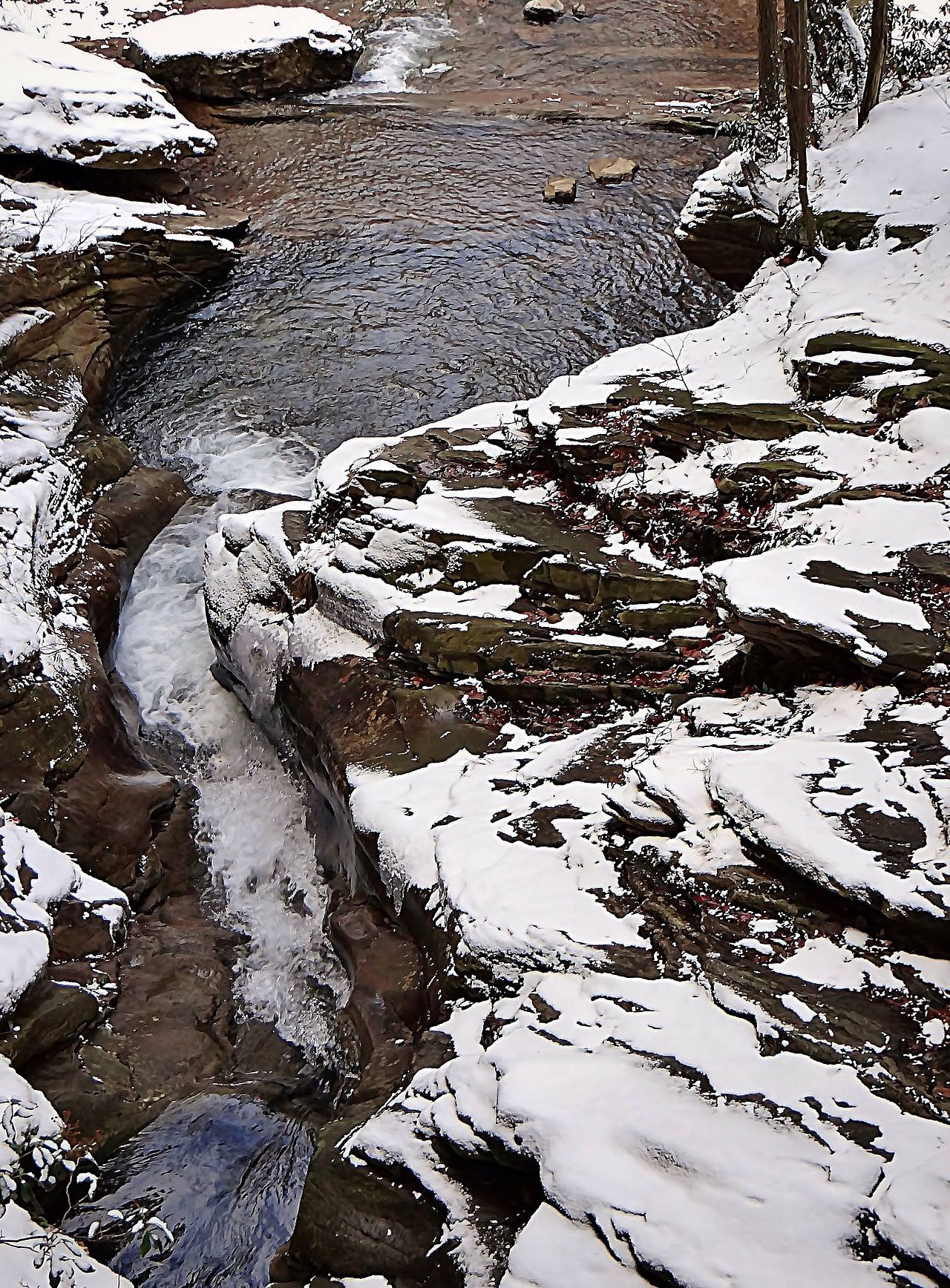
Past the boulder field, the trail continues a quarter mile to a seasonal waterfall where a creek slides roughly 20 feet over a rock ledge — locally billed as the biggest waterfall in Bucks County, which says more about Bucks County than the waterfall. In spring or after a soaking rain it is a legitimately pretty bonus; by August it can dry to a stain on the rock. Treat it as the encore, not the show.
Easy, with an asterisk the size of the boulder field. The trail itself is short and nearly flat, fine for young kids and casual walkers, though rockier and rootier than a park path. The boulder field is a different surface entirely: uneven, occasionally wobbly rock with ankle-eating gaps, and it demands slow feet and attention. Most of the park’s injuries are field injuries, and rushing across wet rock is how they happen.
Anyone with mobility limitations can still get the experience from the field’s edge, where plenty of ringing rocks sit within a few steps of the trail. Wet days change the calculus, because the diabase turns slick in rain, the path holds mud, and several reviewers who visited after storms recommend simply waiting for a dry stretch. This is a fair-weather outing by design.
Spring is the complete version: comfortable temperatures, a flowing waterfall and green woods around the gray field. Fall is its equal for different reasons, with October color ringing the clearing and the low light flattering the rocks. Summer works in the morning before the exposed field bakes, and winter’s bare forest makes the field feel bigger, though ice between the boulders ends any hopping.
Crowds follow social media here, and the park’s fame has outgrown its parking. The gravel lot fills by about 10 on pleasant Saturdays, with spring and fall weekends the worst offenders. A weekday or early-morning visit gets you the field mostly to yourself, which improves both the acoustics and the photographs. Rain in the previous day or two is the tiebreaker: it fills the waterfall but slicks the rocks, so choose which experience you want.
The park is at 95 Ringing Rocks Road in Upper Black Eddy, in the river-bluff corner of Bucks County about 70 to 80 minutes from Philadelphia via River Road. The final approach is a narrow country lane that sedans handle fine and RVs should not attempt. There is no fee, and there are also no restrooms, no water and no staff — a true minimal county park, so arrive self-sufficient.
Bring one hammer per kid, plus one for the adults who claim they only came to supervise. A basic hardware-store ball-peen works perfectly; leave the sledgehammer home, since cracking boulders is both bad form and against the rules, as is carting any rock away. Closed shoes with grippy soles beat sneakers on the field, and a dry-day forecast beats everything.
Dogs are welcome on leash and manage the forest loop easily, but the boulder field is genuinely bad footing for them, so most do better waiting at the edge while the family prospects for the ringing rocks. Cell service is thin in the river valley; download directions before leaving pavement.
The loop holds a 4.5 rating from about a thousand visitors, and the reviews split into a big delighted majority and a small deflated minority who arrived without a hammer or after a rainstorm. The delighted camp is emphatic. Kids report it as a highlight of the year, and adults admit to spending far longer on the field than planned. The word “hammer” appears in these reviews more than any other trail in the state.
The practical consensus is short and firm: bring the hammer, wear grippy shoes, come early on weekends, and add the waterfall only in spring. Ringing Rocks is not a hike in any athletic sense, and it does not need to be. As a geological curiosity with a soundtrack, twenty minutes from the Delaware River’s prettiest towns, it has no duplicate anywhere in the region.
LOWA Renegade EVO GTX MidGORE-TEX, 3 widths, resolableCheck price on Amazon →Hydro Flask Wide Mouth 32ozinsulated, durableCheck price on Amazon →Osprey Talon 22ventilated back, pole carryCheck price on Amazon →Adventure Medical Kits Ultralight Watertight .7day-hike specific, waterproofCheck price on Amazon →Black Diamond Spot 400-Rrechargeable, comfortableCheck price on Amazon → Patagonia Torrentshell 3L Jacketdurable, trail + everydayCheck price on Amazon →
 Darn Tough Hiker Micro Crew Midweightlifetime warrantyCheck price on Amazon →
 Black Diamond Pursuit Trekking Polescork grip, lightweightCheck price on Amazon →
 Sawyer Squeeze Water Filterultralight, standard threadsCheck price on Amazon →

_(9290295228).jpg?width=800)