The Catskills are two hours from Manhattan on the Thruway, and that accessibility is both the best and worst thing about them. Best because you can leave the city at 7am and be on a ridgeline by 9:30. Worst because so can 40,000 other people on an October Saturday. The crowds are manageable if you plan around them. The trails themselves are genuinely excellent. Steep, remote-feeling, with more elevation than most people expect from a range this close to a city of eight million.
I’ve hiked most of these trails multiple times. A few I do every year. Here’s how I’d approach them and what to actually expect.
Quick picks
First Catskills hike? Giant Ledge or Overlook Mountain.
Bringing kids or older adults? North Point at North-South Lake or Kaaterskill Falls (short section).
Going for the challenge? Devil’s Path – Indian Head to Twin, or Wittenberg and Cornell.
Working on the 3500 Club? Slide, Panther, Wittenberg/Cornell, Blackhead Range, Hunter/Rusk, Balsam/Eagle, Table/Peekamoose, Windham High Peak are all on this list.
What Are the Best Beginner Hikes in the Catskills?
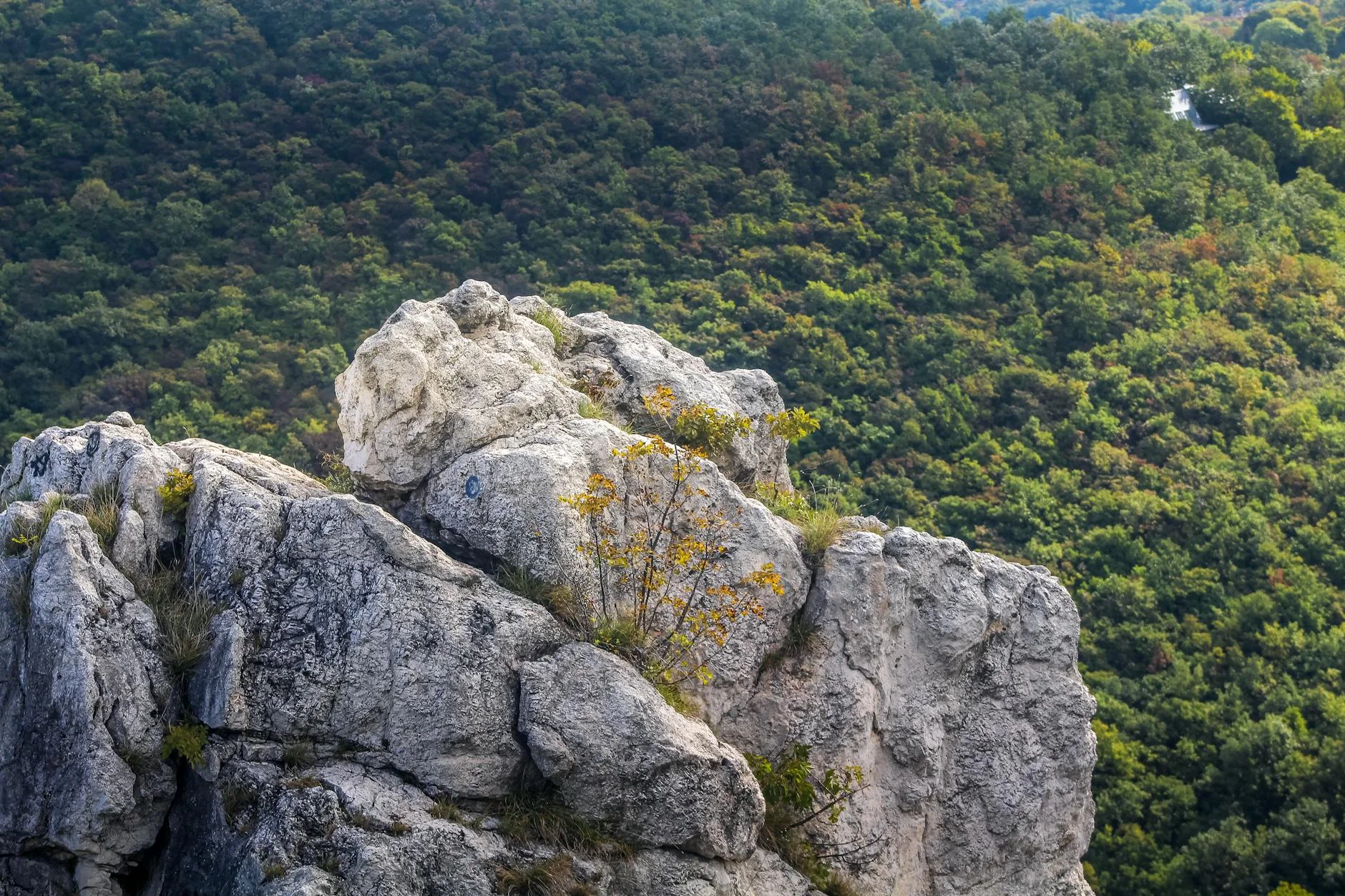
Giant Ledge is the best first Catskills hike. Four miles round trip with 1,400 feet of gain. The payoff is a series of open rock ledges looking south over the Catskill escarpment with Slide Mountain filling the sky. The trailhead is on Oliverea Road and shares a parking area with Panther Mountain. Late September and early October the ledges are busy, but you’re looking out over a mile of forest in full color. The trail surface is rooty and gets slippery when wet – wear real shoes.
Overlook Mountain near Woodstock is the other classic beginner pick. The trail is a wide gravel road, 4.9 miles round trip and 1,400 feet of gain at a completely steady grade. No technical sections, no surprise steepness. The ruins of the old Overlook Mountain House hotel sit on the hillside partway up. The summit fire tower is staffed by volunteers in season and the 360-degree view (Hudson Valley east, Catskill peaks west and north) is worth every step of the monotonous road.
North Point at North-South Lake is the trail I send people to when they want something easy with a legitimate payoff. About 3 miles with 400 feet of gain to a series of open rock ledges on the Catskill escarpment edge, looking east across the Hudson Valley. The campground day-use fee is $5 to $10 depending on season. This is the trail for families and anyone who wants a real view without a brutal climb.
Where Is the Best Waterfall Hike in the Catskills?
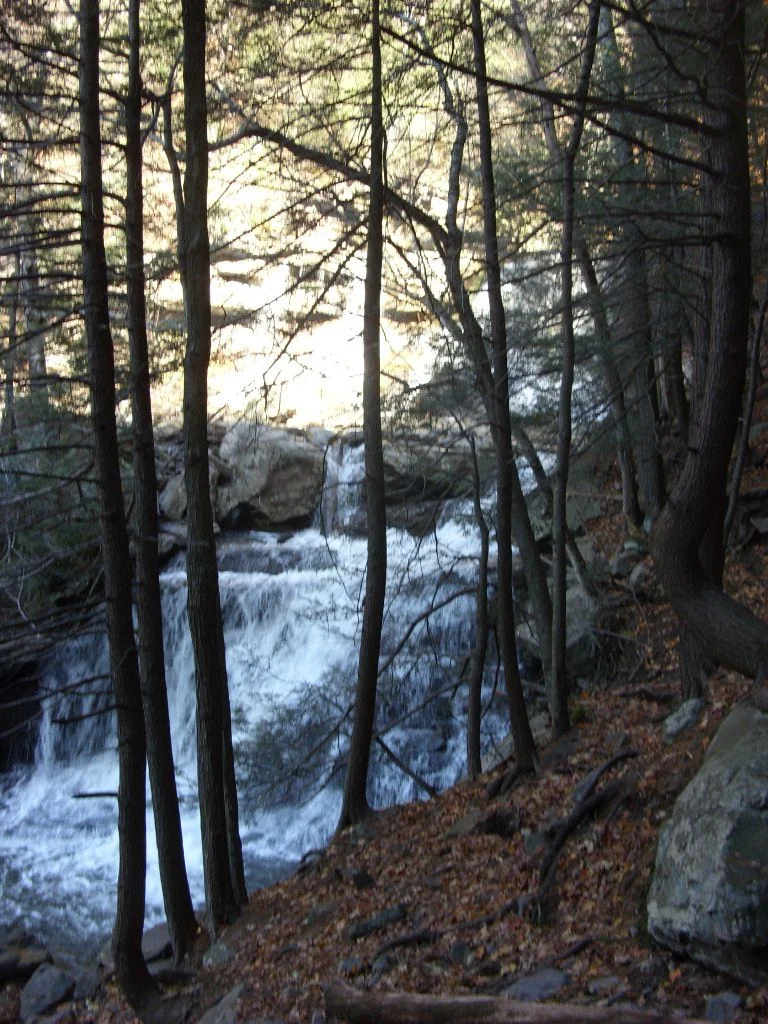
Kaaterskill Falls – 260 feet of cascade in two tiers, the tallest waterfall in New York State. It’s been drawing people out of New York City since the Hudson River School painters made it famous in the 1820s. The trail from the Route 23A parking lot is 1.4 miles round trip, steep and rocky, with a viewing platform at the base and a second viewpoint at the top of the upper tier.
Go in spring when snowmelt has it roaring. Midsummer it can thin out. The parking lot on 23A fills fast on weekends – arrive before 9am or park in Haines Falls and walk in.
Pro tip: The upper viewing area gives you a completely different perspective than the base. Do both if you have the energy for the extra climb.
What Is the Highest Peak in the Catskills?
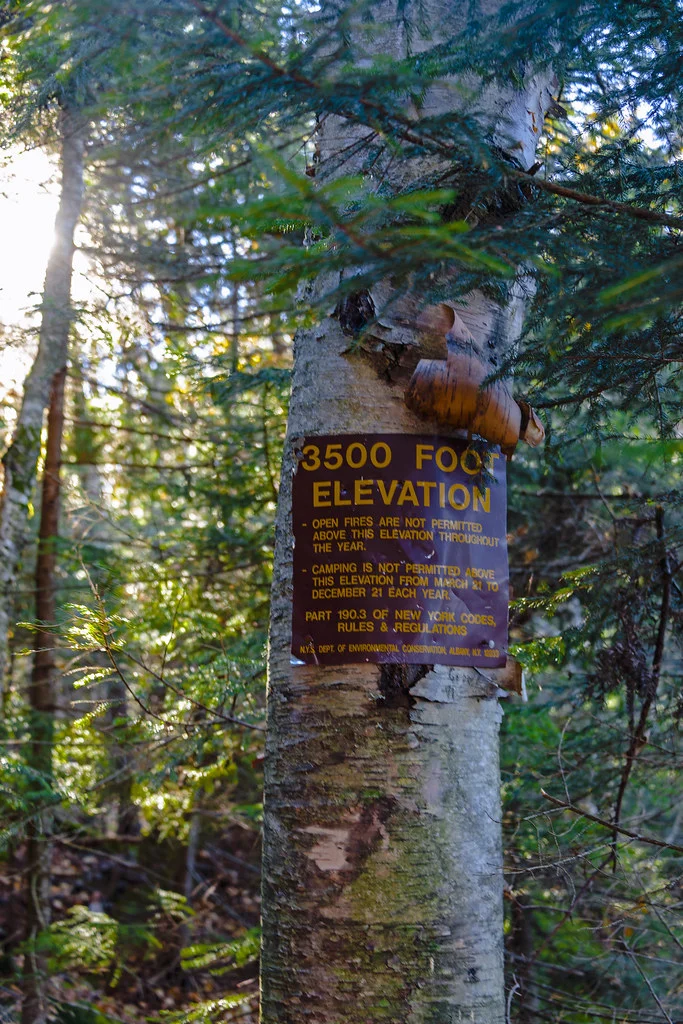
Slide Mountain at 4,180 feet. The standard route from the Slide Mountain trailhead on Oliverea Road is 6 miles round trip with 1,700 feet of gain. The summit is forested with a partial view east from a ledge below the top. Experienced hikers call it moderate to easy. First-timers find it genuinely hard.
The hike itself is solid and the terrain is real. Afterward you understand the scale of the Catskills in a way that flat maps don’t convey. Shares a trailhead with Giant Ledge – pair them if you want a full day.
Pro tip: Go counterclockwise in dry conditions so the rock scramble is ascent not descent. Visit on a cold weekday morning for dramatically fewer people.
Which Catskill Hike Has the Best Summit View?
Wittenberg and Cornell – and it’s not particularly close. The Wittenberg ledge looks south over the Ashokan Reservoir and the whole southern escarpment on a clear day. It is the view people think of when they picture the Catskills. Cornell is 1.2 miles further with a scramble section and a mostly forested summit.
9.8 miles round trip from Woodland Valley with 2,800 feet of gain. Hard. Worth it.
Windham High Peak at 3,524 feet deserves mention too. The summit ledge faces west toward the Blackhead Range – a different angle on the escarpment that’s worth seeing. 6.4 miles round trip, 1,525 feet of gain. More moderate and accessible than Wittenberg/Cornell.
Is Devil’s Path Really the Hardest Trail in the Northeast?
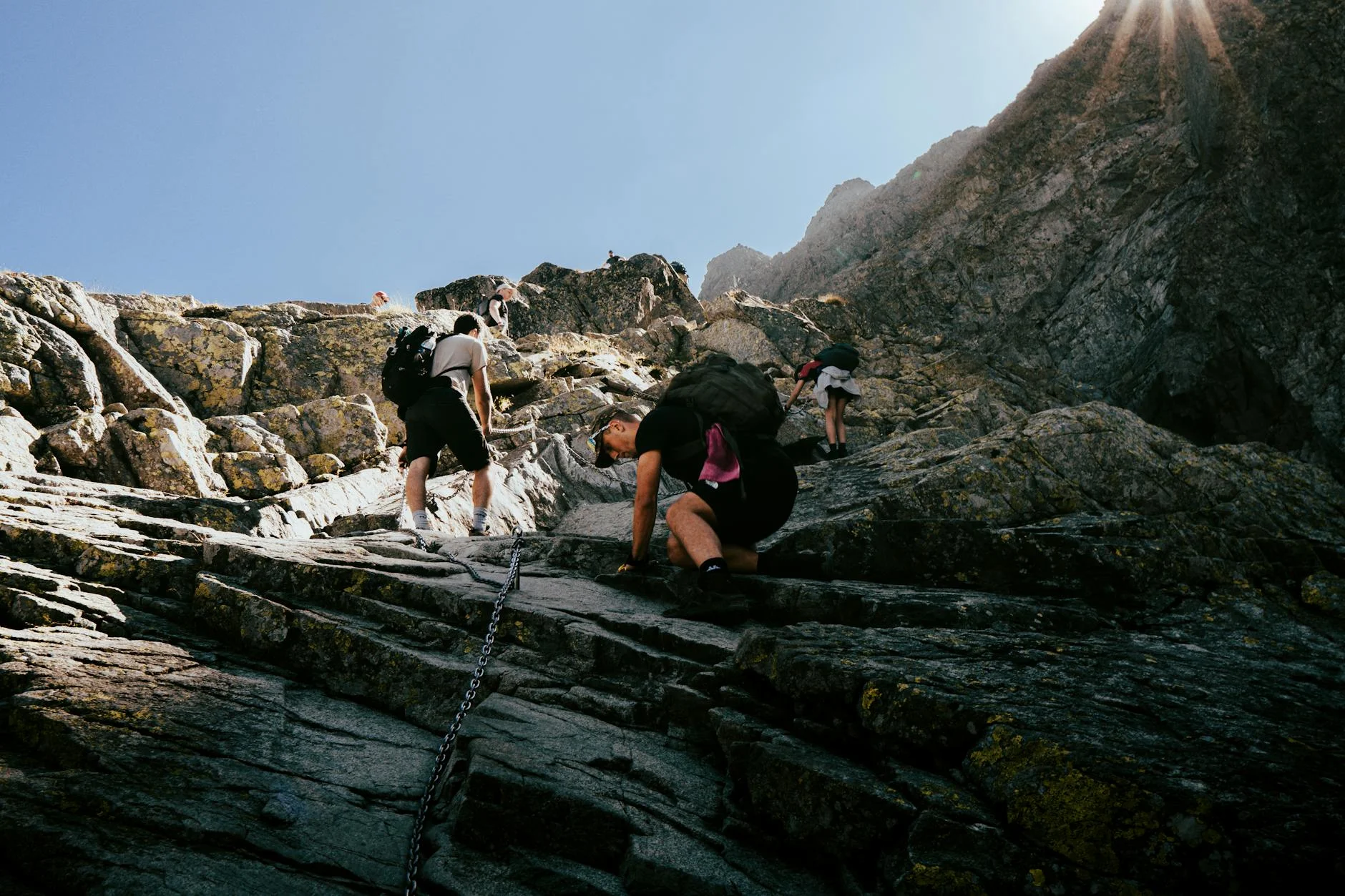
It has a serious claim to the title. Devil’s Path is a 25-mile ridge traverse across some of the steepest terrain in the Catskills, with cumulative elevation gain exceeding 9,000 feet. Most people don’t do it end-to-end in a day. The standard approach is to break it into sections.
The Indian Head to Twin Mountain section is the most popular day-hike portion – about 9 miles with 2,800 feet of gain and multiple exposed scramble sections. The steepness between peaks is relentless. Descents are often loose rock on 30-degree slopes. This is not a trail where you find your rhythm and zone out. You’re working the entire time.
Pro tip: If you want to test yourself before committing to a full Devil’s Path section, do Plateau Mountain from Stony Clove. It’s one of the steepest individual climbs in the range and gives you a honest preview of what the rest demands.
What Are the Best Catskill Hikes for the 3500 Club?
The Catskill 3500 Club requires summiting 35 peaks above 3,500 feet, four of them in winter. Most summits are forested with limited views. You do these for the hiking, not the panoramas. Here are the key ones:
Panther Mountain (3,720 ft) – 6.6 miles round trip, 1,545 feet of gain. Shares parking with Giant Ledge. Steady trail, good footing. Often combined with Giant Ledge on the same day.
The Blackhead Range – Blackhead, Black Dome, and Thomas Cole – is a three-peak ridge traverse. About 8 miles with 2,200 feet of gain. The views from Blackhead and Black Dome are among the widest in the range. The ridge walk between them is excellent.
Hunter and Rusk – Hunter at 4,040 feet is the second-highest peak with a restored fire tower. Rusk at 3,680 feet requires bushwhacking on a compass bearing. Not a beginner combination.
Balsam and Eagle Mountains – About 8 miles, two 3500 peaks. Less crowded than the main cluster. Good quiet hike if you want to get away from the Slide Mountain parking lot scene.
Table and Peekamoose – 9.8 miles round trip, 2,600 feet of gain. Both summits forested but the trail passes through remote, dark spruce forest that feels genuinely wild. The same road runs past the Blue Hole for swimming afterward.
How Do the Top Catskills Trails Compare?

| Trail | Miles | Elev. Gain | Difficulty | Best For |
|---|---|---|---|---|
| Kaaterskill Falls | 1.4 | 250 ft | Easy-Moderate | Best waterfall in NY |
| North Point | 3.0 | 400 ft | Easy | Families, easy views |
| Giant Ledge | 4.0 | 1,400 ft | Moderate | Best first Catskills hike |
| Overlook Mountain | 4.9 | 1,400 ft | Moderate | Fire tower, ruins |
| Slide Mountain | 6.0 | 1,700 ft | Moderate-Hard | Highest peak |
| Windham High Peak | 6.4 | 1,525 ft | Moderate | West-facing views |
| Panther Mountain | 6.6 | 1,545 ft | Moderate | 3500 Club, pairs w/ Giant Ledge |
| Blackhead Range | 8.0 | 2,200 ft | Hard | Ridge traverse, wide views |
| Balsam and Eagle | 8.0 | 2,000 ft | Hard | Quiet two-peak day |
| Devil’s Path (section) | 9.0 | 2,800 ft | Very Hard | Challenge seekers |
| Wittenberg/Cornell | 9.8 | 2,800 ft | Hard | Best summit view |
| Table/Peekamoose | 9.8 | 2,600 ft | Hard | Remote wilderness feel |
When Is the Best Time to Hike in the Catskills?
Fall (late September – mid October) is peak season. The foliage is spectacular and the weather is ideal for hiking. The tradeoff is crowds – every trailhead lot fills by 9am on weekends. Go on weekdays if you can.
Spring (April – May) brings muddy trails and blackflies but also solitude and roaring waterfalls. Kaaterskill Falls is at its best in spring. Higher elevations may have ice and snow into May.
Summer is fine for hiking but hot at lower elevations and buggy everywhere. Swim at the Blue Hole or Peekamoose after. Summit temperatures are usually 10-15 degrees cooler than the valleys.
Winter transforms the range. Ice, deep snow, and short days make the same trails dramatically harder. Required gear: microspikes minimum, snowshoes for anything above 3,000 feet after a storm. Four winter summits are required for the 3500 Club – that’s not arbitrary, it’s because winter Catskills hiking is a fundamentally different sport.
What Should I Know Before Hiking the Catskills?
Parking fills fast. Giant Ledge/Slide Mountain, Overlook Mountain, and Kaaterskill Falls lots are full by 9am on fall weekends. Arrive early or go on weekdays.
Cell service is unreliable. Download your AllTrails map offline before leaving home. Multiple hikers report getting lost when their phone died on unmarked trail sections.
The trails are steeper than you expect. Catskills terrain packs 1,000-1,500 feet of gain into 2-3 miles regularly. If you’re coming from flat-trail hiking, calibrate your expectations. A 6-mile Catskills hike is significantly harder than a 6-mile hike in Harriman.
The 3500 Club is a real commitment. 35 peaks, four in winter. Most people take 2-3 years. The trailless peaks (Rusk, Lone, Rocky, etc.) require compass navigation and bushwhacking. Join the Catskill 3500 Club for condition reports and trip partners.
Pair hikes with the NYC train-accessible trails for a weekend trip. Hike the Hudson Valley on Saturday (Metro-North accessible) and the Catskills on Sunday (car required), or vice versa.




Frequently Asked Questions
What is the best hike in the Catskills?
Slide Mountain is the highest peak in the Catskills at 4,180 feet and the best summit hike in the range. The trail from the Slide Mountain parking area is about 5.6 miles round trip with views south toward the Shawangunk Ridge and east toward the Hudson Valley.
What are the easiest hikes in the Catskills?
Kaaterskill Falls is the most accessible Catskills hike — a short walk to a 260-foot two-tiered waterfall, the tallest in New York. North-South Lake has rim trails with views into the Hudson Valley. Overlook Mountain is a moderate fire tower hike on an old road.
What is the Catskill 3500 Club?
The Catskill 3500 Club recognizes hikers who summit all 35 Catskill peaks over 3,500 feet. Four peaks — Slide, Blackhead, Balsam Lake, and Panther — must also be climbed in winter. It is similar to the Adirondack 46ers but with fewer peaks and generally shorter approaches.