New York doesn’t advertise itself as a hiking state. That’s a mistake people make once. The Catskills pack 3,500-foot peaks with vertical so steep the trails feel more like staircases carved into cliffs. The Adirondacks have 46 High Peaks with above-treeline exposure and winter conditions that rival anything in New England. And an hour north of Manhattan, Breakneck Ridge throws you onto a scramble so steep that first-timers routinely turn around in the first quarter mile.
These are the trails where experienced New York hikers go to find out what they’re actually made of.
Is Devil’s Path Really the Hardest Hike in New York?
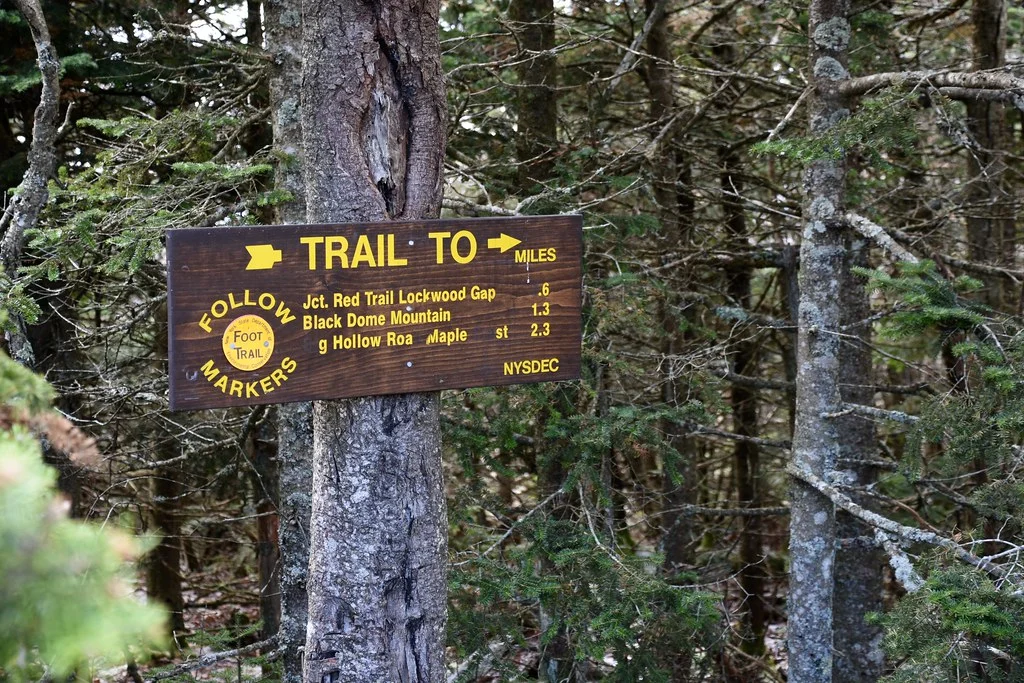
Devil’s Path has a legitimate claim. The full traverse covers 25 miles across six peaks in the Catskills with over 9,000 feet of cumulative elevation gain. But the numbers undersell the difficulty. There are no flat recovery sections. You’re either going straight up or straight down on loose rock at punishing angles the entire time.
Most hikers break it into sections. The Indian Head to Twin Mountain segment — about 9 miles with 2,800 feet of gain — is the most popular day-hike chunk. Even that section has multiple exposed scrambles and the kind of descents where a slip means a tumble, not a stumble.
The difficulty is physical endurance, not technical skill. The trail never gives you a rhythm. Hikers who’ve done both Devil’s Path and New Hampshire‘s hardest routes consistently rank it among the most physically punishing trails in the Northeast.
Stats: 25 miles (full traverse) | 9,000+ ft cumulative gain | Multi-day or brutal single-day push
What Makes Breakneck Ridge So Intense?
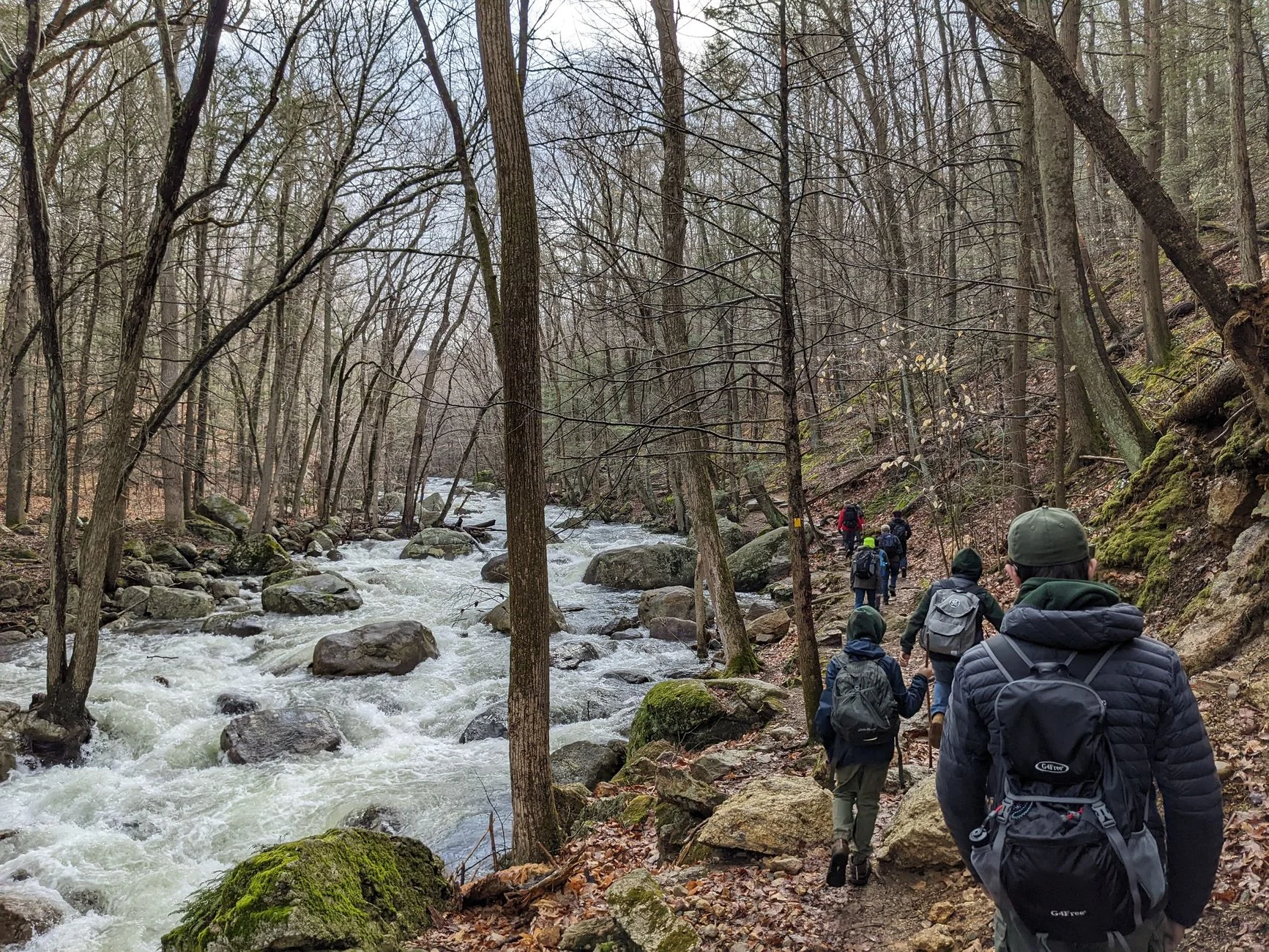
Breakneck Ridge starts hard and stays hard. The first mile is steep, loose rock that takes 30 to 60 minutes to clear. Experienced hikers describe it as consistently harder than the “challenging” label implies. You’re never fully done scrambling, even after the notorious opening section.
Past the fire tower, the crowds thin dramatically, but the terrain doesn’t ease up. The full loop involves sustained climbing across multiple false summits with rocky footing throughout. In winter, ice transforms the scramble sections into something genuinely dangerous without crampons.
What makes Breakneck unique in New York is the access. It’s a Metro-North stop, which means it attracts hikers of every experience level. The trail self-selects hard in the first ten minutes. That combination of accessibility and difficulty is why rescue calls here are a regular occurrence.
Stats: 3.7 miles (loop) | 1,260 ft gain | Technical scrambling from the start
How Hard Are the Adirondack High Peaks?
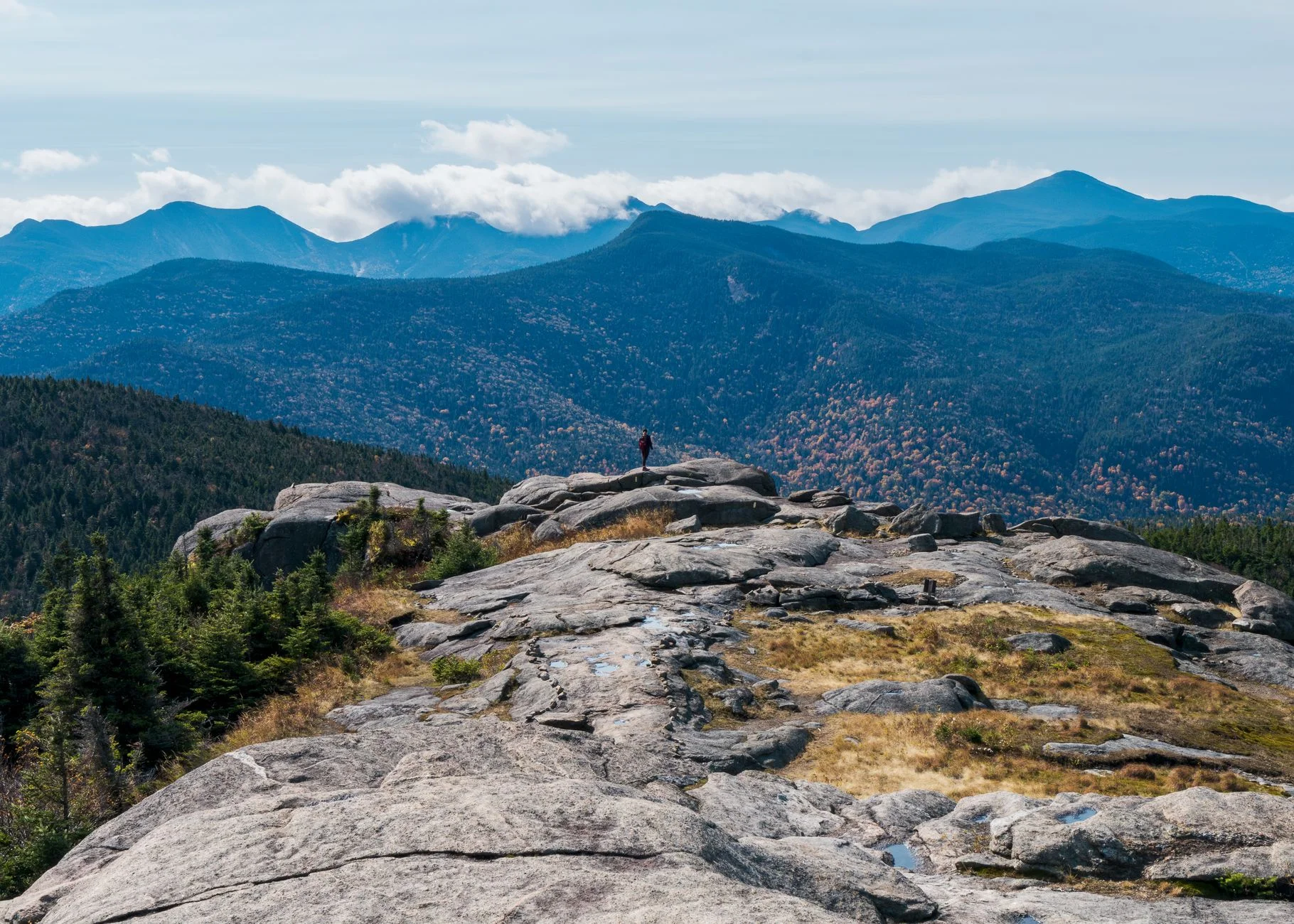
Giant Mountain with Rocky Peak Ridge is the hardest standard day hike in the Adirondacks. At 8.5 miles with over 4,400 feet of elevation gain, it has more vertical than any other trail on this list. The upper ridge is exposed and demands hand-over-foot scrambling. This is not a trail you can power through on fitness alone — route-finding matters.
Crane Mountain divides hikers. Experienced climbers call it moderate. First-timers find it legitimately hard. The key variable is direction — going counterclockwise puts the steep rock face as a climb rather than a descent, which most hikers find safer and more enjoyable. The pond at the summit is one of the few rewards in the Adirondacks that genuinely surprises people.
Big Slide Mountain via The Brothers is a relentless staircase. Three preliminary peaks before the main summit, each one convincing you that you’re almost done when you’re not. The vertical accumulates across the Brothers in a way that the total mileage doesn’t suggest.
Key fact: Winter in the Adirondack High Peaks is a different sport. Full crampons, ice axes, and layered insulation are baseline requirements, not suggestions. Summit winds and whiteout conditions push hard day hikes into genuine survival territory.
Which Catskill Hikes Are Hardest Beyond Devil’s Path?
Wittenberg and Cornell Mountains is the hardest single-day Catskill hike outside Devil’s Path. The 9.8-mile loop with 2,800 feet of gain includes the Wittenberg summit ledge — widely considered the best view in the entire range — and Cornell’s scramble sections that require handholds. Hikers report icy conditions and extreme summit winds in winter that make this feel like a completely different trail.
The Blackhead Range traverses three peaks above 3,500 feet across 8.2 miles. The difficulty is cumulative. No single section stops you, but the constant up-and-down across three summits wears you down steadily. The steep opening climb sets the tone — hikers describe it as relentless from the trailhead. Winter adds post-holing through deep snow and icy footing that turns an exhausting hike into a genuinely hazardous one.
Table and Peekamoose Mountains adds remoteness to difficulty. The 9.4-mile route has steep sustained inclines and fierce summit winds. In winter, ice forms on the rocky bald near Peekamoose’s summit that hikers describe as genuinely hazardous without full traction gear. This trail is quieter than Wittenberg-Cornell or Blackhead, which means less help if something goes wrong.
Hunter and Rusk Mountains delivers continuous steep elevation gain from the trailhead with a technically demanding rocky bald summit. Parking fills by noon on good weather days — get there before 8 AM or don’t bother.
Are There Hard Hikes in the Hudson Valley and Catskill Foothills?
Giant Ledge to Panther Mountain is the most popular hard day hike in the Catskills — and the crowds prove it. Parking fills by 11 AM on weekends. The hike to Giant Ledge alone is manageable, but extending to Panther adds scramble sections and enough additional vertical to push most hikers past their comfort zone. The ledge views are among the best in the range, which is exactly why it draws the crowds it does.
Slide Mountain, the highest peak in the Catskills at 4,180 feet, has a reputation that divides experienced hikers. Some call it moderate. Others find the rock scramble sections genuinely hard, especially when wet. The honest answer is that difficulty depends heavily on conditions. Slide in October is a different trail than Slide in March.
Elk Mountain sits in an interesting category. Experienced hikers frequently suggest it should be relabeled as moderate. First-timers report it as genuinely hard. If you can handle Elk without stopping, you’re probably ready for Wittenberg-Cornell or the Blackhead Range.
How Do the Hardest New York Hikes Compare?
| Trail | Region | Miles | Elev. Gain | What Makes It Hard |
|---|---|---|---|---|
| Devil’s Path (full) | Catskills | 25.0 | 9,000+ ft | Relentless vertical, no flat sections |
| Giant Mountain + Rocky Peak | Adirondacks | 8.5 | 4,400+ ft | Most elevation gain, exposed ridge scramble |
| Wittenberg and Cornell | Catskills | 9.8 | 2,800 ft | Technical scramble, winter ice, exposed summit |
| Table and Peekamoose | Catskills | 9.4 | 2,600 ft | Remote, icy summit bald, fierce winds |
| Blackhead Range | Catskills | 8.2 | 2,680 ft | Three-summit traverse, cumulative fatigue |
| Hunter and Rusk | Catskills | 7.6 | 2,100 ft | Nonstop steep climb, rocky bald summit |
| Breakneck Ridge | Hudson Highlands | 3.7 | 1,260 ft | Steep scramble from the start, loose rock |
| Big Slide via The Brothers | Adirondacks | 9.8 | 3,100 ft | Three false summits, cumulative vertical |
| Crane Mountain | Adirondacks | 3.4 | 1,150 ft | Steep rock face, direction-dependent difficulty |
| Balsam and Eagle | Catskills | 9.0 | 2,600 ft | Steep rocky terrain, deep mud in shoulder seasons |
| Slide Mountain | Catskills | 5.6 | 1,780 ft | Rock scrambles, condition-dependent difficulty |
| Elk Mountain | Catskills | 4.2 | 1,100 ft | Good gauge of readiness for harder trails |
How Do I Know If I’m Ready for These Trails?
If you haven’t hiked 8+ miles with 2,000 feet of gain, start somewhere else. Elk Mountain or Giant Ledge (without continuing to Panther) are honest tests of whether your fitness matches your ambition. If either one wrecks you, nothing else on this list will go better.
Breakneck Ridge is not a beginner scramble. The Metro-North access makes it feel approachable. It isn’t. If you haven’t scrambled on steep, loose rock before, try Anthony’s Nose first — similar rock scrambling at a fraction of the intensity.
Winter changes the difficulty rating on every trail here. Catskills trails that are hard in October become dangerous in January. Slide Mountain‘s rock scramble on ice is a different sport than Slide Mountain in summer. The Adirondack High Peaks in winter require mountaineering gear: crampons, layers, and the knowledge to use them. If you haven’t hiked in Northeast winter conditions before, don’t start with any trail on this list.
Parking is the first bottleneck. Most Catskills trailheads fill by 11 AM on weekends. Breakneck Ridge is standing room only by 9 AM on a sunny Saturday. Get there early or go on a weekday. The trails are dramatically quieter midweek.
Tell someone your plan. Cell service is unreliable to nonexistent on most of these trails. Send a text with the trail name, expected return time, and what to do if you’re not back. This is standard practice for trails where rescue is complex.
For the full picture of the hardest trails across the region, including routes in New Hampshire, Virginia, and Maine, see our hardest hikes on the East Coast roundup.