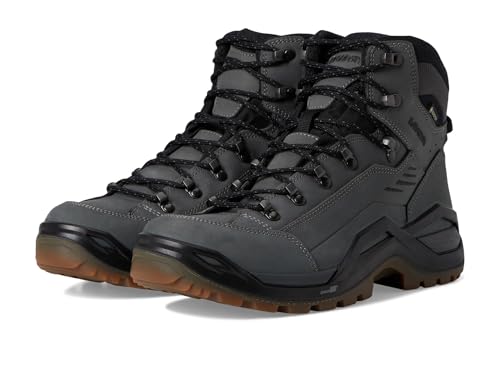
 LOWA Renegade EVO GTX MidGORE-TEX, 3 widths, resolableCheck price on Amazon →
 Hydro Flask Wide Mouth 32ozinsulated, durableCheck price on Amazon →
 Osprey Talon 22ventilated back, pole carryCheck price on Amazon →
 Adventure Medical Kits Ultralight Watertight .7day-hike specific, waterproofCheck price on Amazon →
 Black Diamond Spot 400-Rrechargeable, comfortableCheck price on Amazon →
What to Expect on the Trail
The Anhinga Trail starts from the Royal Palm area inside Everglades National Park — about 4 miles from the main entrance at Homestead. The trail is a combination of paved path and elevated boardwalk that loops through Taylor Slough, a shallow freshwater marsh that concentrates wildlife in densities that visitors find astonishing. This is not a trail where you might see wildlife. This is a trail where you will see wildlife, in quantities and at distances that most nature experiences cannot match.
Alligators are the headliners. They bask on the canal banks and on the edges of the boardwalk itself, sometimes close enough that you could reach over the railing and touch them. Do not do this. The alligators are habituated to human presence and generally uninterested in pedestrians, but they are wild animals with predatory instincts. Keep hands inside the railing and keep children close. The proximity is real and requires respect.
The trail is named for the anhinga — a large waterbird that hunts fish by swimming with its body submerged and only its snakelike neck above the surface. After catching prey, anhingas perch on branches with their wings spread wide to dry, creating dramatic silhouettes that photographers covet. You will see dozens of them on a typical visit, along with great blue herons, great egrets, snowy egrets, tricolored herons, green herons, purple gallinules, and soft-shelled turtles. During peak dry season, the concentration of birds around the remaining water is dense enough to fill a frame with multiple species in a single photograph.
The boardwalk elevates you above the slough surface, providing views down into the clear water where garfish, bass, and bowfin are visible. The aquatic life adds a dimension that pure bird-watching trails lack — you are looking up at birds, down at fish, and around at alligators simultaneously. The Everglades’ biological productivity is visible in every direction from the boardwalk.
How Hard Is This Trail, Really?
The Anhinga Trail has zero difficulty. The 0.8-mile loop is paved and boardwalked throughout. Zero elevation gain. Fully wheelchair accessible. A toddler, an elderly visitor in a wheelchair, and a marathon runner all have exactly the same experience on this trail. The only physical variable is heat — in summer, the exposed boardwalk absorbs Florida sun and the reflected heat from the water can make 0.8 miles feel much longer than it should.
Budget 30 to 60 minutes for the loop. Photographers and birders routinely spend 2 hours because the wildlife is constantly active and the close distances provide opportunities that longer trails cannot offer. There is no reason to rush — the loop is short enough that lingering at every viewing point adds modest time to the total visit.
Best Time to Go
Dry season (November through April) is when the Anhinga Trail delivers its maximum wildlife density. As the Everglades dry during winter, the remaining water in Taylor Slough becomes a critical resource for every animal in the area. Alligators, wading birds, fish, and turtles concentrate around the shrinking water, creating the remarkable densities that make this trail famous. A January or February visit on a sunny morning is the Anhinga Trail at its absolute best.
The transition months (November and April) offer good wildlife with fewer crowds than peak winter season. December through February is the busiest period — the Anhinga Trail is one of the most popular attractions in the park and the boardwalk can feel crowded on winter weekends. Early morning (before 9 AM) is the best window for both wildlife activity and manageable crowds.
Summer (May through October) is the wet season. The slough fills with water, which disperses the wildlife across a much larger area. The concentrations that make dry season spectacular simply do not happen when water is abundant. Add oppressive heat, humidity, and mosquitoes that can be genuinely unbearable, and summer visits are significantly less rewarding. If you must visit in summer, go at dawn and bring DEET.
Before You Go
The Anhinga Trail is at the Royal Palm area inside Everglades National Park. From the main entrance at Homestead (off US-1 at the end of SR-9336), drive about 4 miles into the park to the Royal Palm turnoff. The park entrance fee is $35 per vehicle (7-day pass) or free with a National Parks annual pass.
The Royal Palm Visitor Center has restrooms, water, and a small bookstore. Rangers are often present at the trailhead and can answer questions about current wildlife activity. The adjacent Gumbo Limbo Trail — a 0.4-mile loop through a tropical hardwood hammock — makes a natural pairing and adds a completely different ecosystem to your visit.
Bring binoculars for bird identification at distance. A camera with a zoom lens will get extensive use — the close wildlife distances provide photographic opportunities that are rare even by national park standards. Sunscreen and a hat are essential even in winter — the boardwalk has no shade. Water is available at the visitor center but not on the trail.
Dogs are not allowed on the Anhinga Trail or any trail in Everglades National Park. The drive from Miami is about 1 hour. From Fort Lauderdale, about 1.5 hours. From the Florida Keys, about 1.5 hours via US-1 north.
Word from the Trail
The Anhinga Trail is the National Park Service at its best — a short, accessible trail that delivers a genuine encounter with a wild ecosystem. In 0.8 miles you see more wildlife than most people see on a week of hiking elsewhere. The alligators are not behind glass. The herons are not in a zoo exhibit. The anhingas are not performing for an audience. All of them are living their lives in a shallow slough, and you happen to be standing on a boardwalk above them. The brevity of the trail is its genius. You do not need to earn this experience with miles or elevation. You need to show up, walk slowly, and pay attention. The Everglades will do the rest.
Frequently Asked Questions
LOWA Renegade EVO GTX MidGORE-TEX, 3 widths, resolableCheck price on Amazon →Hydro Flask Wide Mouth 32ozinsulated, durableCheck price on Amazon →Osprey Talon 22ventilated back, pole carryCheck price on Amazon →Adventure Medical Kits Ultralight Watertight .7day-hike specific, waterproofCheck price on Amazon →Black Diamond Spot 400-Rrechargeable, comfortableCheck price on Amazon → Patagonia Torrentshell 3L Jacketdurable, trail + everydayCheck price on Amazon →
 Darn Tough Hiker Micro Crew Midweightlifetime warrantyCheck price on Amazon →
 Black Diamond Pursuit Trekking Polescork grip, lightweightCheck price on Amazon →
 Sawyer Squeeze Water Filterultralight, standard threadsCheck price on Amazon →