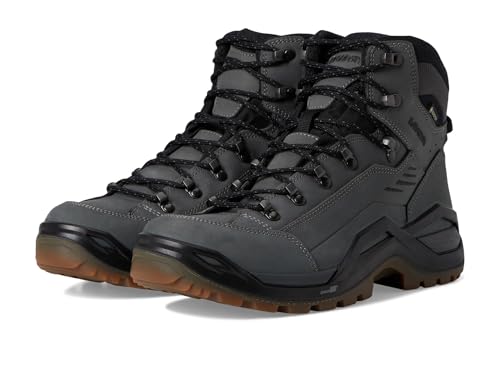
 LOWA Renegade EVO GTX MidGORE-TEX, 3 widths, resolableCheck price on Amazon →
 Hydro Flask Wide Mouth 32ozinsulated, durableCheck price on Amazon →
 Osprey Talon 22ventilated back, pole carryCheck price on Amazon →
 Adventure Medical Kits Ultralight Watertight .7day-hike specific, waterproofCheck price on Amazon →
 Black Diamond Spot 400-Rrechargeable, comfortableCheck price on Amazon →
What to Expect on the Trail
Little Big Econ State Forest protects the floodplain of the Econlockhatchee River — locally called “Little Econ” or just “the Econ” — in Seminole County northeast of Orlando. The forest covers over 5,000 acres of longleaf pine flatwoods, river swamp, and hardwood hammock that represent what central Florida looked like before the development arrived. The contrast with the theme parks and subdivisions thirty minutes away is jarring and deliberate. This is restoration land — the Florida Forest Service actively manages it for longleaf pine recovery and native habitat.
The main hiking route from the Barr Street trailhead follows the Florida Trail south along the Econlockhatchee River for about 3 miles before turning back, creating a 6-mile out-and-back. The river swamp sections are the highlight — giant bald cypress trees draped in Spanish moss line the riverbank, their buttressed trunks rising from dark water. The canopy in the swamp sections filters the light into green shadows that make the trail feel tropical and ancient.
The full trail network has 14 miles of options, including loops through the pine flatwoods and connections to the wider Florida Trail system. The flatwoods sections are more open — longleaf pine with a wiregrass understory that burns regularly as part of the prescribed fire management. These sections are hot and exposed in summer but have a distinctive character: the longleaf pines tower overhead in widely spaced columns, and the understory is alive with wildflowers in spring, especially after a winter burn.
Wildlife is a consistent presence. River otters are regularly spotted in the Econlockhatchee. Bald eagles nest in the tall pines along the river. White-tailed deer are common in the pine flatwoods. Black bears live in the forest and are occasionally seen — they are shy and encounters are rare, but their tracks in the sandy trail confirm their presence. The birding is excellent throughout the year, with migratory warblers in spring and fall and resident species including red-cockaded woodpeckers in the managed pine stands.
How Hard Is This Trail, Really?
Easy in terms of terrain. Minimal elevation change — central Florida is flat, and the forest sits on the Econlockhatchee’s floodplain. The trail surface is packed dirt and sand with some root tangles in the swamp sections. No rocks, no sustained climbing, no technical difficulty. The Florida Trail sections are well-blazed with orange markers.
The difficulty is environmental. The swamp sections are mosquito territory year-round, with conditions ranging from “noticeable” in winter to “intolerable” in summer without repellent. Bring DEET-based bug spray regardless of season. Long pants and long sleeves reduce the surface area available to mosquitoes in the worst sections. The trails flood after heavy rain, sometimes for days. The river swamp sections are the first to go underwater and the last to drain. Check conditions before making the drive.
Heat is the other factor. Summer hiking in central Florida demands respect. The pine flatwoods sections have minimal shade and the humidity can be oppressive. Start before 8 AM in summer and carry more water than you think you need. Winter and spring are the most comfortable seasons for hiking.
Best Time to Go
November through March is the ideal window. Cool temperatures, manageable mosquitoes, active wildlife, and the pine flatwoods look their best in winter light. Spring (March through April) brings wildflowers in the flatwoods, especially after prescribed burns, and the spring warbler migration adds birding interest. Prescribed burns are visible as blackened ground that quickly regenerates with wiregrass and wildflowers — the burns are a feature of the forest management, not a sign of damage.
Summer is for committed naturalists who accept the heat and mosquitoes as the cost of experiencing the forest at its most biologically active. The river is at its fullest, the swamp canopy is at its densest, and the wildlife is most diverse. Everything comes alive in summer — including the insects.
The forest is open year-round, sunrise to sunset. Hunting is permitted on specific dates — check the Florida Forest Service website for the hunting schedule and wear blaze orange during hunting seasons.
Before You Go
The Barr Street trailhead is off Route 426 (Aloma Avenue) in Oviedo, about 30 minutes northeast of downtown Orlando. The trailhead has a small gravel parking lot. Free admission. No entrance fee. No restrooms at the Barr Street trailhead — the Kilbee trailhead on the north end has portable facilities.
Primitive camping is permitted along the Florida Trail section with a free permit. This makes Little Big Econ one of the few places near Orlando where you can spend a night in the woods without a formal campground. The camping is basic — no water, no electricity, no facilities. Carry everything you need.
Dogs are allowed on leash. The flat terrain is suitable for dogs of any size, but the swamp sections can be muddy and the mosquitoes affect dogs too. Bring water for your dog. Tick checks are important after hiking in the forest.
The drive from downtown Orlando is about 30 minutes via Route 417 or Route 426. From the UCF area, about 15 minutes. The forest is easily combined with nearby springs — Blue Spring State Park (manatee viewing November through March) is about 30 minutes north.
Word from the Trail
The Econlockhatchee River Trail proves that central Florida has wild places worth protecting. Thirty minutes from Disney World, you are walking under cypress trees that were old when Florida became a state, watching river otters play in a blackwater stream, and listening to woodpeckers work the longleaf pines. The forest service has been burning and restoring this land for decades, and the results are visible — the pine flatwoods have the open, park-like quality that longleaf forests had before fire suppression and development changed them.
For Orlando residents and visitors who want to see what Florida looks like when nobody is selling tickets to it, Little Big Econ is the answer. The forest asks nothing except that you bring bug spray and check whether the trails are flooded. In return it gives you cypress swamps, river otters, and silence. The theme parks cannot compete with that.
Frequently Asked Questions
LOWA Renegade EVO GTX MidGORE-TEX, 3 widths, resolableCheck price on Amazon →Hydro Flask Wide Mouth 32ozinsulated, durableCheck price on Amazon →Osprey Talon 22ventilated back, pole carryCheck price on Amazon →Adventure Medical Kits Ultralight Watertight .7day-hike specific, waterproofCheck price on Amazon →Black Diamond Spot 400-Rrechargeable, comfortableCheck price on Amazon → Patagonia Torrentshell 3L Jacketdurable, trail + everydayCheck price on Amazon →
 Darn Tough Hiker Micro Crew Midweightlifetime warrantyCheck price on Amazon →
 Black Diamond Pursuit Trekking Polescork grip, lightweightCheck price on Amazon →
 Sawyer Squeeze Water Filterultralight, standard threadsCheck price on Amazon →