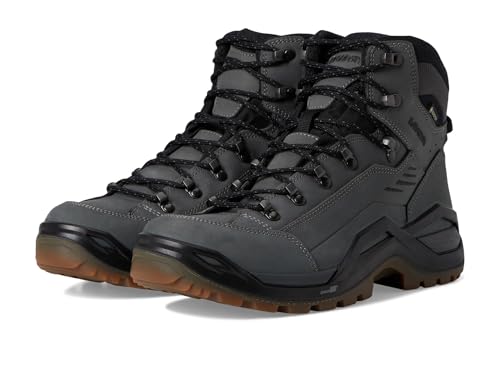
 LOWA Renegade EVO GTX MidGORE-TEX, 3 widths, resolableCheck price on Amazon →
 Hydro Flask Wide Mouth 32ozinsulated, durableCheck price on Amazon →
 Osprey Talon 22ventilated back, pole carryCheck price on Amazon →
 Adventure Medical Kits Ultralight Watertight .7day-hike specific, waterproofCheck price on Amazon →
 Black Diamond Spot 400-Rrechargeable, comfortableCheck price on Amazon →
What to Expect on the Trail
Circle B Bar Reserve sits on the northern shore of Lake Hancock in Polk County, about 15 minutes east of Lakeland. The 1,267-acre reserve is a former cattle ranch that Polk County converted into a nature preserve, and the combination of lake edge, marsh, hardwood hammock, and open grassland creates habitat diversity that concentrates an extraordinary density of wildlife into a small area.
The marquee trail is Alligator Alley — and the name is not marketing. The trail runs along a berm between Lake Hancock on one side and a freshwater marsh on the other. Alligators bask on both sides of the path, some close enough to touch if you were foolish enough to try. On a warm winter morning you might count 30 or more alligators visible from the trail. They are habituated to human presence and generally uninterested in hikers, but the proximity is real and the experience of walking past a 10-foot alligator at arm’s length is not something most East Coast hikers have encountered.
Beyond Alligator Alley, the trail network includes Marsh Rabbit Run, Heron Hideout, Wading Bird Way, and several connecting loops that total about 8 miles of trail throughout the reserve. Most visitors combine 3 to 4 miles of the main loops in a single visit. The terrain is completely flat — this is central Florida, and the highest point in the reserve is probably the parking lot berm. The trail surfaces range from packed dirt to mowed grass, with boardwalk sections over the wettest areas.
The birding is what brings photographers from across the country. Circle B Bar is one of the most reliable locations in Florida for roseate spoonbills — vivid pink wading birds that look too colorful to be real. Wood storks, great blue herons, little blue herons, tricolored herons, and great egrets are constant. Sandhill cranes graze in the open grasslands. Bald eagles nest in the tall pines. Snail kites — one of the rarest raptors in North America — hunt apple snails over the marsh. Swallow-tailed kites appear in spring and summer, their distinctive forked tails visible from across the reserve.
During winter months (November through April), the combination of wintering migrants and resident species pushes the species count into the hundreds. Photographers with 600mm lenses line the trails at sunrise, and the golden hour light on the marsh creates conditions that wildlife photographers travel specifically to capture.
How Hard Is This Trail, Really?
Easy. Zero elevation change. Flat packed dirt, mowed grass, and boardwalk throughout. No rocks, no roots, no terrain of any kind. The only physical consideration is heat — in summer, the exposed trails along the lake and marsh have no shade, and Florida sun at midday is brutal. Walk early or walk in winter.
The 8-mile trail network is extensive enough to fill a morning, but most visitors cover 3 to 4 miles combining the main loops. The pace is dictated by wildlife, not fitness — photographers routinely spend 3 hours covering 2 miles because every hundred yards offers another subject. Budget your time for watching, not walking.
The alligators are a legitimate consideration, not a difficulty factor. Stay on the trail. Do not approach, feed, or provoke alligators. Keep children close. The animals are habituated but not tame — they are wild predators tolerating your presence because you are not interesting. Maintain that dynamic by keeping a respectful distance and never positioning yourself between an alligator and the water.
Best Time to Go
Winter (November through April) is the undisputed best season. The migratory birds are in residence, the weather is pleasant by Florida standards, the mosquitoes are manageable, and the alligators are active but not aggressive. Sunrise on a clear January morning is the optimal time — the light is low and golden, the wildlife is most active, and the photographers line up along Alligator Alley for good reason.
Summer is difficult. The heat is oppressive, the mosquitoes are aggressive, and many of the migratory species are gone. The alligators remain, and the resident wading birds are still present, but the experience is significantly diminished. If you visit in summer, go at dawn and leave by 9 AM.
The reserve closes periodically for alligator management — check the Polk County website or call ahead before making a special trip. These closures are infrequent but can last several days.
Before You Go
Circle B Bar Reserve is at 4399 Winter Lake Road, Lakeland, FL 33803. From I-4, take the Lakeland exit and head south on Route 98, then east on Winter Lake Road. Free admission. Free parking. Managed by Polk County Environmental Lands Program.
The reserve is open sunrise to sunset. Restrooms are available at the main parking area. A small nature center near the trailhead has interpretive displays about the reserve’s ecology and history.
No dogs allowed. This is a strict policy enforced for wildlife protection. The alligators, nesting birds, and ground-nesting species cannot coexist with off-leash or even leashed dogs in the narrow trail corridors. Leave dogs at home.
Bring binoculars. The wildlife is often visible to the naked eye — the alligators are impossible to miss — but binoculars transform the birding experience. A spotting scope is useful for the lake edge where wading birds feed at distance. Photographers should bring the longest lens they own. A 400mm minimum is useful; 600mm is ideal for the bird photography that Circle B is famous for.
Wear closed-toe shoes even though the trail is flat. The grass sections can hide fire ant mounds, and the proximity to water means the occasional snake crossing the path. Sunscreen and a hat are essential — shade is limited on the lake-edge trails.
Word from the Trail
Circle B Bar Reserve is one of those places that resets your expectations for what a trail can offer. You walk past alligators close enough to see the texture of their skin. You watch a roseate spoonbill sweep its bill through the shallows in pink feathers that look painted. You hear sandhill cranes calling across the marsh in a sound that has been unchanged for millions of years. All of this happens on a flat dirt path in suburban Lakeland, Florida, with no admission fee and no elevation gain.
The reserve proves that the best wildlife experiences on the East Coast are not in national parks or remote wilderness areas. They are in county-managed preserves where the habitat is right and the animals have learned to tolerate careful human visitors. Circle B Bar has both. Bring binoculars, walk slowly, and give the alligators the respect they deserve. They were here before the cattle ranch, and they will be here long after the trail.
Frequently Asked Questions
LOWA Renegade EVO GTX MidGORE-TEX, 3 widths, resolableCheck price on Amazon →Hydro Flask Wide Mouth 32ozinsulated, durableCheck price on Amazon →Osprey Talon 22ventilated back, pole carryCheck price on Amazon →Adventure Medical Kits Ultralight Watertight .7day-hike specific, waterproofCheck price on Amazon →Black Diamond Spot 400-Rrechargeable, comfortableCheck price on Amazon → Patagonia Torrentshell 3L Jacketdurable, trail + everydayCheck price on Amazon →
 Darn Tough Hiker Micro Crew Midweightlifetime warrantyCheck price on Amazon →
 Black Diamond Pursuit Trekking Polescork grip, lightweightCheck price on Amazon →
 Sawyer Squeeze Water Filterultralight, standard threadsCheck price on Amazon →