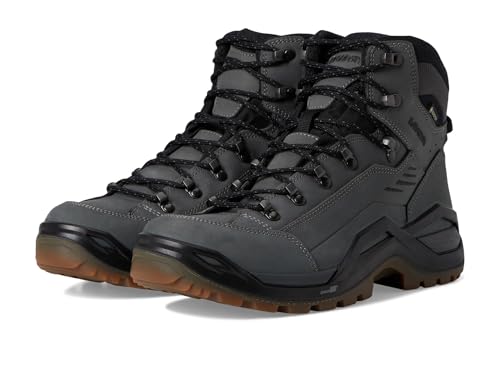
 LOWA Renegade EVO GTX MidGORE-TEX, 3 widths, resolableCheck price on Amazon →
 Hydro Flask Wide Mouth 32ozinsulated, durableCheck price on Amazon →
 Osprey Talon 22ventilated back, pole carryCheck price on Amazon →
 Adventure Medical Kits Ultralight Watertight .7day-hike specific, waterproofCheck price on Amazon →
 Black Diamond Spot 400-Rrechargeable, comfortableCheck price on Amazon →
What to Expect on the Trail
Big Shoals State Park sits on the upper Suwannee River near White Springs in Hamilton County — deep rural north Florida, about an hour northwest of Gainesville and a world away from the theme parks. The park protects a section of river where the Suwannee narrows and drops over a limestone shelf, creating the largest whitewater rapids in a state that most people assume is entirely flat and calm.
The trail from the main trailhead follows the Florida Trail south along the river bluffs toward the shoals. The path winds through longleaf pine flatwoods on the higher ground and dips into mixed hardwood hammocks in the ravines that cut down to the river. The Suwannee runs dark with tannic acid below the bluffs — the characteristic black water that comes from cypress and hardwood tannins leaching into the flow. The river is beautiful in every season, but the color deepens after rain when the upstream swamps contribute their maximum tannin load.
You hear the shoals before you see them. The trail rounds a bend along the bluff and the sound of moving water builds from a murmur to a genuine roar. At the overlook, the Suwannee churns across the limestone shelf in a series of drops and standing waves that, at high water, produce Class III whitewater. In a state where most rivers are lazy and flat, the sight of the Suwannee ripping through Big Shoals is genuinely surprising. At low water, the rapids diminish to gentle riffles, which is why timing your visit around recent rainfall makes a significant difference.
The bluff trail continues past the main overlook with additional viewpoints along the river. Each offers a slightly different angle on the shoals and the downstream pools where the river calms. Paddlers sometimes run the shoals in kayaks and canoes during high water — watching from the bluff as they navigate the drops adds another dimension to the visit.
How Hard Is This Trail, Really?
Easy to moderate. The 5.6-mile out-and-back has about 60 feet of elevation change — gentle undulations as the trail follows the bluff contour, dipping into ravines and climbing back out. The footing is packed dirt and sand with some root tangles in the hardwood hammock sections. No rocks, no scrambling, no technical terrain. The Florida Trail blazes (orange markers) are well-maintained and the route is easy to follow.
The full park trail network covers 11.4 miles for hikers who want more distance. The additional trails loop through the pine flatwoods and reach secondary river access points. The terrain throughout stays in the easy-to-moderate range — the only physical demand is distance, not difficulty.
After heavy rain, the lower trail sections near the river can be muddy and the ravine crossings may have standing water. The bluff sections stay dry. In wet conditions, the shoals are at their most dramatic, so the tradeoff — muddy trails for better rapids — usually favors visiting after rain rather than waiting for dry conditions.
Best Time to Go
After heavy rainfall is the key variable. The shoals are most impressive when water levels are high — the difference between a high-water visit and a low-water visit is the difference between Class III whitewater and gentle riffles over exposed rock. Check Suwannee River water levels before visiting if the rapids are your primary draw. The USGS maintains gauge data that is available online.
Fall through spring (October through April) offers the most comfortable hiking weather. The pine flatwoods and hardwood hammocks are pleasant in cool weather without the summer heat and humidity. Winter mornings are particularly good — the light through the longleaf pines is warm and the river’s dark water catches reflections from the bare hardwoods along the bluff.
Summer is hot, humid, and buggy. The Suwannee corridor produces mosquitoes, and the open flatwoods sections have minimal shade. If you visit in summer, go at dawn. The park is open 8 AM to sunset year-round.
Before You Go
Big Shoals State Park is off County Road 135 near White Springs, Florida. From I-75, take Exit 439 (US 41) and follow signs to White Springs, then County Road 135 north to the park entrance. The park is about 15 minutes from White Springs and an hour from Gainesville. Entrance fee: $4 per vehicle.
Facilities are minimal. A small parking lot, a trailhead kiosk, and portable restrooms. No visitor center, no gift shop, no concessions. This is a trail-focused park in rural north Florida — bring everything you need. Cell service is unreliable. Bring water and snacks for the 5.6-mile round trip.
Dogs are allowed on leash. The trail terrain is suitable for dogs of all sizes. The river bluff sections have unfenced edges — keep dogs close near the overlooks. Bring water for your dog.
Nearby Stephen Foster Folk Culture Center State Park in White Springs is worth combining with a Big Shoals visit. The folk culture center has the Suwannee River’s most famous association — Stephen Foster’s song “Old Folks at Home” made the river a household name nationwide. The museum and carillon tower on the riverbank provide a cultural counterpoint to Big Shoals’ natural focus. The two parks are about 15 minutes apart.
Word from the Trail
Big Shoals is the place where Florida breaks its own rules. The state that is supposed to be flat has bluffs. The river that is supposed to be lazy has rapids. The landscape that is supposed to be developed is rural longleaf pine forest managed with prescribed fire the way it was before settlement. Nothing about Big Shoals matches the Florida that tourists know, and that mismatch is exactly what makes it worth the drive through Hamilton County.
The shoals themselves are the payoff, but the trail to reach them is the experience. Walking through longleaf pines on the Florida Trail, hearing the river build from quiet to roar, and then standing on the bluff watching the Suwannee churn through a limestone shelf — it is a sequence that earns the destination. Not every waterfall or rapid needs to be Niagara to be worth seeing. Sometimes the surprise of finding whitewater in Florida is enough.
Frequently Asked Questions
LOWA Renegade EVO GTX MidGORE-TEX, 3 widths, resolableCheck price on Amazon →Hydro Flask Wide Mouth 32ozinsulated, durableCheck price on Amazon →Osprey Talon 22ventilated back, pole carryCheck price on Amazon →Adventure Medical Kits Ultralight Watertight .7day-hike specific, waterproofCheck price on Amazon →Black Diamond Spot 400-Rrechargeable, comfortableCheck price on Amazon → Patagonia Torrentshell 3L Jacketdurable, trail + everydayCheck price on Amazon →
 Darn Tough Hiker Micro Crew Midweightlifetime warrantyCheck price on Amazon →
 Black Diamond Pursuit Trekking Polescork grip, lightweightCheck price on Amazon →
 Sawyer Squeeze Water Filterultralight, standard threadsCheck price on Amazon →