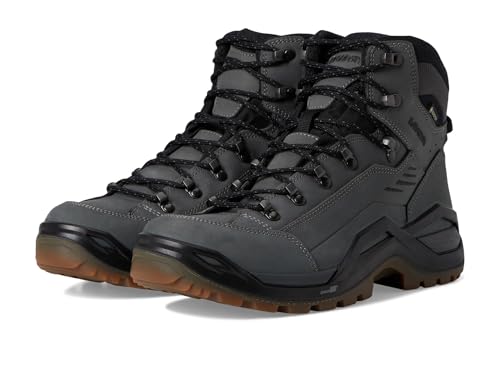
 LOWA Renegade EVO GTX MidGORE-TEX, 3 widths, resolableCheck price on Amazon →
 Hydro Flask Wide Mouth 32ozinsulated, durableCheck price on Amazon →
 Osprey Talon 22ventilated back, pole carryCheck price on Amazon →
 Adventure Medical Kits Ultralight Watertight .7day-hike specific, waterproofCheck price on Amazon →
 Black Diamond Spot 400-Rrechargeable, comfortableCheck price on Amazon →
What to Expect on the Trail
Shark Valley sits on the northern edge of Everglades National Park along US-41 (Tamiami Trail), about 45 minutes west of Miami. The “trail” is a paved tram road that loops 15 miles through the Shark River Slough — the main flow of water through the Everglades, which moves south from Lake Okeechobee to Florida Bay at a rate of about 100 feet per day. The road follows the eastern levee of the slough, putting you at the center of the River of Grass that Marjory Stoneman Douglas made famous.
The alligators are the first thing every visitor notices. They bask on the pavement, on the shoulders, and in the canal that runs alongside the road. On a dry-season morning you might count 50 or more in a single mile. They are habituated to the tram and to cyclists and walkers, and they generally ignore human traffic. Do not approach them, feed them, or step over them when they are on the pavement. Walk around at a distance of at least 15 feet. The indifference is real but not guaranteed — these are large predators, and the biggest ones in Shark Valley exceed 12 feet.
The observation tower at the 7.5-mile mark is the destination for most visitors. The concrete tower rises 65 feet above the sawgrass, providing a 360-degree view across the Everglades that is unlike any other viewpoint in the park. From the tower, the sawgrass extends to the horizon in every direction, broken only by tree islands — small elevated hammocks of tropical hardwood that dot the landscape like ships on a green sea. The tree islands are where alligators dig their nesting holes, and they serve as critical high-ground habitat during the wet season when the rest of the landscape is underwater.
The Bobcat Boardwalk and Otter Cave Hammock Trail are two short side loops accessible from the tram road. Both are elevated boardwalks that enter the tree islands, providing a different perspective on the hardwood hammock ecosystem that the observation tower shows you from above. The Bobcat Boardwalk is about a half mile. Otter Cave is shorter. Both are worth the detour for the contrast between the open sawgrass prairie and the dense, shaded hammock interior.
Beyond alligators, the wildlife list includes white-tailed deer, raccoons, river otters, great blue herons, great egrets, snowy egrets, tricolored herons, anhingas, snail kites (one of North America’s rarest raptors), and dozens of other species. During dry season, the canal alongside the road concentrates fish and the birds that eat them, creating a linear feeding frenzy that runs for miles.
How Hard Is This Trail, Really?
The terrain has zero difficulty — 15 miles of flat pavement with no elevation change. The difficulty is distance and exposure. Walking the full 15-mile loop takes 5 to 6 hours with no shade, no shelter, and no services between the entrance and the tower. Most visitors choose one of three options:
Bike it: 2 to 3 hours for the full loop. Bicycle rentals are available at the entrance ($10/hour). This is the best option for covering the full loop at a comfortable pace with stops for wildlife viewing. The pavement is smooth and flat.
Tram tour: 2-hour narrated tour with stops at the observation tower. The tram runs scheduled departures from the entrance station. Reservations are recommended in peak season (December through March). The naturalist narration adds context that self-guided visits lack.
Walk partway: Many visitors walk the first 3 to 4 miles, see the alligators and birds along the canal, and turn back. The wildlife is concentrated along the first few miles where the canal runs closest to the road. The observation tower at 7.5 miles requires committing to at least 15 miles round trip on foot, which is a full-day effort in Florida heat.
Best Time to Go
November through April is when Shark Valley delivers its best experience. Dry season drops the water levels, concentrating wildlife along the remaining water in the canal. The alligator density peaks. The wading birds concentrate into feeding aggregations. The temperatures are manageable for exposed walking or cycling. December through February is the absolute peak — the wildlife is at maximum density and the weather is as cool as the Everglades gets.
Summer (May through October) is the wet season. The slough fills with water, the wildlife disperses across the landscape, and the mosquitoes become genuinely intolerable. The heat index regularly exceeds 100°F on the exposed pavement. The park is open year-round, but a summer visit delivers a fraction of the wildlife at ten times the physical cost.
The tram tours book up during peak season. Reserve in advance for December through March visits, especially on weekends. Walk-up availability exists on weekdays but is not guaranteed.
Before You Go
Shark Valley Entrance is on US-41 (Tamiami Trail), about 25 miles west of the Florida Turnpike’s last exit before the road enters the Everglades. From Miami, the drive is about 45 minutes. From Fort Lauderdale, about 1 hour. From Naples, about 1.5 hours via I-75 (Alligator Alley) to US-41.
Entrance fee: $35 per vehicle (7-day pass for all Everglades entrances) or $15 per cyclist/pedestrian. Free with a National Parks annual pass. The entrance station has restrooms, water, a small gift shop, and the bicycle rental concession. No food services — bring snacks and at least 2 liters of water per person.
Bring binoculars and a camera with a zoom lens. The wildlife is often close enough for phone photos, but a longer lens captures the birds at the canal edge and the details at the observation tower. Sunscreen and a hat are non-negotiable — there is zero shade on the tram road. Sunglasses reduce the glare from the white pavement and the water.
Dogs are not allowed at Shark Valley or on any trail in Everglades National Park. The observation tower has stairs — it is not wheelchair accessible, though the tram road itself is fully accessible. The tram tour is wheelchair accessible.
Word from the Trail
Shark Valley is the Everglades experience that requires the least effort and delivers the most wildlife. You ride a bike on a flat paved road and see more alligators, herons, and raptors in 15 miles than most people see in a lifetime of hiking. The observation tower puts you above the River of Grass at a height where the scale of the Everglades finally makes sense — sawgrass to the horizon, tree islands floating in the green, the subtle south-flowing current that moves an entire landscape toward Florida Bay at walking speed. The Everglades do not look like much at ground level. From 65 feet up, they look like the most important landscape in Florida. They are.
Frequently Asked Questions
LOWA Renegade EVO GTX MidGORE-TEX, 3 widths, resolableCheck price on Amazon →Hydro Flask Wide Mouth 32ozinsulated, durableCheck price on Amazon →Osprey Talon 22ventilated back, pole carryCheck price on Amazon →Adventure Medical Kits Ultralight Watertight .7day-hike specific, waterproofCheck price on Amazon →Black Diamond Spot 400-Rrechargeable, comfortableCheck price on Amazon → Patagonia Torrentshell 3L Jacketdurable, trail + everydayCheck price on Amazon →
 Darn Tough Hiker Micro Crew Midweightlifetime warrantyCheck price on Amazon →
 Black Diamond Pursuit Trekking Polescork grip, lightweightCheck price on Amazon →
 Sawyer Squeeze Water Filterultralight, standard threadsCheck price on Amazon →