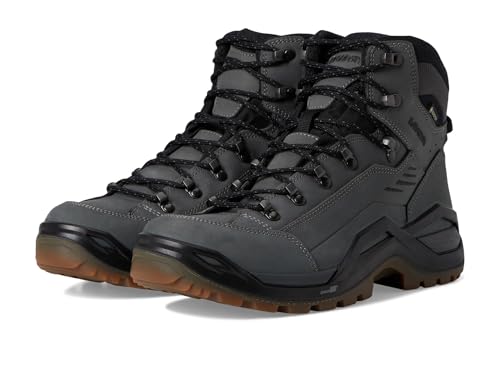
 LOWA Renegade EVO GTX MidGORE-TEX, 3 widths, resolableCheck price on Amazon →
 Hydro Flask Wide Mouth 32ozinsulated, durableCheck price on Amazon →
 Osprey Talon 22ventilated back, pole carryCheck price on Amazon →
 Adventure Medical Kits Ultralight Watertight .7day-hike specific, waterproofCheck price on Amazon →
 Black Diamond Spot 400-Rrechargeable, comfortableCheck price on Amazon →
What to Expect on the Trail
Jonathan Dickinson State Park is the largest state park in southeast Florida, covering over 11,000 acres along the Loxahatchee River in Martin County, about 20 minutes north of Jupiter. The park protects a remarkable diversity of Florida habitats packed into a single property: sand pine scrub, scrubby flatwoods, pine flatwoods, cypress swamp, mangrove estuary, and the wild river corridor that earned the Loxahatchee its federal Wild and Scenic designation — the only river in Florida with that distinction.
Hobe Mountain is the park’s signature feature, though calling it a mountain requires generous interpretation. At 86 feet above sea level, it is the highest point in southeast Florida — a sand dune remnant from an ancient shoreline when sea levels were higher. An observation tower at the summit adds height above the canopy and provides views west across the scrub landscape to the Intracoastal Waterway and east toward the Atlantic Ocean. On clear days you can see the ocean and the barrier island from the tower. In a region where everything is at sea level, 86 feet of elevation plus a tower creates a genuine vista.
The East Loop trail covers about 9 miles through the park’s eastern habitats. The trail passes through sand pine scrub — a fire-dependent ecosystem with twisted, gnarled trees growing in white sand that looks more like a desert than a subtropical forest. The scrub is habitat for the Florida scrub-jay, a species found nowhere else on Earth and one of the most geographically restricted birds in North America. The jays are bold and curious, and hikers who walk quietly through the scrub habitat sometimes encounter them at close range.
The river swamp sections along the Loxahatchee are the ecological contrast. Bald cypress and red maple line the dark, tannic river. Manatees migrate up the Loxahatchee during cooler months and are occasionally spotted from the trail or the riverbank. Ospreys and bald eagles are constant overhead presences. Gopher tortoises — a keystone species whose burrows shelter over 350 other species — dig their characteristic sandy mounds throughout the scrub and flatwoods sections.
How Hard Is This Trail, Really?
Easy in terms of terrain. The 9-mile East Loop has a total elevation change of 86 feet — the entirety of Hobe Mountain. The trail surface is packed sand with some grassy sections through the flatwoods. No rocks, no roots, no technical footing. The sand can be soft in the scrub sections, which makes walking slightly more tiring than packed dirt but is never difficult.
The difficulty is distance and exposure. The 9-mile loop is a significant commitment, especially in warm weather. The scrub and flatwoods sections have minimal shade — the sand pine canopy is sparse and the scrubby flatwoods are open by nature. In summer, the heat and sun exposure are the primary challenges. Carry at least 2 liters of water per person and wear a hat. Budget 3.5 to 4.5 hours for the full loop.
Hobe Mountain itself is a short spur trail from the main loop — about 0.3 miles round trip including the climb to the observation tower. The tower has stairs, not a ladder, and is accessible to most visitors. The detour adds minimal time but provides the best views in the park.
Best Time to Go
November through March is the best hiking window. The temperatures are manageable for exposed trail walking, the mosquitoes are at their lowest, and the manatees are in the Loxahatchee River during cooler months. Winter birding is excellent with migratory species supplementing the resident scrub-jays, eagles, and ospreys.
Spring (March through April) brings wildflower blooms in the scrub and flatwoods. The prescribed burn schedule creates a mosaic of recently burned and recovering areas that supports different wildflower species. Burned sections may look stark initially but the regrowth is rapid and dramatic.
Summer is hot, humid, and buggy. The exposed trail sections are punishing in midday heat. If you visit in summer, start before 8 AM and plan to be done by late morning. The river swamp sections are mosquito territory year-round but especially aggressive in summer.
Before You Go
Jonathan Dickinson State Park is at 16450 SE Federal Highway (US 1) in Hobe Sound, about 20 minutes north of Jupiter and 40 minutes north of West Palm Beach. Entrance fee: $6 per vehicle. The park is open 8 AM to sunset year-round.
The park has a campground with full hookups, cabins, and primitive campsites. The camp store has basic supplies. Restrooms are available at the campground and near the main parking areas. The park also has boat ramps for access to the Loxahatchee River and the Intracoastal Waterway.
The Trapper Nelson Interpretive Site is accessible only by boat — either on the park’s guided river tour or by private canoe or kayak. Trapper Nelson was Vincent Natulkiewicz, a hermit who lived on the Loxahatchee from the 1930s until his mysterious death in 1968. His homestead — hand-built structures, animal pens, and a dock — is preserved as a historical site. The guided boat tour is worth the time and provides river access that the hiking trails do not.
Dogs are allowed on leash on the hiking trails. The flat, sandy terrain is easy for dogs of all sizes. Bring extra water for your dog — the exposed trail sections are hot. Gopher tortoise burrows along the trail are wildlife habitat; keep dogs away from them.
The Ocean-to-Lake Hiking Trail passes through the park as part of the Florida Trail connector system, linking the Atlantic coast to Lake Okeechobee. Through-hikers and long-distance walkers use Jonathan Dickinson as a resupply point and camping stop.
Word from the Trail
Jonathan Dickinson State Park is the antidote to the developed Florida coastline that surrounds it. Twenty minutes from Jupiter’s manicured subdivisions, you are walking through sand pine scrub where Florida scrub-jays — found nowhere else on the planet — hop through the gnarled trees. The Loxahatchee River still runs wild and scenic while every other southeast Florida waterway has been channeled, dammed, or developed. Hobe Mountain’s 86 feet of elevation would be unremarkable anywhere else in the country. Here, in a region where the entire landscape sits at sea level, it is the highest ground for fifty miles in any direction. The observation tower view — scrub, river, ocean, sky — puts it all in perspective. Florida is flat, but it is not featureless. The features are just measured in different units than the mountains up north.
Frequently Asked Questions
LOWA Renegade EVO GTX MidGORE-TEX, 3 widths, resolableCheck price on Amazon →Hydro Flask Wide Mouth 32ozinsulated, durableCheck price on Amazon →Osprey Talon 22ventilated back, pole carryCheck price on Amazon →Adventure Medical Kits Ultralight Watertight .7day-hike specific, waterproofCheck price on Amazon →Black Diamond Spot 400-Rrechargeable, comfortableCheck price on Amazon → Patagonia Torrentshell 3L Jacketdurable, trail + everydayCheck price on Amazon →
 Darn Tough Hiker Micro Crew Midweightlifetime warrantyCheck price on Amazon →
 Black Diamond Pursuit Trekking Polescork grip, lightweightCheck price on Amazon →
 Sawyer Squeeze Water Filterultralight, standard threadsCheck price on Amazon →