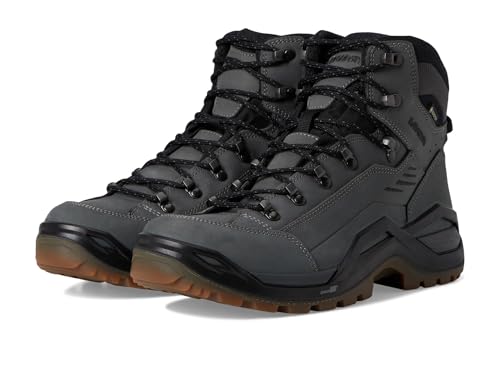
 LOWA Renegade EVO GTX MidGORE-TEX, 3 widths, resolableCheck price on Amazon →
 Hydro Flask Wide Mouth 32ozinsulated, durableCheck price on Amazon →
 Osprey Talon 22ventilated back, pole carryCheck price on Amazon →
 Adventure Medical Kits Ultralight Watertight .7day-hike specific, waterproofCheck price on Amazon →
 Black Diamond Spot 400-Rrechargeable, comfortableCheck price on Amazon →
What to Expect on the Trail
Ocala National Forest covers 387,000 acres in central Florida between Ocala and Daytona Beach — the southernmost national forest in the continental United States and home to the world’s largest remaining sand pine scrub forest. The Florida Trail runs 66 miles through the forest, and the Juniper Springs section is the stretch that hikers and backpackers consistently rate as the best.
The trail passes through three distinct ecosystems. The sand pine scrub is the most unusual — gnarled, wind-bent trees growing in white sand that crunches underfoot like beach sand. The scrub is a fire-dependent ecosystem that burns periodically in natural or prescribed fires, and the post-burn landscape has a stark, otherworldly beauty. Palmetto flatwoods provide more open walking with saw palmetto understory and scattered longleaf pine overhead. Hardwood hammocks along the spring runs create shaded, lush corridors where the air temperature drops noticeably.
The springs are the highlights. Juniper Springs is a first-magnitude spring where over 13 million gallons of water per day emerge from the limestone at a constant 72°F. The water is impossibly clear — you can see every grain of sand on the bottom, every fish, every turtle. Alexander Springs is the largest swimming spring in the forest, with a wide basin popular for snorkeling. Salt Springs has a mineral content that gives the water a slightly different character. All three are swimmable year-round, and on a hot Florida day, the 72°F water feels like a gift.
The deep sand sections are the defining physical challenge. Sand pine scrub grows in deep sand, and the trail through these sections is essentially beach walking through forest. The sand absorbs your energy, slows your pace, and tires your legs in a way that packed dirt does not. Hikers accustomed to mountain trails consistently report that the sand sections are harder than expected. A 15-mile day on sand feels like a 20-mile day on dirt.
Black bears are common in Ocala National Forest. The forest has one of the densest bear populations in Florida. Hang your food if camping — bear canisters or hang systems are essential, not optional. Daytime encounters on the trail are occasional but the bears are generally wary and retreat when they see hikers. Make noise on the trail and store food properly at camp.
How Hard Is This Trail, Really?
The terrain is flat. The elevation change across the full Juniper Springs section is negligible — this is Florida. But “flat” does not mean “easy.” The deep sand sections through the scrub forest are genuinely tiring. The exposed sections have no shade and the Florida sun is unforgiving. The 15.4-mile one-way distance is a full day of backpacking or requires a vehicle shuttle for a day hike.
Most day hikers do shorter sections. The Juniper Springs to Juniper Prairie Wilderness stretch (about 7 miles) is the most popular day-hike segment. Starting from the Juniper Springs Recreation Area provides the spring swimming experience combined with a meaningful trail distance.
The full Ocala segment of the Florida Trail runs 66 miles and takes most backpackers 4 to 5 days. The Juniper Springs section is the recommended starting point for first-time Florida Trail hikers — it has the best springs, the most scenic variety, and the most accessible resupply points.
Best Time to Go
November through March is the ideal window. Temperatures are comfortable for hiking, mosquitoes are manageable, and the springs provide a temperature contrast — 72°F water feels warm when the air is cool. Winter birding in the forest is excellent, with migratory species supplementing the resident scrub-jays and woodpeckers.
Hunting season (generally November through January) requires wearing blaze orange on the trail. The forest is actively hunted and the Florida Trail passes through hunting zones. Check the Ocala National Forest hunting schedule before planning a trip during this period. Weekdays during hunting season are busier with hunters; weekends are quieter on the trail.
Summer is brutal. The heat, humidity, and mosquitoes combine to make summer hiking in Ocala National Forest miserable for all but the most dedicated. The springs become the primary attraction in summer — swimming replaces hiking as the activity. If you visit in summer, plan a spring-focused trip with minimal trail distance.
Before You Go
Juniper Springs Recreation Area is on State Road 40, about 30 miles east of Ocala and 45 miles west of Daytona Beach. The recreation area has a campground, a historic CCC-built swimming area around the spring, canoe and kayak rentals, and restrooms. Day-use fee: $5 per vehicle. Camping reservations are recommended for weekends from October through April.
The Florida Trail through Ocala is well-blazed with orange markers. Primitive camping is permitted at designated sites along the trail — check with the forest service for current site locations and conditions. Carry all water between springs — the sand scrub sections have no water sources. A water filter is essential for using spring water at camp.
Dogs are allowed on the Florida Trail in Ocala National Forest but not in the recreation areas (Juniper Springs, Alexander Springs). The deep sand is hard on dog paws in summer heat. Bring extra water for your dog and check paw pads regularly in the sand sections.
The drive from Orlando is about 1.5 hours. From Jacksonville, about 2 hours. From Gainesville, about 1 hour. The forest is bisected by State Roads 40 and 19, providing multiple access points for day hikes and shuttle arrangements.
Word from the Trail
The Florida Trail through Ocala National Forest is where long-distance hiking in Florida began. Jim Kern blazed the first section at nearby Clearwater Lake in 1966, and the trail he started now runs 1,500 miles from Big Cypress National Preserve to Pensacola Beach. The Juniper Springs section captures everything that makes the Florida Trail distinctive: the sand that slows you down, the scrub that looks like no other forest, the springs that reward the effort with 72-degree water so clear it does not look real. Walking through the scrub in December, when the air is cool and the sand crunches and the bears are fattening for winter — that is the Florida Trail experience that converts skeptics. Not every great trail needs elevation. Some of them need springs.
Frequently Asked Questions
LOWA Renegade EVO GTX MidGORE-TEX, 3 widths, resolableCheck price on Amazon →Hydro Flask Wide Mouth 32ozinsulated, durableCheck price on Amazon →Osprey Talon 22ventilated back, pole carryCheck price on Amazon →Adventure Medical Kits Ultralight Watertight .7day-hike specific, waterproofCheck price on Amazon →Black Diamond Spot 400-Rrechargeable, comfortableCheck price on Amazon → Patagonia Torrentshell 3L Jacketdurable, trail + everydayCheck price on Amazon →
 Darn Tough Hiker Micro Crew Midweightlifetime warrantyCheck price on Amazon →
 Black Diamond Pursuit Trekking Polescork grip, lightweightCheck price on Amazon →
 Sawyer Squeeze Water Filterultralight, standard threadsCheck price on Amazon →