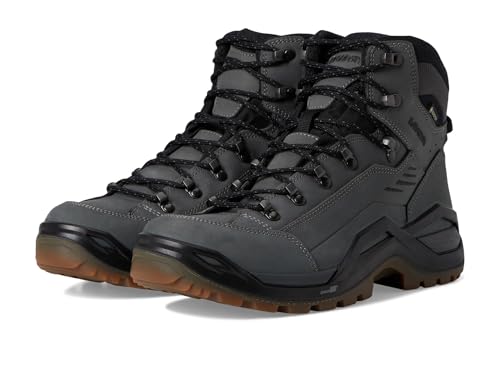
 LOWA Renegade EVO GTX MidGORE-TEX, 3 widths, resolableCheck price on Amazon →
 Hydro Flask Wide Mouth 32ozinsulated, durableCheck price on Amazon →
 Osprey Talon 22ventilated back, pole carryCheck price on Amazon →
 Adventure Medical Kits Ultralight Watertight .7day-hike specific, waterproofCheck price on Amazon →
 Black Diamond Spot 400-Rrechargeable, comfortableCheck price on Amazon →
What to Expect on the Trail
Paynes Prairie Preserve State Park covers 21,000 acres south of Gainesville — a vast, flat expanse of wet prairie, marsh, and open grassland that is unlike anything else in Florida. The landscape looks more like an African savanna than the subtropical peninsula most visitors expect. Wild horses — descendants of Spanish mustangs brought to Florida in the 1500s — graze in herds across the prairie. A small herd of American bison, introduced by the state in 1975, roams the same grassland. Sandhill cranes arrive by the thousands from November through February, their distinctive calls carrying across the open landscape.
La Chua Trail is the access point for all of this. The trail begins at the north entrance off US 441 near Gainesville and crosses the Alachua Sink on a boardwalk before continuing onto the prairie as a packed-dirt footpath. The Alachua Sink is a natural sinkhole that acts as the drain for the prairie’s water — and it is where the alligators gather.
The alligator concentration at the Alachua Sink is genuinely extraordinary. During dry season when the water level drops, the remaining water in the sink attracts alligators from across the prairie. They congregate in densities that visitors find shocking — dozens of alligators visible from the boardwalk, some basking on the banks within feet of the trail, others floating with just their eyes and nostrils above the water surface. The boardwalk has railings, but the proximity is real. This is not a zoo exhibit. These are wild alligators in their natural habitat, and the only barrier between you and them is a wooden railing and the alligators’ general indifference to humans who stay on the trail.
Beyond the sink, the trail continues onto the open prairie to an observation platform. The platform provides elevated views across the grassland where the horses, bison, and cranes are visible depending on season and the animals’ location that day. The prairie is enormous — 21,000 acres of open space — and the wildlife moves freely across it. Some days the bison are near the platform. Some days they are a mile away. Binoculars make a significant difference.
How Hard Is This Trail, Really?
Easy in terms of terrain. The 3.5-mile out-and-back has essentially zero elevation gain — this is a Florida prairie, flat as a table. The boardwalk section is level with railings. The prairie trail is packed dirt and mowed grass. No rocks, no roots, no technical footing of any kind.
The difficulty is environmental. The trail is completely exposed prairie with no shade for the entire route. In summer, the heat and sun are brutal. Florida sun on an open prairie at midday in July can be dangerous — heatstroke is a real risk for hikers who underestimate the exposure. In winter, the conditions are ideal: cool, dry, and comfortable.
Budget 1.5 to 2.5 hours for the round trip, longer if you spend time at the observation platform watching wildlife. Most visitors stop at the Alachua Sink boardwalk for 20 to 30 minutes watching alligators before continuing to the prairie platform.
Best Time to Go
November through February is the premium season by a wide margin. The sandhill cranes are present in flocks of thousands. The weather is cool and comfortable for exposed prairie walking. The alligators are concentrated at the sink as dry season reduces water levels. The bison and horses are active on the cooler grassland. Everything that makes La Chua special peaks during the winter months.
Spring (March through April) is good for birding as migratory species pass through. The prairie begins to green up and the wildflower bloom can be excellent. The alligator concentration begins to disperse as water levels rise.
Summer is for dedicated naturalists only. The heat is oppressive, the humidity is stifling, the mosquitoes are aggressive, and the trail has no shade. If you visit in summer, go at dawn and leave by 9 AM. The wildlife activity drops to near zero during midday heat.
The prairie floods periodically during wet season, closing La Chua Trail entirely. The flooding can last weeks or months depending on rainfall. Call the park at 352-545-6000 or check the Florida State Parks website before making a special trip. Driving an hour to find the trail closed is a common frustration for visitors who do not check ahead.
Before You Go
La Chua Trail is at the north entrance of Paynes Prairie Preserve State Park, accessible from US 441 (SE 15th Street) south of Gainesville. The entrance is about 10 minutes south of the University of Florida campus. Parking at the trailhead is small — maybe 25 cars — and fills on winter weekend mornings during crane season. Arrive before 8 AM on winter weekends.
Entrance fee: $6 per vehicle (up to 8 passengers). Restrooms at the trailhead. The park has a visitor center on the south side (US 441 south entrance) with interpretive exhibits about the prairie’s ecology, history, and the wild horse and bison herds. Worth a visit if you have time.
No dogs allowed on La Chua Trail. This is strictly enforced for wildlife protection. The alligator concentration and ground-nesting birds cannot coexist with dogs, even leashed.
Bring binoculars and a hat. The wildlife viewing is the entire purpose of this trail, and binoculars dramatically improve the experience. The bison and horses can be distant from the observation platform. A spotting scope is not excessive if you have one. Sunscreen is essential — there is no shade. Bring at least 1 liter of water per person, more in warm weather.
The drive from Jacksonville is about 1.5 hours. From Orlando, about 2 hours. From Tampa, about 2.5 hours. Gainesville itself has restaurants, hotels, and the Florida Museum of Natural History on the UF campus, which pairs well with a La Chua Trail visit for a full Gainesville nature day.
Word from the Trail
La Chua Trail delivers a wildlife experience that most East Coast hikers do not believe exists until they see it. Fifty alligators from a boardwalk. Wild horses grazing on a prairie. Bison silhouettes against a winter sunrise. Thousands of sandhill cranes calling across 21,000 acres of open grassland. None of this requires a national park entrance, a backcountry permit, or a difficult hike. It requires a flat 3.5-mile walk on a Florida prairie and the willingness to accept that what you are seeing is real.
The prairie has been this way for thousands of years. William Bartram described it in 1774. The Seminole hunted here. The Spanish introduced the horses that still graze the grassland. The cranes have been coming every winter since before any of them. La Chua Trail walks you into the middle of all of that history and all of that wildlife, and then it walks you back out. The $6 admission fee is the best deal in Florida nature.
Frequently Asked Questions
LOWA Renegade EVO GTX MidGORE-TEX, 3 widths, resolableCheck price on Amazon →Hydro Flask Wide Mouth 32ozinsulated, durableCheck price on Amazon →Osprey Talon 22ventilated back, pole carryCheck price on Amazon →Adventure Medical Kits Ultralight Watertight .7day-hike specific, waterproofCheck price on Amazon →Black Diamond Spot 400-Rrechargeable, comfortableCheck price on Amazon → Patagonia Torrentshell 3L Jacketdurable, trail + everydayCheck price on Amazon →
 Darn Tough Hiker Micro Crew Midweightlifetime warrantyCheck price on Amazon →
 Black Diamond Pursuit Trekking Polescork grip, lightweightCheck price on Amazon →
 Sawyer Squeeze Water Filterultralight, standard threadsCheck price on Amazon →