Winter hiking on the East Coast is a different sport from the same trails in summer. The crowds disappear. The parking lots are empty. The trails are quiet in a way they never are from May through October. And the landscape transforms — frozen waterfalls, ice-glazed ridgelines, snow-covered summits that look nothing like their summer versions.
It also gets dangerous fast. Ice on rock is frictionless. Daylight ends at 4:30 PM. Wind chill above treeline can kill you. The hikers who love winter trails prepare seriously. These are the trails worth preparing for.
What Are the Best Winter Hikes in the Catskills?
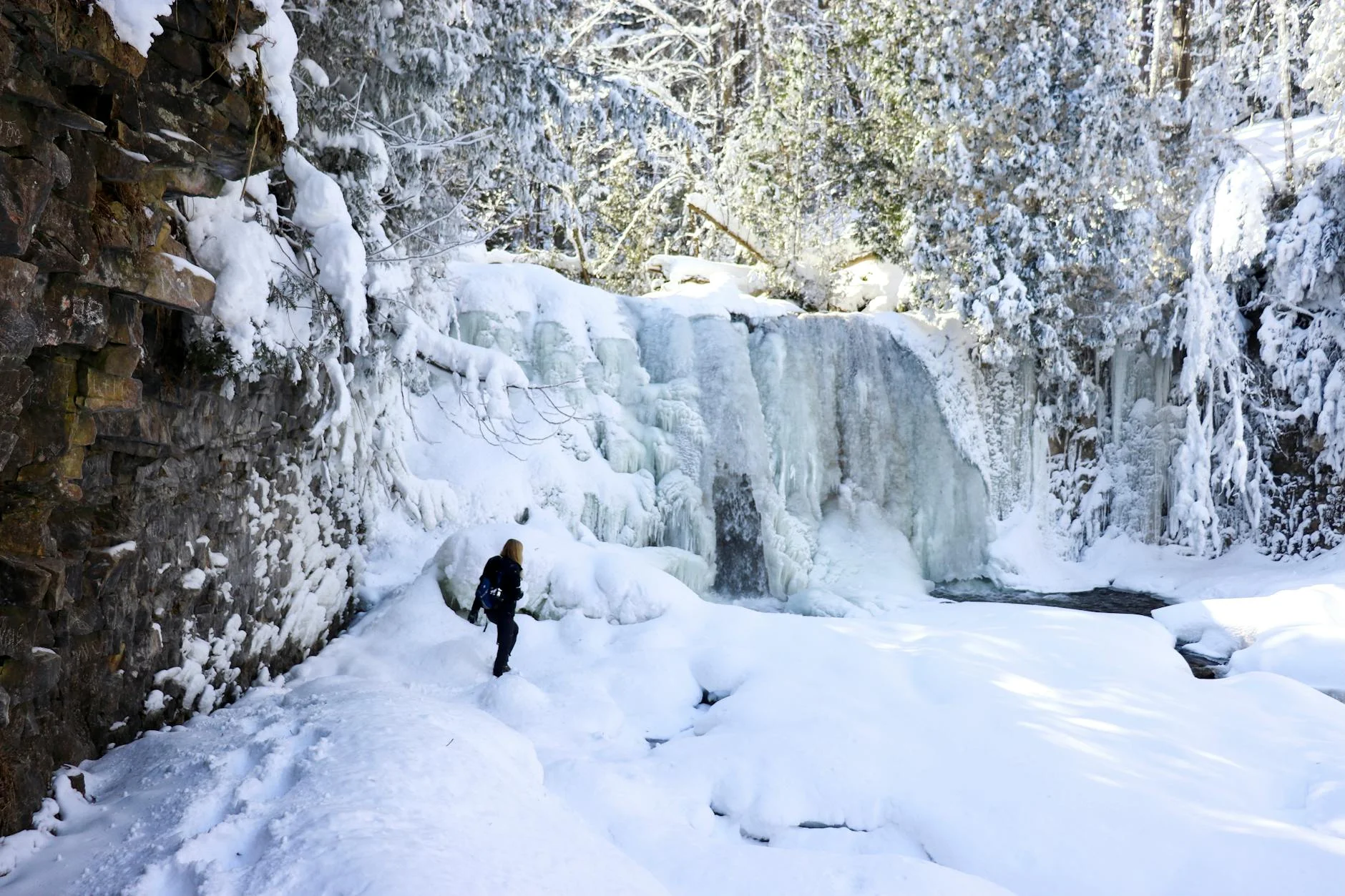
Kaaterskill Falls frozen is one of the most dramatic winter sights on the East Coast. The 260-foot cascade transforms into a massive ice wall — blue-white pillars of frozen water clinging to the rock face. The 1.4-mile trail is steep and icy, requiring microspikes at minimum. Multiple AllTrails reviewers note: “Crampons a must!” and “Don’t forget microspikes — there were many scared hikers slipping down the trail in sneakers.”
Catskill 3500 Club winter peaks — the club requires summiting four peaks in winter (December 21 through March 21) to complete the list. Slide Mountain and Blackhead are the most popular winter objectives. Reviewers report “glare ice, deep snowdrifts, and extreme summit winds” with conditions that “dramatically elevate difficulty.” Snowshoes are necessary for anything above 3,000 feet after a storm.
Giant Ledge (4 miles, moderate) is the best moderate winter Catskills hike. The open ledges catch winter sun and the views of snow-covered ridgelines are spectacular. One reviewer noted: “Recommend going early for the sunrise — was a great view” even in January. Microspikes required; snowshoes after heavy snowfall.
Pro tip: Catskills trails get packed by regular winter hikers, which means snowshoes often aren’t necessary on popular routes like Slide Mountain. But carry them — if you step off the packed trail, you’ll sink to your waist.
Is It Safe to Hike the White Mountains in Winter?
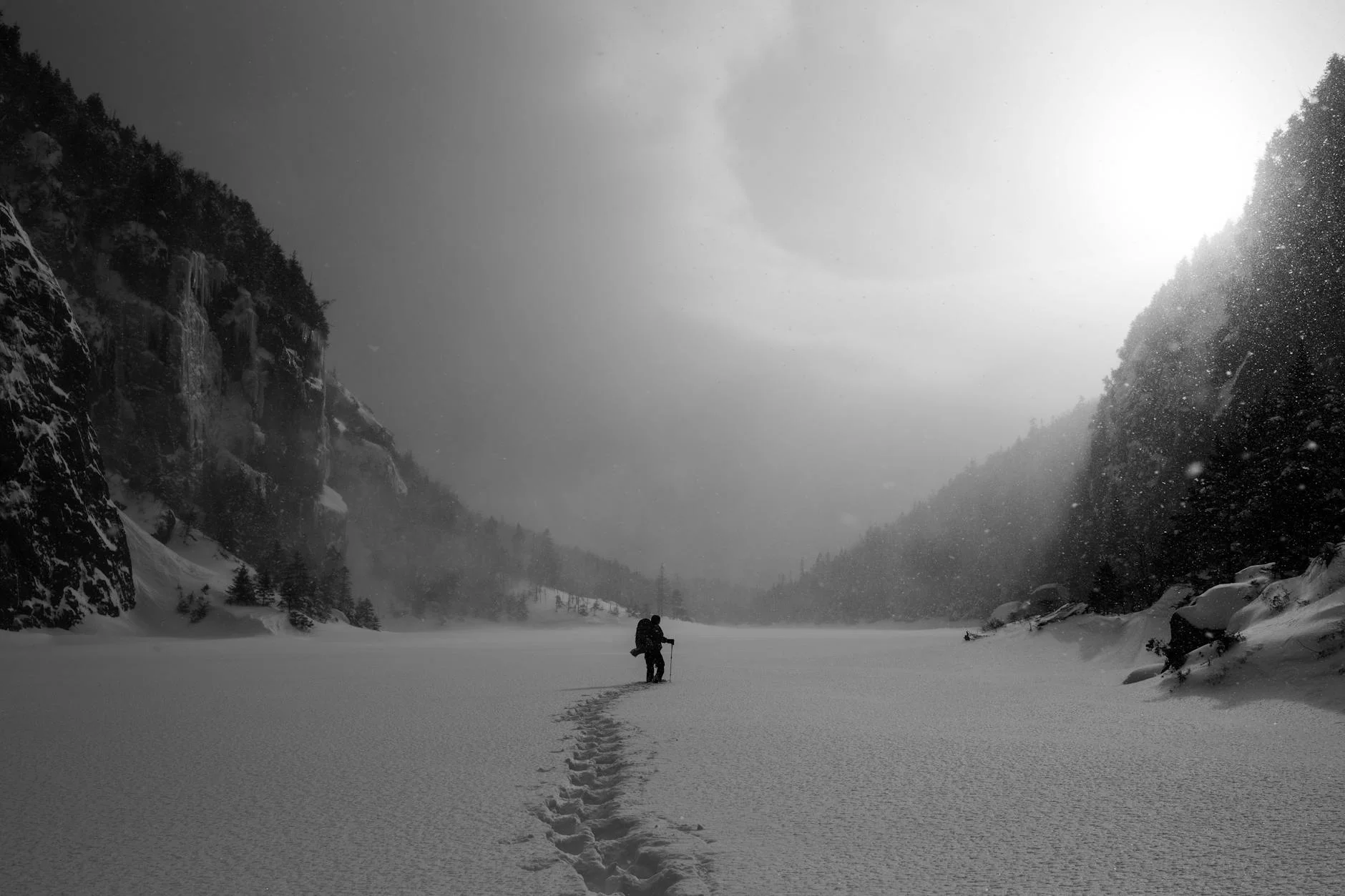
Safe is relative. The White Mountains above treeline in winter are genuine alpine conditions — the same Mount Washington that holds the world record for directly observed wind speed (231 mph). Franconia Ridge in winter requires full crampons, ice axes, and winter mountaineering experience. People die on these ridges in winter.
Below treeline is different. Flume Gorge and the Falling Waters Trail to the first cascade are beautiful winter hikes that don’t require above-treeline exposure. The frozen cascades along the trail are worth the cold.
Cardigan Mountain in New Hampshire (2.9 miles, moderate) is one of the safer winter summits in the Whites — below the extreme wind zone but still above treeline with views. The bald granite summit in snow is beautiful. Microspikes essential; crampons for the steepest upper section in ice.
Pro tip: Check Mount Washington Observatory forecasts before any winter White Mountains hike. Valley weather is irrelevant — summit conditions are often 40-60 degrees colder with 80+ mph winds while the town below is calm and sunny.
Which Adirondack Trails Are Best in Winter?
Cascade Mountain (4.8 miles, moderate-hard in winter) is the most popular winter High Peak. AllTrails reviewers describe the experience: “This was my first time hiking a high peak during the winter. There was a fresh layer of snow which made finding my way somewhat difficult, but I managed.” The packed trail makes snowshoes optional on busy weekends, but microspikes are mandatory.
Hurricane Mountain fire tower (5.7 miles) in winter gives you the High Peaks panorama covered in snow — a completely different visual than summer. The trail is well-trafficked in winter by the fire tower challenge community.
Snowy Mountain (9 miles, hard) lives up to its name in winter. The steepest fire tower hike in the Adirondacks becomes significantly more challenging with ice and snowpack. Only for experienced winter hikers.
Pro tip: Adirondack trailhead parking in winter requires leaving your car on the road shoulder in many locations — the lots aren’t plowed. Back your car in close to the road so you can get out if more snow falls while you’re hiking.
What Winter Hikes Work Near DC and the Mid-Atlantic?
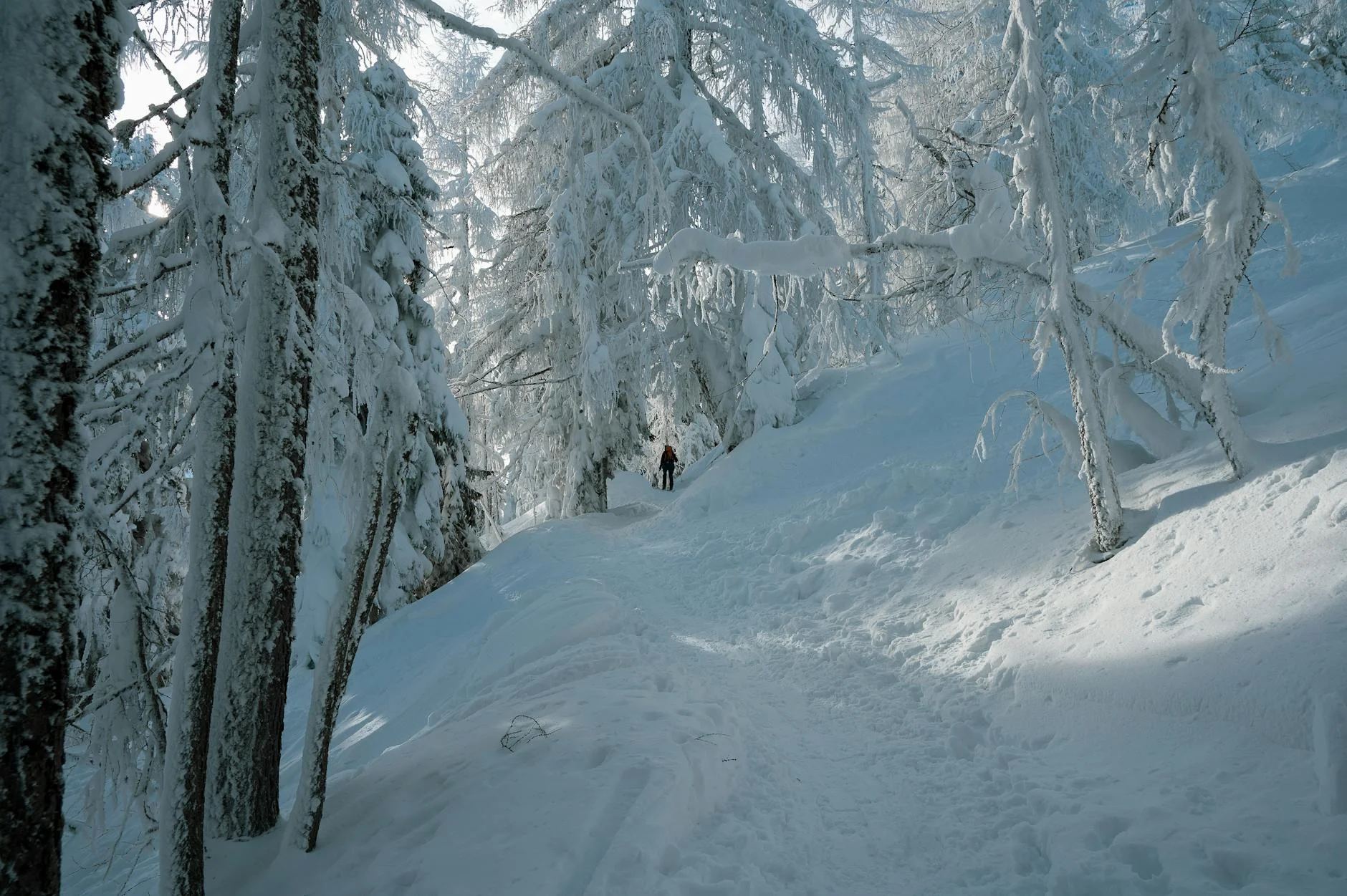
The mid-Atlantic doesn’t get the deep snow of the north, but ice is a constant factor from December through February.
Maryland Heights at Harpers Ferry is excellent in winter — the crowds that pack the overlook in fall are gone. The river confluence view with snow on the mountains is a different kind of beautiful. Ice on the steep upper section requires microspikes.
Billy Goat Trail in winter is quieter and the Potomac at low winter levels reveals rock formations hidden underwater the rest of the year. The boulder scramble on Section A gets icy — microspikes or skip it for Section B.
Shenandoah’s Skyline Drive closes sections for ice and snow, but when it’s open, winter hikes to Hawksbill or Stony Man are spectacular in fresh snow. Far fewer visitors than any other season. The $35 entrance fee still applies.
Mount Tammany at the Delaware Water Gap is a solid winter option from both Philly and NYC. AllTrails reviewers report: “Bring crampons for the trail at this time of season. Would be very nice views at sunrise/sunset” and “did the trail for sunrise and it did not disappoint — ice wasn’t terrible.”
Are There Good Winter Coastal Hikes?
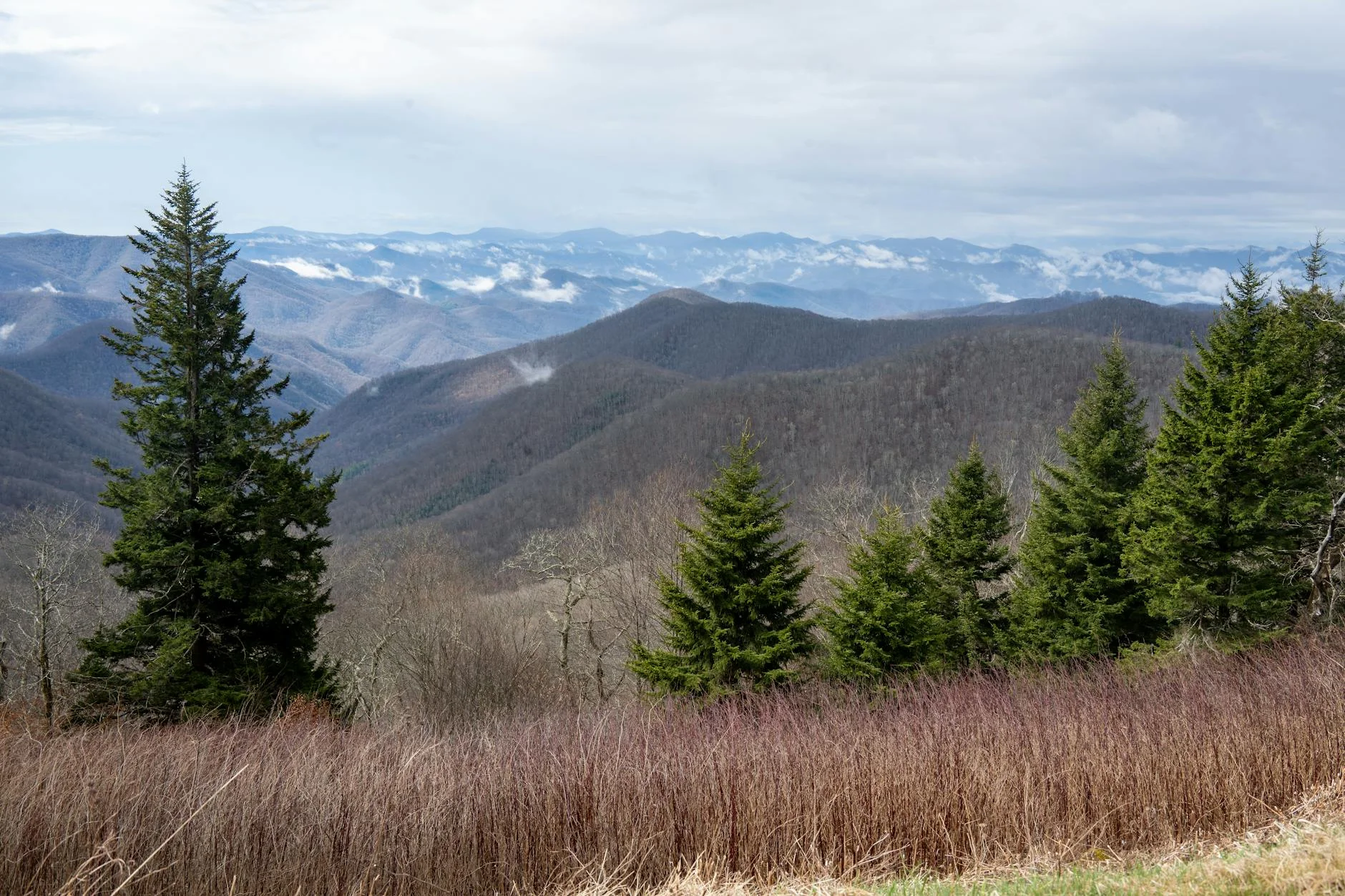
Winter coastal hiking avoids the ice problems entirely and offers a completely different experience from summer beach crowds.
Sandy Hook in New Jersey is free in winter (summer’s $20 fee doesn’t apply) and the empty barrier beach with winter surf is atmospheric. Fort Hancock’s abandoned buildings look even more dramatic with bare trees and grey sky. Excellent winter birding — shorebirds and raptors that aren’t present in summer.
Great Island Trail on Cape Cod in winter is profoundly empty. The 8-mile peninsula walk that’s crowded with summer beachgoers becomes a solo expedition through dunes and frozen marsh. Cold-stunned sea turtles wash up on Cape Cod beaches in late fall — report sightings to NOAA.
Cliff Walk in Newport is quieter in winter but the rocky southern section gets genuinely slippery with ice and sea spray. Stick to the paved northern half or wear microspikes on the rocks.
How Do the Best Winter Hikes Compare?
| Trail | Miles | State | Gear Needed | Best For |
|---|---|---|---|---|
| Sandy Hook | 7.0 | NJ | Warm layers only | Coastal, free in winter, birding |
| Billy Goat Trail | 1.7 | MD | Microspikes | Closest winter scramble to DC |
| Kaaterskill Falls | 1.4 | NY | Microspikes/crampons | Frozen 260-ft ice wall |
| Maryland Heights | 4.0 | WV | Microspikes | River overlook without crowds |
| Giant Ledge | 4.0 | NY | Microspikes + snowshoes | Best moderate Catskills winter |
| Cardigan Mountain | 2.9 | NH | Microspikes/crampons | Safest above-treeline winter |
| Mount Tammany | 4.3 | NJ | Microspikes/crampons | Winter sunrise over the Gap |
| Cascade Mountain | 4.8 | NY | Microspikes + snowshoes | Most popular winter High Peak |
| Slide Mountain | 6.0 | NY | Microspikes + snowshoes | 3500 Club winter peak |
| Hurricane Mtn tower | 5.7 | NY | Microspikes + snowshoes | Snow-covered High Peaks views |
| Franconia Ridge | 8.8 | NH | Crampons + ice axe | Mountaineering, expert only |
What Gear Do I Need for Winter Hiking?
Microspikes are the minimum. Not optional, not “if it looks icy.” Any trail above 1,000 feet from December through March will have ice somewhere. Microspikes ($30-40) strap onto any boot and give you traction on packed ice. They’re the single most important winter hiking purchase.
Snowshoes for anything above 3,000 feet after a storm. If the trail isn’t packed by other hikers, you’ll need snowshoes to stay on top of deep snow. Renting is fine if you’re trying winter hiking for the first time.
Crampons and ice axes for above treeline. Franconia Ridge, the Presidential Range, and the Adirondack High Peaks in winter require full mountaineering traction. This is not optional gear — it’s the difference between walking and falling off a ridge.
Layers, not bulk. A moisture-wicking base layer, insulating mid layer (fleece or puffy), and windproof/waterproof shell. Cotton kills — it absorbs sweat, stays wet, and drops your body temperature. Merino wool or synthetic everything.
Start early, finish early. December daylight ends at 4:30 PM in the Northeast. A 3 PM summit means descending in the dark. Headlamp is mandatory gear, not backup. Plan to be off the trail by 3 PM at the latest.
Tell someone your plan. Winter trail rescues are exponentially harder than summer rescues. Cell service is unreliable. Conditions change fast. Leave your itinerary with someone who will act if you don’t check in. This applies to every trail on this list.
For the same mountains in friendlier months, start with the best hikes on the East Coast — several of this list’s peaks appear there in their summer form.